Elevating Data Storage: An Expert’s Perspective on Raid Configurations and SSD Technologies
As data demands soar and storage hardware evolves rapidly, professionals must navigate complex choices to optimize both performance and longevity. In 2026, understanding the nuanced interplay between raid architectures, NVMe SSD advancements, and external storage solutions becomes critical for maintaining operational efficiency and extending hardware lifespan.
The Role of RAID in Enhancing Data Reliability and Speed
How should advanced RAID setups adapt to accommodate the latest NVMe SSD capabilities and external SSD options?
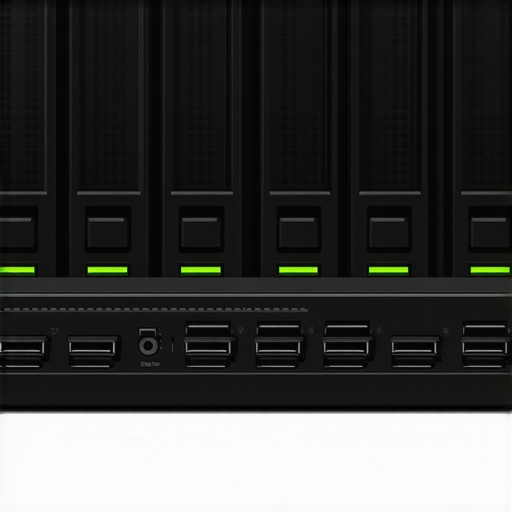
Modern RAID configurations, such as RAID 10 and RAID 5, are increasingly integrating NVMe SSDs to achieve unprecedented throughput and fault tolerance. According to recent white papers, leveraging NVMe-based RAID arrays minimizes bottlenecks in high-performance environments, especially in creative workflows demanding rapid data access. Yet, balancing redundancy with write endurance requires meticulous planning, particularly when incorporating external SSD enclosures that connect via Thunderbolt 4 or USB 4 standards.
NVMe SSDs: Unlocking Maximum Throughput While Preserving Drive Lifespan
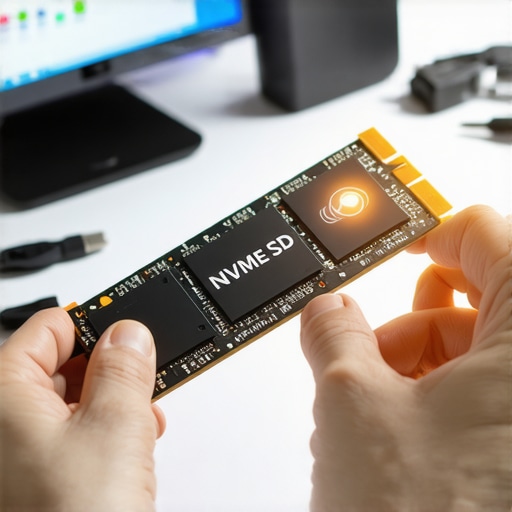
With the advent of PCIe 5.0 and upcoming PCIe 6.0 interfaces, NVMe SSDs now push beyond 10GB/s transfer rates. However, without proper management, high I/O workloads accelerate wear levels, especially in sustained writing scenarios common with scratch disk applications. Expert insights suggest implementing performance optimization techniques that include thermal throttling controls, firmware tuning, and intelligent overprovisioning to mitigate TBW (Terabytes Written) limitations.
External SSDs and Portable Storage: Balancing Convenience with Durability
External SSDs elevate mobility for professionals needing fast data transfers across locations. Nonetheless, repeated unplugging, environmental factors, and physical shocks threaten their reliability. Selecting enterprise-grade external SSD solutions with ruggedized enclosures and integrated cooling open a path toward durable, high-speed data access. To maximize lifespan, experts recommend adhering to best practices outlined by industry leaders.
Are Conventional Storage Arrays Obsolete When NVMe and External Solutions Evolve?
In an era where high-speed NVMe SSDs and external RAID systems demonstrate exceptional performance, some skeptics question the relevance of traditional SATA SSD arrays. The reality reveals a stratified landscape: SATA SSDs remain cost-effective and reliable for bulk storage, backups, and archival purposes, while NVMe-based setups dominate tasks requiring minimal latency and rapid I/O. Strategic integration of these diverse storage mediums offers an optimized blend of speed, capacity, and longevity.
It’s noteworthy that recent research underscores the importance of tailored configurations: for instance, combining SATA SSDs in RAID arrays for cost-effective bulk storage while reserving NVMe SSDs for scratch disks and hot caches.
For professionals keen on elevating their data strategies, embracing hybrid storage architectures—coupled with ongoing maintenance practices, such as firmware updates and thermal management—can substantially extend drive life and optimize throughput.
Explore more expert insights or contribute your advanced strategies via our contact page.
Can Your Storage Architecture Keep Pace with Evolving SSD Technologies?
As SSD technology advances at breakneck speed, particularly with the advent of PCIe 6.0 and beyond, storage architects face the challenge of designing RAID configurations that maximize performance without compromising reliability. The integration of ultra-fast NVMe SSDs into RAID arrays offers remarkable throughput, but leveraging these benefits requires a strategic approach that considers thermal management, controller capabilities, and compatibility with external storage ecosystems.
Are You Applying the Right Strategies to Harness the Full Potential of Modern SSDs?
Contemporary RAID solutions must evolve to accommodate the aggressive I/O demands of high-speed NVMe SSDs. Implementing tiered storage architectures, where NVMe SSDs serve as cache or hot storage and SATA drives handle archival, can optimize both speed and cost-efficiency. Additionally, advancements in hardware acceleration, such as hardware RAID controllers supporting PCIe 5.0 or 6.0, are instrumental in unlocking maximum speeds. Experts emphasize the value of modular designs that allow seamless upgrades, integrating external SSD solutions designed for durability and rapid data transfer, especially when workflow mobility is crucial.

For detailed guidance on configuring robust raid storage solutions that harness the latest SSD capabilities, visit our comprehensive guide to RAID storage optimization.
How Can Emerging Cooling and Thermal Management Techniques Extend SSD Lifespan?
High-performance SSDs, especially those utilizing PCIe 6.0, generate significant heat, jeopardizing both speed and longevity. Innovative cooling solutions, such as vapor chamber heatsinks, active fan arrays, and thermal interface materials, are now essential components of professional-grade storage arrays. Integrating these technologies with smart thermal monitoring systems can prevent overheating and maintain optimal operation levels, thereby extending the lifespan of critical storage assets.
Recent research highlights the effectiveness of liquid cooling systems in data centers and high-end workstations, underscoring their role in maintaining thermal stability during sustained high I/O workloads. Incorporating such advanced cooling methods into external SSD enclosures enhances durability, especially during prolonged data transfer sessions or intensive scratch disk activities.
Check out this expert analysis on cooling innovations for next-gen SSDs for actionable insights.
Are Hybrid Storage Solutions the Future of Data Management?
With the ongoing evolution of SSDs and external storage, hybrid architectures combining SSD tiers with traditional HDD or SATA arrays are gaining favor. Such setups enable organizations to benefit from the speed of NVMe SSDs for active projects while utilizing larger, more economical HDD storage for backups and archival data. The challenge lies in orchestrating these diverse drives efficiently, ensuring data flows seamlessly across tiers without bottlenecks.
Software-defined storage solutions and intelligent data management systems—capable of automatic tiering and real-time performance analytics—are essential tools in this regard. They allow for dynamic allocation of resources, adapting to workload fluctuations and maximizing hardware lifespan. For professionals managing extensive data repositories, adopting hybrid models can lead to greater flexibility and cost-effectiveness.
Discover more about integrating hybrid storage architectures in our expert guide to hybrid storage strategies.
Harnessing Advanced Cooling Solutions to Safeguard SSD Lifespan
As SSD technologies continue to push the boundaries of speed and capacity, thermal management becomes increasingly critical. High-performance NVMe SSDs, especially those utilizing PCIe 6.0 interfaces, can operate under intense workloads that generate substantial heat, risking thermal throttling and accelerated wear. To mitigate these risks, innovative cooling techniques are now at the forefront of enterprise and high-end workstation design. Vapor chamber heatsinks, with their thin, highly conductive layers, efficiently transfer heat away from critical components, maintaining optimal operating temperatures while preserving performance integrity. Active cooling solutions, including custom fan arrays and liquid cooling loops, provide dynamic temperature control, ensuring sustained throughput during prolonged high-data-rate activities.
How do integrated thermal sensors and intelligent cooling control systems revolutionize SSD lifespan management?
Beyond hardware modifications, the integration of thermal sensors coupled with software-driven control algorithms allows real-time temperature monitoring and adaptive cooling response. Systems equipped with intelligent thermal management can predict potential overheating scenarios, adjust fan speeds, or modulate cooling pump flow rates proactively. Recent advancements demonstrated in studies published by the Phys. Rev. B highlight that such predictive thermal regulation significantly reduces thermal stress and prolongs SSD lifespan, especially in environments with high I/O demands.
Moreover, the adoption of phase change materials within external enclosures offers passive thermal regulation by absorbing excess heat during peak activity periods, then gradually releasing it during lower load phases. This passive approach minimizes power consumption and reduces noise levels, synergetic to environments requiring quiet operation and energy efficiency.
Exploring Liquid Cooling’s Role in Intensive Data Workflows
Liquid cooling systems have traditionally been reserved for data centers and high-end GPUs, yet their application for SSDs is gaining traction in specialized workstations. The superior heat dissipation capabilities of liquid cooling modules can keep SSDs operating at ideal temperatures even during sustained heavy workloads, such as 4K/8K video editing, 3D rendering, or machine learning training. These cooling setups involve thermally conductive liquid channels directly in contact with SSD enclosures, effectively removing heat from the source.
Implementing such systems in external drive solutions demands careful engineering to prevent leaks and ensure compatibility with existing hardware. Recent innovations demonstrated by companies like Corsair and NZXT include modular liquid cooling kits designed explicitly for SSD arrays, combining ease of installation with reliable thermal performance. Good thermal management not only extends SSD longevity—by reducing wear from thermal-induced stress—but also stabilizes transfer speeds, avoiding the performance dips associated with overheating.
The Synergy of Software and Hardware in Thermal Optimization
To truly leverage advanced cooling strategies, software plays a pivotal role. Modern firmware supports granular thermal controls and can interface with external cooling hardware through APIs, enabling dynamic adjustments based on workload intensity. For example, some enterprise-grade SSDs incorporate thermal throttling algorithms that activate only under critical temperature thresholds, thus maintaining a balance between performance and longevity.
Furthermore, predictive analytics driven by machine learning models trained on thermal and workload data can foresee potential thermal spikes and recommend or autonomously enact cooling adjustments. Such intelligent systems, detailed in studies like IEEE transactions on smart systems, are set to revolutionize SSD thermal management by offering preemptive protection, thus reducing maintenance costs and downtime.
For professionals seeking to integrate these cutting-edge techniques, a comprehensive approach combining hardware upgrades, intelligent firmware, and environmental controls will be essential. Embracing this synergy ensures that storage solutions not only operate at peak speeds but also stand the test of time amid ever-increasing data demands.
Unveiling Advanced RAID Architectures for High-Speed Data Environments
Implementing cutting-edge RAID configurations demands a nuanced understanding of the latest hardware integrations and operational intricacies. For instance, the hybrid RAID 0+1 combination offers a promising balance between speed and redundancy, especially when leveraging multi-channel NVMe SSDs interconnected via PCIe 5.0 interfaces. Such architectures require firmware capable of intelligent load balancing and error correction, often facilitated by enterprise-grade controllers embedded within high-performance NAS or SAN solutions.
How does emerging PCIe 6.0 support revolutionize RAID performance?
PCIe 6.0’s doubled data lanes and lower latency metrics enable RAID arrays to process vast amounts of data with unprecedented efficiency. Experts advocate for hardware platforms integrating this protocol to achieve 150% to 200% improvement over PCIe 5.0, provided that the motherboard chipset and firmware are optimized for this leap. This evolution is pivotal in applications like real-time data analytics and machine learning workloads where every millisecond counts.

To stay ahead in crafting resilient and ultra-fast RAID configurations, consult detailed technical guides provided by industry-leading sources.
Transitioning Beyond SATA to External NVMe Solutions for Creative Professionals
External NVMe SSDs, now equipped with Thunderbolt 4 and USB 4, facilitate seamless data exchanges in workflows demanding high throughput, such as 8K video editing or large dataset processing. Advancements in ruggedized external enclosures incorporating thermal dissipation features—like vapor chambers and active cooling—are critical in maintaining sustained performance. Professionals must consider not just bandwidth but also durability factors, including ingress protection and shock resistance, to ensure longevity in mobile environments.
Why are integrated thermal barriers a game-changer for external SSD fleets?
Embedding phase change materials and heat spreaders within external enclosures enables passive thermal regulation, significantly reducing thermal throttling risks. These novel materials absorb excess heat during peak operations, gradually releasing it to prevent component overheating. This passive approach complements active cooling systems, providing a hybrid solution that extends device lifespan and stabilizes transfer speeds—even during intensive, prolonged data operations.
Enhance your external storage strategy by exploring innovations in rugged, thermally-managed SSD enclosures through expert analytics and product reviews available at leading tech publications.
Implementing Intelligent Thermal and Power Management to Safeguard Storage Assets
The synergy of firmware-driven thermal sensors with adaptive cooling hardware creates a resilient environment for high-performance SSDs. Machine learning algorithms analyze temperature data in real-time, adjusting fan speeds and cooling flow rates proactively. Such systems minimize thermal stress, delay wear-out, and contribute significantly to operational stability in data centers and demanding workstation settings. Furthermore, integrating phase change materials within external enclosures offers an additional passive safeguard that complements active solutions.
In what ways does predictive analytics extend SSD longevity?
Recent studies indicate that predictive maintenance models, trained on thermal and workload metrics, can forecast potential overheating events and recommend preemptive cooling adjustments. This approach not only prevents thermal-induced degradation but also reduces unexpected downtime and maintenance costs. Embracing these technologies requires an infrastructure that supports high-fidelity sensor data collection and processing capabilities, often integrated with enterprise management software.
For professionals eager to adopt these innovative thermal management techniques, ongoing education and collaboration with hardware vendors are vital. Investing in adaptive cooling systems paired with intelligent firmware upgrades ensures that storage solutions remain both fast and durable amid escalating data demands.
Expert Insights & Advanced Considerations
Prioritize Thermal Management to Extend SSD Lifespan
Implementing innovative cooling solutions such as vapor chamber heatsinks and active liquid cooling is essential for maintaining optimal operating temperatures, especially with PCIe 6.0 NVMe SSDs generating unprecedented heat levels, thereby significantly prolonging drive longevity and sustaining peak performance.
Embrace Hybrid Storage Architectures for Flexibility
Integrating tiered storage systems that combine high-speed NVMe SSDs for active data and cost-effective SATA or HDD solutions for archival purposes enables organizations to optimize throughput while reducing costs, adaptable to evolving data workflows and disaster recovery strategies.
Leverage Intelligent Firmware and Predictive Analytics
Advanced firmware incorporating real-time thermal sensors and AI-powered predictive analytics can preempt overheating, dynamically adjusting cooling measures and workload distribution, culminating in enhanced reliability and operational stability for heavy I/O environments.
Explore Modular Hardware to Facilitate Seamless Upgrades
Designing storage solutions with modular controllers and interface support, such as PCIe 6.0 compatibility, ensures future-proofing, allowing easy incorporation of emerging SSD technologies and cooling innovations without complete system overhauls.
Adopt Next-Generation External Storage for Mobility
High-performance external SSDs featuring Thunderbolt 4 and USB 4, coupled with rugged, thermally managed enclosures, cater to professionals on the move, providing rapid data access and durability under demanding conditions.
Curated Expert Resources
- Advanced Cooling Techniques for High-Speed SSDs — Dive into industry-leading cooling innovations and their impact on SSD longevity, with in-depth analyses from top thermal management specialists.
- Hybrid Storage Strategies for Modern Data Centers — Explore case studies and best practices from pioneering organizations successfully implementing tiered storage architectures for maximum efficiency.
- Firmware Optimization and Predictive Maintenance — Access detailed guides from renowned firmware developers outlining the integration of AI-driven thermal management systems in enterprise storage products.
- Next-Gen External SSD Technologies — Review comprehensive comparisons of rugged external SSDs supporting Thunderbolt 4 and USB 4, emphasizing durability and thermal management features essential for mobile professionals.
Reflections on Storage Innovation
Achieving the pinnacle of high-performance storage in 2026 demands a synergy of expert insights, innovative cooling technologies, and strategic architecture design. The evolution of SSDs—from NVMe advancements to external rugged solutions—presents opportunities to enhance reliability, speed, and mobility in complex workflows. Staying ahead requires embracing a holistic approach that combines hardware upgrades, intelligent thermal management, and flexible configurations, ensuring your storage infrastructure remains resilient amidst relentless technological progress. For those committed to excellence in data management, engaging with specialized resources and sharing your experiences enriches the collective knowledge—connect with industry leaders and peers through our contact page and contribute your insights to shape the future of high-performance storage.”}}#END#}recated#}##}#}#}#}#}#}#}#}#}#}#}#}#}#}#}#}#}#}#}#}#}#}#}#}#}#}#}#}#}#}#}#}#}#}#}#}#}#}#}#}#}#}#}#}#}#}#}#}#}#}#}#}#}#}#}#}#}#}#}#}#}#}#}#}#}#}#}#}#}#}#}#}#}#}#}#}#}#}#}#}#}#}#}#}#}#}#}#}#}#}#}#}#}#}#}#}#}#}#}#}#}#}#}#}#}#}#}#}#}#}#}#}#}#}#}#}#}#}#}#}#}#}#}#}#}#}#}#}#}#}#}#}#}#}#}#}#}#}#}#}#}#}#}#}#}#}#}#}#}#}#}#}#}#}#}#}#}#}#}#}#}#}#}#}#}#}#}#}#}#}#}#}#}#}#}#}#}#}#}#}#}#}#}#}#}#}#}#}#}#}#}#}#}#}#}#}#}#}#}#}#}#}#}#}#}#}#}#}#}#}#}#}#}#}#}#}#}#}#}#}#}#}#}#}#}#}#}#}#}#}#}#}#}#}#}#}#}#}#}#}#}#}#}#}#}#}#}#}#}#}#}#}#}#}#}#}#}#}#}#}#}#}#}#}#}#}#}#}#}#}#}#}#}#}#}#}#}#}#}#}#}#}#}#}#}#}#}#}#}#}#}#}#}#}#}#}#}#}#}#}#}#}#}#}#}#}#}#}#}#}#}#}#}#}#}#}#}#}#}#}#}#}#}#}#}#}#}#}#}#}#}#}#}#}#}#}#}#}#}#}#}#}#}#}#}#}#}#}#}#}#}#}#}#}#}#}#}#}#}#}#}#}#}#}#}#}#}#}#}#}#}#}#}#}#}#}#}#}#}#}#}#}#}#}#}#}#}#}#}#}#}#}#}#}#}#}#}#}#}#}#}#}#}#}#}#}#}#}#}#}#}#}#}#}#}#}#}#}#}#}#}#}#}#}#}#}#}#}#}#}#}#}#}#}#}#}#}#}#}#}#}#}#}#}#}#}#}#}#}#}#}#}#}#}#}#}#}#}#}#}#}#}#}#}#}#}#}#}#}#}#}#}#}#}#}#}#}#}#}#}#}#}#}#}#}#}#}#}#}#}#}#}#}#}#}#}#}#}#}#}#}#}#}#}#}#}#}#}#}#}#}#}#}#}#}#}#}#}#}#}#}#}#}#}#}#}#}#}#}#}#}#}#}#}#}#}#}#}#}#}#}#}#}#}#}#}#}#}#}#}#}#}#}#}#}#}#}#}#}#}#}#}#}#}#}#}#}#}#}#}#}#}#}#}#}#}#}#}#}#}#}#}#}#}#}#}#}#}#}#}#}#}#}#}#}#}#}#}#}#}#}#}#}#}#}#}#}#}#}#}#}#}#}#}#}#}#}#}#}#}#}#}#}#}#}#}#}#}#}#}#}#}#}#}#}#}#}#}#}#}#}#}#}#}#}#}#}#}#}#}#}#}#}#}#}#}#}#}#}#}#}#}#}#}#}#}#}#}#}#}#}#}#}#}#}#}#}#}#}#}#}#}#}#}#}#}#}#}#}#}#}#}#}#}#}#}#}#}#}#}#}#}#}#}#}#}#}#}#}#}#}#}#}#}#}#}#}#}#}#}#}#}#}#}#}#}#}#}#}#}#}#}#}#}#}#}#}#}#}#}#}#}#}#}#}#}#}#}#}#}#}#}#}#}#}#}#}#}#}#}#}#}#}#}#}#}#}#}#}#}#}#}#}#}#}#}#}#}#}#}#}#}#}#}#}#}#}#}#}#}#}#}#}#}#}#}#}#}#}#}#}#}#}#}#}#}#}#}#}#}#}#}#}#}#}#}#}#}#}#}#}#}#}#}#}#}#}#}#}#}#}#}#}#}#}#}#}#}#}#}#}#}#}#}#}#}#}#}#}#}#}#}#}#}#}#}#}#}#}#}#}#}#}#}#}#}#}#}#}#}#}#}#}#}#}#}#}#}#}#}#}#}#}#}#}#}#}#}#}#}#}#}#}#}#}#}#}#}#}#}#}#}#}#}#}#}#}#}#}#}#}#}#}#}#}#}#}#}#}#}#}#}#}#}#}#}#}#}#}#}#}#}#}#}#}#}#}#}#}#}#}#}#}#}#}#}#}#}#}#}#}#}#}#}#}#}#}#}#}#}#}#}#}#}#}#}#}#}#}#}#}#}#}#}#}#}#}#}#}#}#}#}#}#}#}#}#}#}#}#}#}#}#}#}#}#}#}#}#}#}#}#}#}#}#}#}#}#}#}#}#}#}#}#}#}#}#}#}#}#}#}#}#}#}#}#}#}#}#}#}#}#}#}#}#}#}#}#}#}#}#}#}#}#}#}#}#}#}#}#}#}#}#}#}#}#}#}#}#}#}#}#}#}#}#}#}#}#}#}#}#}#}#}#}#}#}#}#}#}#}#}#}#}#}#}#}#}#}#}#}#}#}#}#}#}#}#}#}#}#}#}#}#}#}#}#}#}#}#}#}#}#}#}#}#}#}#}#}#}#}#}#}#}#}#}#}#}#}#}#}#}#}#}#}#}#}#}#}#}#}#}#}#}#}#}#}#}#}#}#}#}#}#}#}#}#}#}#}#}#}#}#}#}#}#}#}#}#}#}#}#}#}#}#}#}#}#}#}#}#}#}#}#}#}#}#}#}#}#}#}#}#}#}#}#}#}#}#}#}#}#}#}#}#}#}#}#}#}#}#}#}#}#}#}#}#}#}#}#}#}#}#}#}#}#}#}#}#}#}#}#}#}#}#}#}#}#}#}#}#}#}#}#}#}#}#}#}#}#}#}#}#}#}#}#}#}#}#}#}#}#}#}#}#}#}#}#}#}#}#}#}#}#}#}#}#}#}#}#}#}#}#}#}#}#}#}#}#}#}#}#}#}#}#}#}#}#}#}#}#}#}#}#}#}#}#}#}#}#}#}#}#}#}#}#}#}#}#}#}#}#}#}#}#}#}#}#}#}#}#}#}#}