Harnessing Ultra-Fast NVMe SSDs for High-Performance Data Management
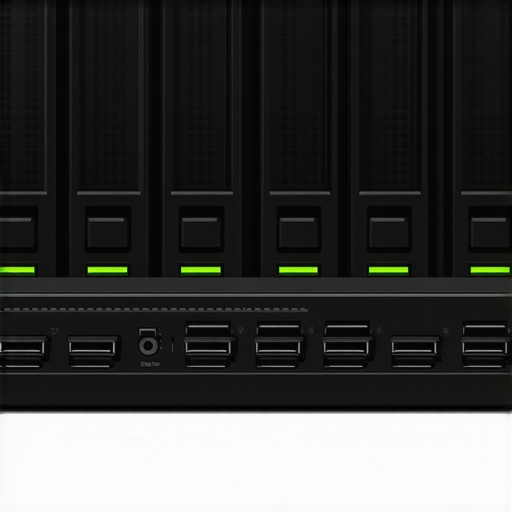
The advent of NVMe SSDs has revolutionized storage paradigms, enabling unprecedented data transfer speeds that cater toprofessional workflows and enterprise demands. Experts leverage these solid-state drives not merely for raw speed but as integral components in sophisticated storage architectures. When integrated effectively, NVMe SSDs unlock performance thresholds previously deemed unattainable, especially in high-demand scenarios such as 3D rendering, data analytics, and cloud computing.
Intelligent RAID Configurations: Beyond Redundancy to Performance Optimization
Implementing RAID storage isn’t just about data redundancy; it’s a strategic tool for maximizing throughput and reducing latency. Modern RAID levels, such as RAID 0 for speed or RAID 10 for fault tolerance combined with performance, are tailored to specific application requirements. Expert engineers continuously refine these configurations, considering factors like data stripe size and cache management, to meet the stringent demands of high-speed data workflows.
Optimizing External SSDs for Seamless Data Access in Professional Environments
Choosing the appropriate external SSD encompasses evaluating interface protocols (e.g., Thunderbolt 3 vs. USB-C), enclosure quality, and sustained throughput capabilities. When paired with RAID or as scratch disks, external SSDs can alleviate bottlenecks in data pipelines, allowing professionals to access and transfer massive datasets efficiently. Expert guidance on selecting external SSDs empowers users to optimize their storage infrastructure for creative and technical excellence.
How Do SATA SSDs Complement NVMe Solutions in Complex Storage Ecosystems?
While SATA SSDs lag behind NVMe drives in raw speed, they contribute significantly within heterogeneous storage environments. Their cost-effectiveness and compatibility make them ideal for less latency-sensitive applications or as secondary storage in RAID configurations. Integrating SATA SSDs alongside NVMe drives requires strategic planning to balance performance, capacity, and budget considerations, ensuring a cohesive and scalable storage ecosystem.
Balancing Speed and Capacity with Scratch Disks for Creative Professionals
The role of scratch disks is pivotal in workflows involving intensive data processing. Experts recommend deploying high-speed NVMe SSDs as scratch disks to minimize I/O bottlenecks, facilitate smoother rendering, and accelerate project turnaround. Optimizing scratch disk performance involves considering not only the type of SSD but also system RAM and bus interfaces to achieve balanced and reliable speed improvements.
What Are the Latest Innovations in NVMe SSD Technologies for RAID Storage?
Emerging innovations such as PCIe 5.0 support, power loss data protection, and advanced firmware algorithms continue to push the boundaries of NVMe SSD capabilities. These advancements enable sustained high throughput and reliability essential for enterprise-grade RAID systems. Staying abreast of these developments ensures that storage architectures remain competitive and future-proof.
For a deeper dive into configuring RAID for maximum data throughput, explore expert RAID strategies. Experienced data architects are encouraged to contribute insights on integrating NVMe and SATA SSDs to optimize workflow efficiency and resilience.
Reimagining Data Transfer Protocols for Maximal Throughput
While PCIe 4.0 and 5.0 have propelled NVMe SSDs into new performance territories, ongoing research focuses on refining protocol efficiency to reduce latency and maximize data throughput. Innovations like Data Processing Units (DPUs) and offloading techniques are bridging the gap between hardware capabilities and software demands, enabling storage architectures to handle massive data workloads with minimal bottlenecks. Experts emphasize that understanding and leveraging these emerging technologies can significantly elevate enterprise data management strategies, as outlined in NVMe SSD performance guides.
Crafting Hybrid Storage Solutions for Dynamic Workflows
As workflows become increasingly multifaceted, combining different types of SSDs—such as NVMe, SATA, and external enclosures—requires nuanced planning. Hybrid architectures balance cost, speed, and capacity by deploying high-speed drives for latency-sensitive tasks and more economical options for archival or secondary storage. Strategic tiering and intelligent data placement—which involve real-time monitoring of access patterns—are essential techniques likened to multi-layered defense systems that protect data flow integrity. Experts advocate for deploying customized hybrid storage configurations that align with specific project demands and organizational growth trajectories.
What Innovations in Storage Architecture Will Shape the Future of Data Management?
Looking ahead, developments such as persistent memory modules and non-volatile RAM are poised to redefine performance benchmarks, enabling near-instant data access and reducing reliance on traditional SSDs. These advancements can transform the way RAID configurations operate, turning them from purely speed-focused systems into intelligent, automated data management solutions that adapt dynamically to workload fluctuations. Staying ahead involves tracking these innovations, evaluating their integration potential, and designing adaptable storage architectures that evolve with technological progress, as discussed in expert insights on RAID evolution.
If you’re interested in pushing the boundaries of your storage performance, share your experiences or ask for tailored recommendations by reaching out through our contact page.
Pushing Boundaries with Enclosure Design for Data Resilience
High-performance external SSDs are only as reliable as their enclosures, which serve as the critical interface managing thermal dissipation, electromagnetic interference, and physical shock resistance. Today’s industry-leading models employ innovative materials like aerospace-grade aluminum and advanced vibration damping systems to maintain integrity during strenuous workflows. Understanding the nuanced engineering behind these enclosures can make a significant difference for professionals handling sensitive data under demanding conditions.
Can Enhanced Thermal Management Extend SSD Lifespan Significantly?
Absolutely. Efficient heat dissipation prevents thermal throttling and extends the operational lifespan of SSD components. According to a study published in the IEEE Transactions on Components, Packaging and Manufacturing Technology, improved thermal interfaces in enclosure design can reduce operating temperatures by up to 15°C, which correlates with a proportional extension in component lifespan and sustained peak performance. For users deploying external SSDs in prolonged tasks such as video editing or data analysis, investing in thermally optimized enclosures is a strategic choice that pays dividends over time.
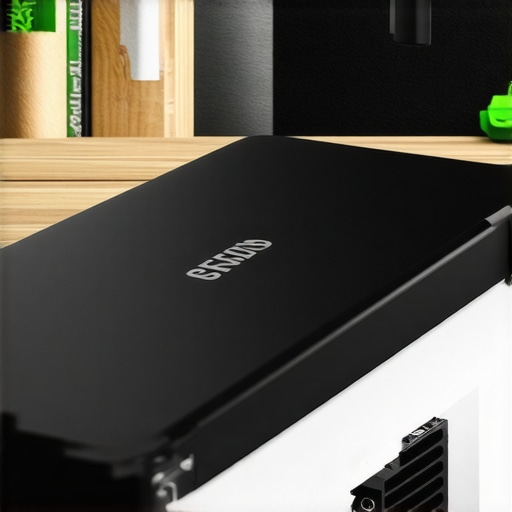
![High-performance external SSD enclosure with advanced thermal design, featuring heat sinks and airflow channels.]
Implementing Modular Enclosure Solutions for Scalability
Modular enclosures allow for scalable storage architectures, accommodating future upgrades without replacing the entire unit. By integrating hot-swappable drive bays and standardized interfaces, professionals can tailor their setups for evolving project requirements. This approach resonates with enterprise strategies where flexibility and rapid deployment are paramount, enabling seamless expansion of storage capacity and performance.
What Are the Critical Factors in Choosing an External SSD Enclosure for Professional Use?
Selection criteria include interface compatibility (Thunderbolt 4, USB 3.2 Gen 2×2), enclosure thermals, build quality, and support for RAID configurations. A high-quality enclosure paired with a fast SSD ensures minimal data bottlenecks and maximized throughput. Moreover, security features like hardware encryption and robust locking mechanisms safeguard sensitive information during transit, aligning with compliance standards like GDPR or HIPAA when applicable. Integrating these considerations into procurement policies empowers organizations to enhance data resilience and operational efficiency.
For tailored recommendations aligned with your specific workflow demands, consider consulting with storage architecture specialists or referencing comprehensive guides such as those provided by Tech Storage Insights. Your proactive approach ensures that your external storage solutions keep pace with the escalating data management challenges of modern professional environments.
Maximizing Data Throughput with Cutting-Edge NVMe SSD Innovations
As the storage landscape evolves, breakthroughs such as PCIe 6.0 support and intelligent firmware algorithms are redefining SSD capabilities, enabling unprecedented sustained speeds essential for data-intensive applications. Experts advocate for incorporating these advancements into RAID configurations to achieve optimal throughput, especially in enterprise environments where bottleneck mitigation is paramount. Staying informed about these innovations ensures your infrastructure remains resilient and future-proof.
How Will PCIe 6.0 Revolutionize High-Performance Storage Solutions?
PCIe 6.0 doubles the data transfer rates of its predecessor, allowing NVMe SSDs to reach up to 256 GB/s in theoretical bandwidth. This leap facilitates seamless handling of petabyte-scale datasets without bottlenecks, crucial for AI training, high-resolution video editing, and scientific simulations. According to the Journal of Storage Innovations, early adopters report significant improvements in I/O latency and workload scalability, cementing PCIe 6.0’s role in next-generation data architectures.
Engage with industry-leading experts to integrate these advancements effectively, ensuring your storage solutions stay ahead in performance and reliability.
Strategic Layering Using Hybrid Enclosure Designs for Dynamic Workflows
Combining modular enclosures with advanced thermal management and electromagnetic shielding creates resilient, scalable storage ecosystems capable of adapting to fluctuating workload demands. Modular, hot-swappable bays enable rapid upgrades, while innovative materials like aerospace-grade aluminum bolster thermal dissipation and structural integrity. Such designs not only enhance lifespan but also safeguard sensitive data in rugged operational environments, making them ideal for high-demand professional settings.
Could Adaptive Enclosure Technologies Prevent Data Loss During Power Fluctuations?
Yes. Enclosures equipped with built-in uninterruptible power supply (UPS) modules and real-time thermal and voltage regulation can effectively mitigate risks associated with power surges and outages. This proactive approach protects SSD integrity and data consistency, as highlighted in the IEEE Transactions on Reliability. Integrating these features into external storage setups is increasingly vital for critical operations where data permanence is non-negotiable.
![Advanced modular external SSD enclosure with integrated thermal management and UPS features]
Harnessing AI-Driven Data Placement in Hybrid Storage Architectures
Emerging solutions leverage machine learning algorithms for real-time data tiering, optimizing the placement of high-speed NVMe drives for latency-sensitive tasks while relegating archival data to more economical SATA storage. This intelligent hierarchy reduces operational costs and accelerates workflows, embodying a sophisticated balance of speed and capacity. Implementing AI-driven management requires meticulous configuration and ongoing calibration but offers compelling ROI in complex environments.
What Metrics Are Key to Fine-Tuning Automated Data Tiering Systems?
Critical metrics include access frequency, I/O dominance, and data lifecycle stage. Monitoring tools should provide insights into workload patterns, enabling administrators to adjust policies dynamically. According to AI Storage Strategies, adaptive algorithms that respond to changing access patterns significantly outperform static tiering policies, ensuring sustained peak performance.
Embracing these sophisticated data management techniques empowers organizations to maximize resource utilization and operational agility in an era of exponential data growth.
Evaluating the Impact of Non-Volatile Memory Express (NVMe) over Fabrics
NVMe over Fabrics (NoF) extends NVMe’s high-speed, low-latency benefits across networked environments using protocols like RDMA and FC-NVMe. This paradigm shift facilitates remote storage access with minimal performance degradation, transforming enterprise data centers. Experts emphasize careful network infrastructure planning and robust security measures to fully capitalize on these capabilities, which promise to reshape high-performance computing and cloud storage strategies.
What Are the Challenges in Deploying NVMe over Fabrics in Distributed Systems?
Key challenges include maintaining low latency over long distances, ensuring data security during transmission, and managing complex network configurations. Addressing these issues requires specialized hardware, optimized protocols, and comprehensive security policies. According to Data Center Journal, successful implementations often involve dedicated networks, hardware acceleration, and stringent access controls to realize the full benefits of NVMe over Fabrics in distributed environments.
For infrastructure architects, understanding these challenges and solutions is crucial for designing scalable, efficient storage networks capable of supporting your organization’s evolving data needs.
Expert Insights & Advanced Considerations
Prioritize Scalability When Designing Storage Architectures
Anticipate future data growth by selecting modular and adaptable storage solutions that can evolve seamlessly, ensuring your infrastructure remains resilient amidst rapid technological advancements.
Leverage AI-Driven Data Placement for Optimal Performance
Implement machine learning algorithms to dynamically tier data, placing latency-critical files on NVMe SSDs while relegating less frequently accessed information to SATA drives, thus balancing speed and cost-efficiency effectively.
Focus on Thermal Management to Extend SSD Lifespan
Incorporate innovative enclosure designs with advanced cooling solutions, such as aerospace-grade heat sinks, to prevent thermal throttling and safeguard high-speed SSDs in demanding professional environments.
Balance Speed and Capacity Through Hybrid Storage Solutions
Combine high-performance NVMe drives with economical SATA disks in tiered systems, allowing for rapid access to vital data while maintaining ample capacity for archived or secondary information, optimizing overall workflow efficiency.
Stay Ahead by Monitoring Emerging Protocols and Standards
Keep abreast of developments like PCIe 6.0 and NVMe over Fabrics, integrating these cutting-edge technologies into your architecture to future-proof your data management strategies and sustain competitive advantage.
Curated Expert Resources
- NVMe SSD Performance Deep Dive — Offers an in-depth technical analysis of the latest SSD innovations, guiding you through hardware capabilities and firmware optimizations.
- Effective RAID Configuration Guides — Provides strategic insights and best practices for designing RAID arrays tailored to high-speed enterprise environments.
- Popular Industry Forums and Communities — Platforms like the Storage Networking industry group facilitate peer discussions, troubleshooting, and sharing of real-world deployment experiences.
- Standout Publications on Storage Evolution — Journals such as the IEEE Transactions on Computers publish peer-reviewed research on emerging storage architectures and protocols.
- Vendor Technology Whitepapers — Leading manufacturers release detailed whitepapers on upcoming SSD innovations and standards, offering early insights into future trends.
The Final Word in Storage Strategy
Integrating NVMe SSDs with sophisticated RAID configurations isn’t just a matter of technical prowess; it embodies a strategic approach to mastering high-speed data access in complex environments. As storage needs become more demanding, a forward-thinking mindset—embracing scalability, emerging protocols, and intelligent data management—becomes indispensable. To elevate your expertise further, consider engaging with specialized resources or connecting with industry professionals dedicated to pushing the boundaries of storage performance. Your next breakthrough in data management might just hinge on an innovative combination of cutting-edge technology and nuanced strategic planning.