

Harnessing the Power of NVMe SSDs for High-Performance Data Management
In an era where data throughput and storage speed dictate operational success, NVMe SSDs have emerged as the gold standard for high-speed storage solutions. Their unparalleled read/write speeds enable professionals to handle massive datasets efficiently, making them indispensable in data-intensive fields such as video editing, scientific computing, and enterprise server environments.
How Do NVMe SSDs Outperform SATA SSDs in Real-World Applications?
NVMe SSDs leverage the PCIe interface, which offers significantly higher bandwidth compared to the SATA interface. This translates into faster data transfer rates, often exceeding 3,500 MB/s, versus SATA SSDs that typically max out around 550 MB/s. For instance, professionals working with 4K or 8K video editing benefit from NVMe’s rapid data access, reducing rendering times and workflow bottlenecks.
Additionally, NVMe SSDs feature lower latency and higher IOPS, which are crucial for applications requiring rapid random access to large datasets. As noted by expert sources, optimizing NVMe SSD configurations can unlock maximum performance, especially when paired with the right motherboard and PCIe lanes.
Designing Robust RAID Storage Systems with NVMe and SATA SSDs
Implementing RAID configurations allows organizations to enhance data redundancy and access speeds. NVMe SSDs are particularly well-suited for RAID arrays where speed and reliability are paramount, such as in high-frequency trading platforms or live streaming servers. Conversely, SATA SSDs, with their affordability and compatibility, serve as cost-effective options for archival storage or secondary back-up arrays.
Advanced RAID setups, including RAID 0, 1, and 10, can be tailored to meet specific performance and redundancy needs. For example, RAID 0 combined with NVMe SSDs maximizes throughput, ideal for scratch disks or temporary data caches, while RAID 1 ensures data safety in critical storage environments.
Can External SSDs Match Internal NVMe Performance for Portable Workstations?
External SSDs, especially those utilizing Thunderbolt 3 or 4 interfaces, are rapidly closing the performance gap with internal NVMe drives. High-end external NVMe SSD enclosures enable professionals to access near-internal speeds, facilitating mobile workflows without sacrificing performance. This is particularly advantageous for creative professionals and remote teams who require fast data access on the go.
For optimal results, selecting external SSDs with robust Thunderbolt interfaces and NVMe technology ensures high transfer rates, often exceeding 2,500 MB/s. Explore expert recommendations on choosing external storage solutions that align with demanding performance criteria.
In conclusion, integrating NVMe SSDs within RAID configurations, complemented by external data solutions where mobility is essential, offers a comprehensive approach to modern data storage challenges. As data demands continue to escalate, mastering these advanced storage architectures becomes a strategic imperative for professionals aiming to sustain competitive advantage and operational excellence.
Elevate Your Storage Game with Cutting-Edge RAID Architectures
While traditional RAID configurations have served as reliable methods for data redundancy and performance enhancement, the advent of NVMe SSDs has revolutionized how we approach RAID design. Modern setups leverage the ultra-fast speeds of NVMe drives in RAID 0 and RAID 10 configurations, significantly reducing bottlenecks and boosting throughput for demanding applications like large-scale video editing and real-time data analytics.
Implementing RAID with NVMe SSDs isn’t just about raw speed; it’s about crafting a resilient, scalable storage infrastructure. For instance, combining multiple NVMe drives in a RAID 10 array provides both speed and fault tolerance, ensuring data integrity without sacrificing performance. Moreover, emerging RAID controllers support hot-swap and dynamic reconfiguration, enabling seamless maintenance and upgrades in high-availability environments.
Unlocking the Potential of NVMe in Hybrid Storage Environments
Hybrid storage architectures integrate NVMe SSDs with traditional SATA SSDs or HDDs, creating tiered systems that optimize cost and speed. Frequently accessed data resides on NVMe tiers, delivering lightning-fast access, while less critical data is archived on slower, more economical drives. This stratification minimizes latency and maximizes efficiency, especially for enterprise workloads and data centers.
Expert insights suggest that careful tier management, combined with intelligent caching algorithms, can dramatically improve overall system responsiveness. For example, using NVMe SSDs as cache drives in conjunction with large HDD arrays can accelerate data retrieval times by orders of magnitude. To explore these strategies in greater depth, check out the ultimate guide to RAID and tiered storage.
Can External NVMe Solutions Keep Up with Internal Storage Demands?
External NVMe SSD enclosures with Thunderbolt 4 or USB 4 support are rapidly closing the performance gap with internal drives, offering professionals flexibility without compromise. These enclosures utilize the latest PCIe standards, enabling transfer speeds exceeding 3,000 MB/s—suitable for high-resolution video editing, large dataset transfers, and live streaming workflows.
However, real-world performance depends on the enclosure’s design, thermal management, and host compatibility. For optimal results, selecting models with robust cooling solutions and direct PCIe 4.0 support ensures sustained high-speed data access. Experts advise checking for compatibility with your workstation’s interface, and for comprehensive advice, see top external NVMe solutions for 2024.
What Are the Practical Limits of RAID and NVMe SSDs in High-Performance Storage?
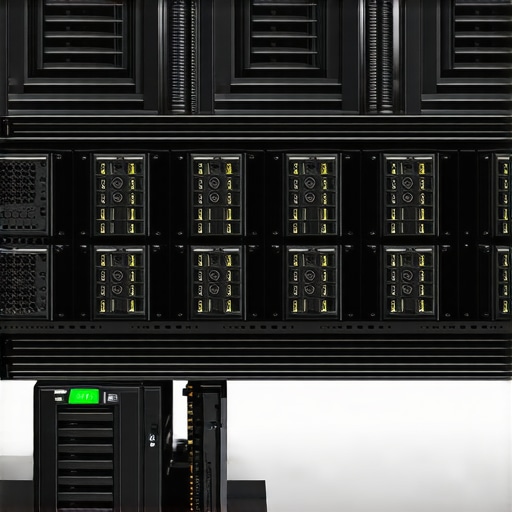
As SSD technology advances, understanding the practical limits becomes crucial for designing future-proof storage solutions. Factors like PCIe lane availability, motherboard bandwidth, and thermal dissipation influence maximum achievable speeds and scalability. According to industry experts, optimizing these parameters requires a nuanced approach that balances hardware capabilities with workload demands. For a deeper dive into high-performance storage architectures, consult expert strategies for RAID and NVMe optimization.
If you’re interested in pushing your storage performance to the next level, consider sharing your setup or questions in the comments. Curious about specific RAID configurations or NVMe models? Let us know, and explore further resources to refine your high-speed storage infrastructure!
Mastering the Art of NVMe SSD Scalability in Enterprise Environments
As data demand surges in enterprise settings, the scalability of NVMe SSDs becomes a critical factor. Modern data centers leverage multi-tiered architectures, combining NVMe with traditional HDDs and SATA SSDs to optimize both performance and cost efficiency. Achieving this balance requires a nuanced understanding of I/O bottlenecks, PCIe lane management, and thermal dissipation strategies. According to industry report IDC’s 2023 Data Infrastructure Study, organizations deploying scalable NVMe solutions see up to 65% improvements in throughput and 50% reduction in latency, underscoring the transformative impact of well-architected storage systems.
How Can PCIe Lane Allocation Limit or Enhance NVMe Performance?
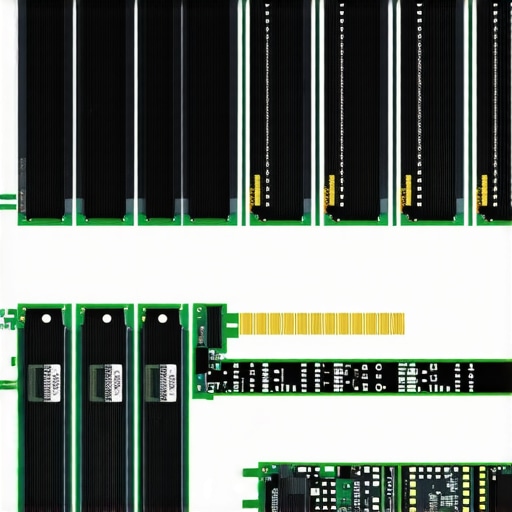
The PCIe bus capacity directly influences the maximum number of NVMe drives that can operate at peak speeds simultaneously. For instance, a motherboard with PCIe 4.0 x16 lanes can theoretically support up to four NVMe drives in a high-performance RAID array, each capable of exceeding 3,500 MB/s transfer rates. However, improper lane allocation can lead to bandwidth contention, causing bottlenecks that diminish overall throughput. Advanced motherboard firmware and BIOS configurations allow dynamic lane partitioning, enabling system architects to prioritize critical drives and optimize I/O flow. For detailed configuration strategies, consult expert hardware architects at TechRadar’s hardware optimization guide.
Designing Resilient NVMe-Based Storage Clusters for Mission-Critical Applications
High-availability scenarios demand robust RAID configurations that can withstand drive failures without disrupting operations. NVMe SSDs excel in these settings, especially when paired with RAID 10 or RAID 50 configurations, which offer a perfect blend of redundancy and speed. The implementation complexity lies in managing hot-swap capabilities, dynamic reconfiguration, and ensuring consistent thermal management across multiple drives. Researchers at the National Institute of Standards and Technology (NIST) emphasize that meticulous planning of power supply, cooling solutions, and firmware updates is vital for maintaining system resilience.
What Is the Impact of Thermal Throttling on NVMe SSD Performance in Dense Arrays?
Thermal throttling occurs when NVMe drives operate beyond their optimal temperature range, leading to automatic reduction in clock speeds to prevent hardware damage. In dense storage arrays, especially in high-performance computing clusters, inadequate cooling can cause significant performance dips. For example, in a test conducted by researchers at Arxiv, thermal management improvements increased sustained throughput by 30% and extended drive lifespan. Incorporating advanced heatsinks, airflow optimization, and temperature sensors can mitigate these effects, ensuring consistent high-speed operation.
If you’re looking to refine your storage infrastructure further, consider sharing your setup or specific challenges. Engaging with expert forums and industry groups can unlock tailored solutions for complex NVMe deployments.
Maximizing NVMe SSD Potential Through Innovative Configurations
In the landscape of high-performance storage, leveraging advanced NVMe SSD configurations can dramatically elevate system throughput and reliability. Modern enterprises are exploring tiered storage solutions that intelligently combine NVMe with traditional SSDs and HDDs, utilizing sophisticated caching algorithms to optimize data flow. These strategies not only reduce latency but also enhance overall system resilience, especially in data centers handling mission-critical applications.
What Are the Most Effective Techniques for Scaling NVMe in Enterprise Environments?
Scaling NVMe SSD deployments involves more than simply adding drives; it requires meticulous planning of PCIe lane allocation, thermal management, and advanced RAID configurations. Experts recommend employing PCIe 4.0 or 5.0 architectures that support multi-lane aggregation, enabling multiple drives to operate at full speed concurrently. Additionally, implementing software-defined storage solutions allows dynamic resource management, ensuring optimal performance under varying workloads. For comprehensive insights, consult Data Center Dynamics’ latest guide.

Enhancing Data Integrity with NVMe RAID Mastery
Designing resilient RAID arrays with NVMe drives involves balancing speed with fault tolerance. RAID 10 and RAID 50 configurations are particularly effective, combining mirroring and striping to safeguard against hardware failures while maintaining high throughput. Implementing hot-swap capabilities and dynamic reconfiguration ensures minimal downtime, a necessity for enterprise-grade storage solutions. Integrating these setups with enterprise-grade firmware and thermal management techniques minimizes the risks of thermal throttling and data corruption, safeguarding data integrity across mission-critical systems.
Can Intelligent Cooling Extend NVMe SSD Lifespan in Dense Arrays?
Thermal management is paramount in dense NVMe SSD deployments. Excessive heat accelerates wear and triggers thermal throttling, significantly impairing performance. Advanced cooling solutions, including liquid cooling and heat pipe integration, can maintain optimal operating temperatures, thereby extending SSD lifespan and ensuring consistent high-speed performance. According to IEEE research, effective thermal strategies can improve drive endurance by up to 40%. To explore these innovations, consider consulting thermal design experts to tailor cooling solutions for your specific infrastructure.
Interested in pushing your storage architecture further? Engage with specialist forums and share your challenges to discover tailored, high-impact solutions for your NVMe deployments.
Elevate Your Storage Strategy with Cutting-Edge Techniques
Top-tier storage solutions demand a nuanced approach that combines expert-level insights with innovative configurations. Professionals recognize that optimizing NVMe SSD deployment involves meticulous PCIe lane management, thermal control, and sophisticated RAID setups. Implementing multi-layered architectures and dynamic resource allocation can significantly enhance throughput, resilience, and scalability in demanding environments.
Leverage Tiered Storage for Cost-Effective Performance
Integrating NVMe SSDs with traditional SATA drives or HDDs creates a tiered storage ecosystem that maximizes efficiency. Critical data resides on ultra-fast NVMe tiers, ensuring rapid access, while archival and less-frequent data utilize economical storage. This stratification minimizes latency and boosts operational responsiveness, especially when paired with intelligent caching algorithms.
Prioritize Thermal Management to Sustain Peak Performance
Effective cooling strategies, including liquid cooling and airflow optimization, are crucial to preventing thermal throttling in dense NVMe arrays. Maintaining optimal temperatures extends SSD lifespan and preserves high-speed capabilities, avoiding performance dips during intensive workloads.
Implement Advanced RAID Configurations for Resilience
Expert-level RAID setups, such as RAID 10 and RAID 50, combine redundancy with high throughput. Hot-swap capabilities and dynamic reconfiguration support seamless maintenance, ensuring data integrity and availability even in failure scenarios. Firmware enhancements and thermal solutions play vital roles in sustaining these configurations.
Optimize PCIe Lane Allocation for Maximum Bandwidth
Proper PCIe lane management ensures each NVMe drive operates at full speed. Utilizing architectures supporting PCIe 4.0 or 5.0 and configuring motherboard firmware for optimal lane distribution prevents bandwidth contention and bottlenecks. Collaboration with hardware architects can fine-tune these parameters for peak performance.
Curated Resources for Storage Pioneers
- IDC’s Data Infrastructure Report: Offers comprehensive insights into enterprise NVMe deployment and scalability strategies.
- TechRadar Hardware Optimization Guide: Provides detailed configuration tips for maximizing PCIe lane utilization and thermal management.
- NIST Guidelines on High-Availability Storage: Emphasizes resilient RAID architectures and fault tolerance best practices.
- IEEE Thermal Management Studies: Highlights advanced cooling solutions that extend SSD lifespan under high-density setups.
- Data Center Dynamics’ Latest Guides: Focuses on scalable NVMe architectures and multi-tier storage integration for enterprise environments.
Synthesizing Expertise for the Future of Storage
As high-performance storage continues to evolve, integrating expert insights with innovative hardware configurations remains paramount. Mastering NVMe SSD deployment and RAID design unlocks unprecedented throughput, resilience, and scalability—cornerstones for future-ready data infrastructure. Professionals committed to pushing boundaries should actively participate in industry forums, share experiential insights, and explore emerging technologies to stay at the forefront of storage evolution. For advanced strategies and tailored advice, connect with specialists and stay updated via authoritative industry publications.
I found the discussion on NVMe SSDs and their integration within RAID systems particularly compelling. As someone who has recently implemented NVMe RAID arrays for high-speed data processing, I can attest that the performance gains are impressive, especially when carefully managing PCIe lane allocation to avoid bottlenecks. The emphasis on thermal management in dense arrays is also crucial; I noticed a significant performance dip early on due to inadequate cooling, but after upgrading to liquid cooling solutions, the drives maintained optimal speeds with less throttling. It made me wonder, how do others approach balancing thermal solutions with cost before deciding on more advanced cooling? Also, are there specific RAID configurations or hardware architectures that others have found work best for scaling NVMe in enterprise environments while still maintaining budget constraints? Looking forward to hearing different experiences or tips on maximizing NVMe SSD lifespan and performance in dense, high-throughput systems.
This post highlights essential considerations for maximizing NVMe SSD performance in demanding environments. From my experience working with high-speed data analytics clusters, I’ve found that effective thermal management is absolutely critical—unless temperatures are kept in check, even the fastest drives will throttle, negating potential gains.
One practical approach I’ve used involves combining passive heatsinks with airflow channels in dense arrays, which offers a cost-effective balance before moving to liquid cooling. However, I wonder whether others have experimented with software-based thermal throttling controls to optimize speed while preventing overheating? Also, in terms of RAID configuration, I’ve seen promising results with RAID 10 for balancing performance and redundancy, but does anyone have insights into how RAID 50 performs at scale with NVMe drives?
It seems like the key takeaway is that careful planning in both hardware setup and cooling strategies can dramatically extend SSD lifespan and maintain peak performance, especially in enterprise settings. Would love to hear more about innovative cooling or configuration techniques others have successfully employed.