Enhancing Data Storage Strategies through External SSDs and RAID Configurations
In the rapidly evolving landscape of data management, professionals and tech enthusiasts alike seek advanced solutions to optimize storage capacity, speed, and reliability. External SSDs combined with RAID configurations present a compelling paradigm for achieving unprecedented levels of data performance and security in 2024. As storage demands grow exponentially across industries, understanding the nuanced interplay between high-speed external drives and RAID architectures becomes essential for maximum efficiency.
Why External SSDs Remain Critical for High-Performance Storage in 2024
External solid-state drives (SSDs) have cemented their role as indispensable tools for professionals requiring portable yet robust storage solutions. Their inherent advantages—lightweight design, resistance to physical shocks, and superior read/write speeds—make them ideal for demanding tasks such as video editing, large-scale data analysis, and high-frequency trading. Recent innovations in NVMe technology have pushed external SSD performance to rival internal drives, transforming them into viable options for critical data workflows.
How do NVMe SSDs revolutionize external storage capabilities?
NVMe SSDs leverage the PCIe interface, dramatically increasing data transfer rates compared to SATA-based drives. This leap in performance is crucial when working with large datasets or real-time streaming, where latency and bandwidth are pivotal. For instance, high-end NVMe external SSDs can reach transfer speeds exceeding 3,500 MB/s, enabling professionals to streamline workflows without bottlenecks. For more insights into NVMe performance secrets, visit this detailed guide.
Integrating RAID Solutions for Unmatched Data Security and Speed
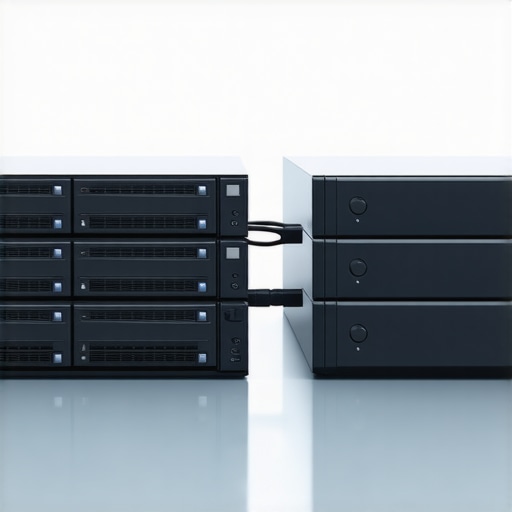
RAID (Redundant Array of Independent Disks) configurations amplify the capabilities of external SSDs by combining multiple drives into a cohesive, high-performance storage array. Whether through RAID 0 for speed or RAID 5 for redundancy, these configurations allow for tailored solutions that align with specific operational priorities. External RAID enclosures support hot-swapping, further minimizing downtime and data loss risks—crucial for enterprise environments and professional studios alike.
What are the optimal RAID configurations for external SSDs in 2024?
For maximum speed, RAID 0 stripes data across multiple SSDs, offering near-linear scalability in transfer rates. Conversely, RAID 5 or RAID 10 provide a balance of redundancy and performance, safeguarding against drive failure while maintaining high throughput. When deploying external RAID arrays, ensuring compatibility with Thunderbolt 3 or 4 interfaces is vital for leveraging full bandwidth potential. To explore comprehensive RAID optimization strategies, consult this expert resource.
Future-Proofing Storage Solutions with Industry-Grade External RAID Systems
Looking ahead, the integration of AI-driven management tools and smarter caching algorithms promises to elevate RAID and SSD performance further. Advanced monitoring systems can predict drive failures, optimize data distribution, and dynamically adjust configurations to sustain peak performance levels. As data security remains paramount, encryption at the hardware level within external RAID enclosures ensures compliance with evolving privacy regulations, emphasizing the importance of trustworthy solutions in 2024 and beyond.
In conclusion, the synergy between cutting-edge external SSDs—particularly NVMe variants—and sophisticated RAID configurations is redefining the boundaries of data storage. For professionals aiming to maximize storage speed, capacity, and resilience, adopting these technologies is not merely advantageous but essential. Explore the latest developments and share your insights with the community to foster continuous innovation in high-performance storage solutions.
Sources: For a deeper understanding of NVMe SSDs, visit this authoritative guide.
Revolutionize Your Storage with Cutting-Edge Technologies
As data demands escalate, professionals must leverage the latest advancements in external SSDs and RAID configurations to stay ahead. High-performance NVMe SSDs, especially when integrated into sophisticated RAID arrays, unlock unprecedented data speeds and resilience. To truly harness these innovations, understanding how to optimize RAID levels and interface compatibility is essential. For deeper insights into RAID optimization strategies, visit this comprehensive resource.
Why Do External SSDs with NVMe Lead the Way in 2024?
NVMe SSDs utilize PCIe technology, delivering rapid data transfer rates that outpace traditional SATA drives by a significant margin. When paired with external enclosures supporting Thunderbolt 4 or USB4, these drives provide portable, high-speed solutions for editing 4K/8K videos or managing large datasets on the go. Recent innovations in external SSDs have also improved durability and heat dissipation, allowing sustained high performance under intense workloads. For a detailed comparison between SATA and NVMe SSDs, check this expert analysis.
What advanced RAID configurations should professionals consider for external SSDs in 2024?
Beyond traditional RAID 0 and RAID 5, emerging configurations like RAID 10 and hybrid setups can offer a potent combination of speed and redundancy. External RAID enclosures supporting hot-swapping and hardware encryption are vital for mobile professionals requiring both security and rapid access. Moreover, integrating intelligent caching algorithms can significantly reduce latency, optimizing workflow efficiency. For insights into configuring RAID for maximum performance, explore this in-depth guide.
How to Future-Proof Your Storage Infrastructure in 2024
Adopting modular external SSDs and scalable RAID systems allows flexibility as data needs grow. The latest external enclosures now support multi-SSD configurations with customizable RAID levels, ensuring adaptability to evolving projects. Additionally, integrating AI-powered management tools for predictive monitoring can preempt drive failures and optimize data distribution dynamically. Hardware encryption and compliance with privacy standards like GDPR further reinforce data security. To explore the best external RAID solutions tailored for your workflow, visit this curated list.
Interested in elevating your data management? Share your experiences or ask questions in the comments below, and don’t forget to check out our contact page for personalized advice.
Mastering Data Integrity with Advanced RAID Strategies for External SSDs
As data volumes continue to soar, the importance of resilient, high-speed storage configurations cannot be overstated. For professionals managing sensitive or mission-critical information, selecting the right RAID level for external SSDs can mean the difference between seamless operations and catastrophic data loss. While RAID 0 offers impressive speed gains by striping data across multiple disks, it leaves data vulnerable to individual drive failures. Conversely, RAID 5 and RAID 10 strike a balance, offering redundancy without sacrificing too much performance. Recent innovations—such as hardware-encrypted RAID controllers supporting hot-swapping—further enhance security and uptime, especially vital in environments where downtime is costly. For a comprehensive look at these configurations, consult this expert analysis.
How do emerging RAID levels and hybrid configurations address complex data management needs?
Emerging RAID setups, like RAID 50 or hybrid RAID configurations, integrate multiple RAID types to tailor performance and redundancy, often combining SSDs with traditional HDDs for optimized cost-performance ratios. These configurations utilize intelligent data distribution algorithms to maximize throughput while safeguarding against hardware failures. For instance, RAID 50 combines striping and parity across multiple RAID 5 arrays, providing both speed and redundancy—a boon for large-scale media production or high-frequency trading platforms. Integrating these solutions into external enclosures demands careful attention to interface compatibility, notably Thunderbolt 4 and USB4 standards, to unlock their full potential. For further insights, explore this industry-leading resource.
Harnessing AI and Automation to Elevate External Storage Reliability
The future of high-performance storage lies in intelligent management systems that proactively monitor device health, predict failures, and optimize data distribution in real-time. AI-driven analytics integrated within external RAID enclosures can analyze SMART data, temperature logs, and workload patterns to alert users before issues manifest, drastically reducing unscheduled downtime. These systems can also dynamically reconfigure RAID levels or initiate hot-swapping procedures to maintain optimal performance without human intervention. Furthermore, encryption modules embedded within these systems ensure compliance with evolving privacy standards like GDPR and HIPAA, reinforcing data security in sensitive sectors. A detailed exploration of these innovations is available in this authoritative publication.
Future-Proofing Your Data Infrastructure for Next-Generation Demands
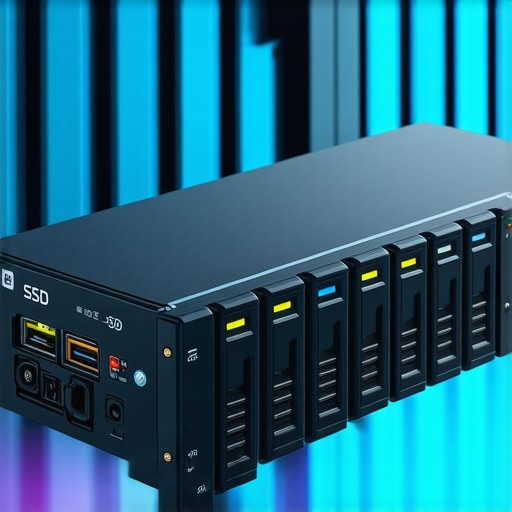
Adopting modular external SSD solutions that support multi-SSD configurations with flexible RAID levels is imperative for scaling with growing data needs. The latest external enclosures feature plug-and-play capabilities, allowing seamless upgrades and reconfigurations—saving time and reducing operational disruptions. Coupled with AI-powered predictive diagnostics, these setups can adapt dynamically to workload variations, ensuring consistent performance. Additionally, integrating hardware-level encryption and secure authentication protocols fortifies data against cyber threats, aligning with the highest security standards. To discover cutting-edge external RAID solutions tailored to your workflow, visit this curated guide.
Engage with our community by sharing your experiences or posing questions about optimizing external storage systems. For personalized advice, visit our contact page.
Unlocking the Potential of External SSDs with Cutting-Edge Interfaces
In 2024, the evolution of external SSDs pivots around innovative interface technologies that dramatically augment data transfer speeds and reliability. Thunderbolt 4 and USB4 standards have become the backbone of high-performance external storage solutions, enabling seamless integration with professional workstations and mobile devices. These interfaces support multi-gigabit data rates and power delivery, reducing the need for additional hardware and simplifying setups for demanding workflows such as 8K video editing and real-time data analytics. To understand the technical nuances of these interfaces and their impact on external SSD performance, consult this detailed analysis.
How does NVMe over External Enclosures Accelerate Data Workflows?
NVMe SSDs, leveraging the PCIe 4.0 and 5.0 standards, have revolutionized external storage by offering unmatched speed and low latency. When housed within high-quality enclosures supporting Thunderbolt 4 or USB4, these drives can achieve transfer speeds exceeding 7,000 MB/s, rivaling internal storage solutions. This leap is crucial for professionals handling massive datasets, such as 3D rendering, virtual production, or scientific simulations. The integration of advanced thermal management systems within these enclosures ensures sustained performance under heavy workloads. For comprehensive insights into NVMe optimization, visit this expert resource.
What are the key considerations when selecting external NVMe enclosures for demanding applications?
Choosing the right enclosure involves assessing compatibility with PCIe standards, thermal dissipation capabilities, and interface support. It is essential to prioritize enclosures with hardware encryption for data security and hot-swap features to facilitate maintenance. Additionally, ensuring the enclosure’s firmware supports the latest driver updates guarantees compatibility with evolving operating systems. For a thorough comparison of top-rated external NVMe enclosures, see this comprehensive review.
Revolutionizing Data Security with Hardware-Level Encryption in External RAID Systems
Data security remains paramount, especially when managing sensitive information across portable external RAID arrays. Hardware encryption modules embedded within external RAID enclosures provide robust protection against cyber threats, ensuring compliance with GDPR, HIPAA, and other standards. These solutions support AES-256 encryption algorithms, operating transparently to users and maintaining high data throughput. Implementing hardware encryption is critical for sectors like finance, healthcare, and government agencies, where data breaches can have severe repercussions. For in-depth guidance on integrating hardware encryption into your storage infrastructure, explore this authoritative guide.
Emerging Trends in AI-Driven Storage Management and Predictive Maintenance
The future of high-performance external storage is increasingly intertwined with artificial intelligence. AI algorithms now enable real-time monitoring of drive health, predictive failure analytics, and automated reconfiguration of RAID arrays to prevent data loss and minimize downtime. These intelligent systems analyze SMART data, temperature logs, and workload patterns to optimize performance dynamically. Incorporating AI-powered management tools into external RAID solutions enhances operational resilience, especially in mission-critical environments. For further insights, review this authoritative publication.
Designing Modular, Scalable Storage Architectures for Growing Data Demands
As data volumes continue to surge, modular external SSDs and scalable RAID configurations become indispensable for future-proofing infrastructure. Modern enclosures support multi-SSD arrays with customizable RAID levels, allowing seamless upgrades and reconfigurations. Integrating AI-driven analytics helps anticipate capacity needs and optimize resource allocation proactively. Secure hardware modules with hardware encryption and tamper-proof features ensure data integrity and confidentiality in highly mobile or distributed environments. To explore top modular storage solutions, visit this curated list.
Engage with professionals and share your experiences in optimizing external storage systems. For personalized guidance, contact us through our contact page.
Expert Insights to Elevate Your Storage Strategy
Leverage Modular Systems for Flexibility
In 2024, adopting modular external SSDs combined with scalable RAID configurations allows for seamless upgrades, ensuring your storage infrastructure evolves with data demands. This approach minimizes downtime and maximizes adaptability, critical in fast-paced professional environments.
Prioritize Hardware Encryption and Security
Security remains paramount. External RAID systems equipped with hardware-level AES-256 encryption safeguard sensitive data without compromising performance, making them indispensable for enterprise and high-security applications.
Integrate AI for Predictive Maintenance
Incorporating AI-driven analytics into storage management enables real-time monitoring, failure prediction, and automated reconfiguration. This proactive approach reduces downtime and extends the lifespan of your storage assets.
Optimize Interface Compatibility for Peak Speed
Choosing enclosures supporting Thunderbolt 4 and USB4 ensures maximum bandwidth utilization of NVMe SSDs. These interfaces facilitate rapid data transfer, essential for tasks like 8K video editing or large dataset processing.
Curated Resources to Deepen Your Expertise
- NVMe SSD Performance Secrets: An authoritative guide on unlocking maximum speed from NVMe drives, essential for tech professionals.
- RAID Storage Optimization: Comprehensive insights into configuring RAID arrays for optimal balance of speed and redundancy.
- External RAID Security Features: Industry-leading analysis of hardware encryption and security protocols for portable storage solutions.
Final Reflection from a Storage Authority
As professionals push the boundaries of data capacity and speed, mastering external SSDs and RAID configurations becomes more than a technical skill—it’s a strategic imperative. Embracing modularity, security, and intelligent management tools ensures your storage solutions remain robust and future-proof. Engage with these insights, explore the recommended resources, and share your experiences to drive innovation in high-performance storage systems. For tailored guidance, visit our contact page.
This post offers a comprehensive view of how external SSDs and RAID configurations are shaping data storage in 2024. From my experience, leveraging NVMe SSDs in RAID 0 has significantly boosted my data transfer speeds, especially for large media projects. The mention of AI-driven management tools caught my attention, as they seem to be revolutionizing proactive maintenance, reducing unexpected failures. I’ve encountered challenges with compatibility among different external enclosures—ensuring these support the latest Thunderbolt standards has been crucial. Has anyone here explored hybrid RAID setups, combining SSDs and HDDs, to balance cost and performance? It seems like a flexible solution for growing data needs without sacrificing speed or redundancy. Overall, integrating these advanced technologies has made my workflow much more efficient, and I’d love to hear how others are managing their storage architectures to keep up with increasing demands.