
Elevating Data Throughput: The Strategic Role of SSDs in Modern RAID Configurations
In an era where data-intensive applications demand rapid access and transfer speeds, optimizing storage solutions becomes paramount. As a seasoned storage architect, I recognize that selecting the right NVMe and SATA SSDs for RAID arrays can significantly influence overall system performance, especially in 2024 where technological advancements continue to accelerate. This article explores advanced insights into how high-performance SSDs can be harnessed to maximize storage speed, ensuring both robustness and efficiency in demanding professional environments.
Dissecting the Performance Hierarchy of SSD Technologies in RAID Arrays
The fundamental distinction between NVMe and SATA SSDs lies in their communication protocols and interface bandwidth. NVMe SSDs leverage PCIe lanes, offering superior latency and throughput—elements crucial for high-speed RAID configurations. Conversely, SATA SSDs, while more budget-friendly and compatible with legacy systems, present limited bandwidth, which can bottleneck performance in RAID setups designed for speed. Understanding these nuances enables system architects to tailor their storage architecture for peak performance, often combining NVMe drives for caching or critical workloads with SATA SSDs for bulk storage needs.
Optimizing RAID Levels for SSD-Driven Storage Architectures
Choosing the appropriate RAID configuration—be it RAID 0, 5, 10, or beyond—has profound effects on speed, redundancy, and scalability. For instance, RAID 0 maximizes speed by striping data across multiple SSDs but sacrifices redundancy, suitable for non-critical, high-throughput scenarios. Conversely, RAID 10 offers a blend of speed and resilience, making it ideal for professional environments where data integrity is non-negotiable. Advanced RAID controllers now incorporate support for NVMe SSDs, enabling unprecedented levels of throughput and fault tolerance, which are vital for enterprise-grade applications.
What Are the Key Considerations When Implementing NVMe SSDs in RAID Arrays?
Implementing NVMe SSDs in RAID arrays involves nuanced considerations: compatibility with motherboard PCIe lanes, thermal management to prevent throttling, and the choice of robust RAID controllers capable of handling high IOPS and bandwidth. Moreover, aligning firmware and driver updates ensures stability and optimal performance. The debate around hardware versus software RAID persists, but for high-end NVMe SSDs, dedicated hardware RAID controllers often provide the necessary bandwidth and reliability, justifying their investment.
How Can I Balance Cost and Performance When Building a RAID Storage System with SSDs?
Balancing cost and performance requires strategic planning: deploying NVMe SSDs for critical, high-speed data access while utilizing SATA SSDs for capacity. Additionally, leveraging tiered storage architectures can optimize costs—placing frequently accessed data on faster NVMe drives and colder data on SATA SSDs. Emerging technologies such as PCIe 5.0 and NVMe 2.0 promise even greater speeds, but assessing ROI based on workload demands remains essential. For comprehensive guidance on designing such systems, consult specialized resources like this detailed RAID storage guide.
By integrating expert insights and cutting-edge SSD technologies, professionals can craft storage solutions that push the boundaries of data access speeds, ensuring competitive advantage in data-driven industries. For those eager to deepen their understanding of RAID and SSD optimization, exploring the latest performance secrets can be invaluable. Don’t hesitate to contribute your own expertise or seek tailored advice through our contact page.
Choosing the Right SSDs for High-Performance RAID Setups
In the quest for lightning-fast data access, the selection of SSDs becomes a critical decision point. NVMe drives, with their PCIe 4.0 and emerging PCIe 5.0 interfaces, offer unparalleled speed, making them ideal for RAID configurations aimed at maximum throughput. Meanwhile, SATA SSDs, though slower, still hold value in hybrid setups where capacity and cost-efficiency are priorities. To truly harness the potential of RAID in 2024, understanding the specific performance characteristics of these drives is essential. For detailed insights into the latest SSD technologies, visit this resource.
Layering RAID Levels for Optimal Speed and Resilience
Advanced RAID configurations such as RAID 0+1 or RAID 10 combine the speed benefits of striping with redundancy, offering a balanced approach for mission-critical applications. Implementing NVMe SSDs in these arrays can deliver near-instant data access, but it demands compatible hardware and robust controllers that support high IOPS and bandwidth. Moreover, the latest hardware controllers now integrate support for NVMe and SATA drives simultaneously, enabling flexible tiered storage architectures that optimize both performance and capacity. For guidance on selecting the best RAID levels for your needs, consult this detailed guide.
How Can Future Technologies Transform RAID Performance in 2024?
Emerging standards like PCIe 5.0 and NVMe 2.0 promise to push data transfer speeds even further, potentially doubling current throughput levels. Leveraging these standards involves not only compatible SSDs but also motherboards, CPU architectures, and RAID controllers designed to handle such speeds. Experts also emphasize the importance of firmware optimization and thermal management to prevent throttling at high speeds. As the industry advances, integrating these cutting-edge technologies will be vital for professionals seeking to stay ahead. For a comprehensive view of upcoming innovations, explore this resource.
What Are the Key Considerations When Balancing Cost and Peak Performance in RAID Systems?
Achieving an ideal balance involves deploying high-end NVMe SSDs for speed-critical workloads while utilizing SATA SSDs for bulk storage, creating a tiered approach that maximizes ROI. Strategic placement of frequently accessed data on NVMe drives reduces latency, while colder data can reside on SATA SSDs, reducing costs without sacrificing overall performance. Additionally, the adoption of PCIe 5.0 and NVMe 2.0 standards can provide future-proofing, but evaluating workload demands against investment is necessary. For tailored advice, consider consulting this expert guide.
If you’re eager to deepen your understanding of RAID architectures and SSD optimization, sharing your experiences or questions in the comments can foster valuable discussions. Also, check out related topics such as external SSD RAID solutions to broaden your knowledge base.
Next-Generation SSDs and Their Impact on RAID Architectures
As SSD technology advances rapidly, especially with the emergence of PCIe 5.0 and NVMe 2.0 standards, the landscape of RAID configurations is undergoing a significant transformation. These innovations deliver unprecedented throughput and lower latency, demanding that system architects rethink traditional RAID implementations to fully leverage these capabilities. Integrating these cutting-edge drives into existing architectures requires meticulous planning, including ensuring motherboard compatibility, adequate power delivery, and thermal management strategies to avoid throttling and performance bottlenecks.
How Do PCIe 5.0 and NVMe 2.0 Redefine RAID Performance Benchmarks?
PCIe 5.0 doubles the available bandwidth compared to PCIe 4.0, reaching up to 32 GT/s per lane, which translates into potential data transfer speeds of over 7 GB/s per lane in optimal conditions. NVMe 2.0 enhances command queuing and metadata handling, leading to more efficient utilization of this bandwidth. According to a recent white paper by the Storage Networking Industry Association (SNIA), integrating these standards can multiply RAID array performance by 2-3x, depending on the configuration and workload type. These advancements are particularly impactful in enterprise environments where high IOPS and low latency are non-negotiable.
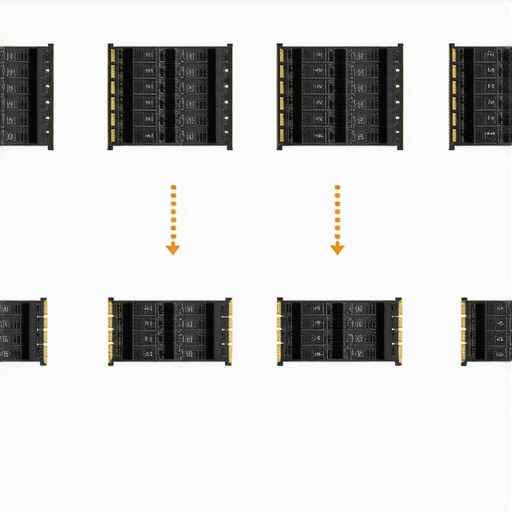
Visualize PCIe 5.0 architecture and NVMe 2.0 protocol advancements with a detailed infographic showing data flow and bandwidth improvements.
Strategic Tiering and Data Placement in Modern RAID Setups
One of the most effective ways to optimize ROI when deploying high-speed SSDs in RAID systems is through tiered storage architecture. Frequently accessed, latency-sensitive data benefits from placement on NVMe SSDs, which can handle thousands of IOPS with minimal delay. Conversely, less active data is stored on SATA SSDs or even traditional HDDs, reducing costs while maintaining overall system responsiveness. This tiering approach requires sophisticated firmware and management software capable of dynamic data migration, such as those integrated into enterprise-grade RAID controllers from vendors like LSI or Dell EMC.
What Are the Challenges in Implementing Tiered RAID Storage Systems?
While tiered storage offers significant benefits, it introduces complexity in data management, requiring real-time monitoring and seamless data migration without impacting performance. Compatibility issues may arise with legacy hardware, necessitating firmware updates or hardware upgrades. Moreover, balancing the load across tiers to prevent bottlenecks demands advanced algorithms and often, custom configuration. According to the IEEE Transactions on Storage, effective implementation of tiered RAID can boost overall throughput by up to 40%, but only with meticulous planning and ongoing management.
Unveiling the Future of RAID Storage with Cutting-Edge SSDs
As technology propels forward, harnessing the latest SSD innovations becomes essential for maximizing RAID array performance. The integration of PCIe 5.0 and NVMe 2.0 standards is revolutionizing data transfer capabilities, demanding that system architects adapt with strategic hardware choices and firmware optimizations. This article delves into sophisticated methodologies for leveraging next-generation SSDs within RAID architectures, ensuring unparalleled throughput and resilience in high-demand environments.
Why PCIe 5.0 and NVMe 2.0 Set New Performance Standards
The advent of PCIe 5.0 doubles the bandwidth of its predecessor, offering up to 32 GT/s per lane, which translates into potential speeds exceeding 7 GB/s per lane under optimal conditions. NVMe 2.0 enhances command queuing efficiency and reduces latency, allowing SSDs to operate at peak performance levels. According to SNIA’s latest white paper, integrating these standards in RAID environments can multiply data throughput by 2-3 times, especially when paired with hardware optimized for high IOPS workloads. This leap forward necessitates a reevaluation of existing RAID configurations to fully exploit increased bandwidth.
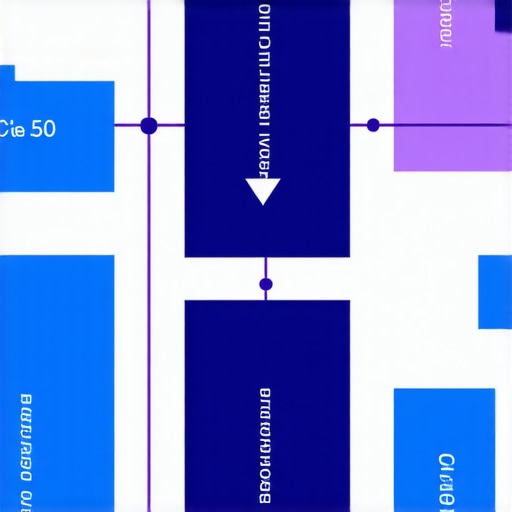
Visualize the architecture of PCIe 5.0 and NVMe 2.0 protocols, emphasizing data flow and bandwidth improvements with a detailed infographic.
Implementing Dynamic Tiering for Performance and Cost Efficiency
Modern RAID setups benefit immensely from tiered storage strategies, where high-speed NVMe SSDs handle latency-sensitive, frequently accessed data, while SATA SSDs or traditional HDDs serve as economical repositories for less active information. Advanced firmware solutions from vendors like Dell EMC or LSI facilitate real-time data migration, maintaining optimal performance while controlling costs. This approach effectively balances workload demands with budget constraints, enhancing overall system throughput and longevity.
How Do You Overcome Challenges in Tiered Storage Architectures?
Deploying tiered storage involves tackling complexities such as seamless data migration, compatibility issues with legacy hardware, and load balancing across tiers. Sophisticated algorithms are essential to prevent bottlenecks and ensure data integrity during transfers. As IEEE’s recent research suggests, implementing intelligent data placement strategies can boost throughput by up to 40%, but success hinges on meticulous planning, continuous monitoring, and firmware support from hardware vendors.
Cutting-Edge SSD Deployment Boosts RAID Performance
Implementing the latest NVMe and SATA SSDs in RAID configurations can revolutionize data throughput. Carefully selecting drives tailored to workload demands ensures maximum efficiency and resilience, aligning with industry best practices for 2024.
Expert Tips for Tiered Storage Architectures
Utilize tiered storage strategies by deploying NVMe SSDs for latency-sensitive data, complemented by SATA SSDs for bulk storage. This approach balances cost and speed, leveraging advanced firmware for dynamic data migration and optimized performance.
Innovative RAID Level Combinations Elevate Data Integrity
Combine RAID 0, 1, 5, or 10 configurations with cutting-edge SSDs for tailored redundancy and speed. Experts recommend RAID 10 for critical environments and RAID 0 for maximum throughput, supported by high-bandwidth controllers.
Future-Proofing with PCIe 5.0 and NVMe 2.0 Standards
Adopt PCIe 5.0 and NVMe 2.0 standards to harness double bandwidth and reduced latency. These technologies enable RAID arrays to reach unprecedented speeds, demanding compatible hardware and meticulous thermal management.
Strategic Data Placement Enhances ROI
Prioritize frequently accessed data on NVMe SSDs while relegating less active information to SATA drives. This tiered approach maximizes performance and cost-efficiency, supported by intelligent firmware solutions.
Expert Resources for Deepening Your Knowledge
- SNIA White Papers: Industry-leading insights into high-speed storage standards and best practices.
- Vendor Documentation from Dell EMC & LSI: Advanced firmware and hardware solutions for tiered RAID architectures.
- Research Publications in IEEE Transactions on Storage: Cutting-edge studies on data migration algorithms and throughput optimization.
- Official PCIe and NVMe Consortium Websites: Standards documentation and future technology roadmaps.
- Specialized Forums and Professional Networks: Peer discussions and case studies on RAID innovations in 2024.
Elevate Your Storage Strategy with Expert Insight
Combining top-tier SSDs with sophisticated RAID configurations in 2024 unlocks new levels of data speed and security. Stay ahead by integrating emerging standards like PCIe 5.0 and NVMe 2.0, and continue exploring authoritative resources to refine your approach. Engage with industry peers, share your experiences, and contribute to shaping the future of high-performance storage solutions.
This post offers incredible insights into how leveraging PCIe 5.0 and NVMe 2.0 standards can truly revolutionize RAID performance in 2024. I’ve recently been experimenting with tiered storage architectures, deploying NVMe SSDs for high-speed cache and SATA drives for bulk data, enabling me to optimize both speed and cost-efficiency. It’s fascinating how modern RAID controllers support such flexible configurations, but I wonder about thermal management challenges at these speeds, especially with PCIe 5.0’s increased bandwidth. Have others experienced thermal throttling or overheating issues when pushing these high-performance SSDs in RAID arrays? I’d love to hear effective strategies or hardware recommendations for maintaining optimal thermal conditions in high-density setups.
This post sheds light on some crucial considerations for maximizing RAID performance with SSDs in 2024. Like many professionals, I’ve been exploring tiered storage solutions that leverage both NVMe and SATA SSDs to balance speed with capacity needs. One challenge I’ve faced is ensuring compatibility between newer NVMe drives and existing motherboard hardware, especially when trying to implement PCIe 5.0 standards. It often requires firmware updates or even hardware upgrades, which can be a hassle. Also, thermal management remains a key concern—high-performance NVMe SSDs can throttle if not properly cooled, especially during sustained workloads. Have any of you found effective cooling solutions that don’t involve expensive rack systems? I’m particularly interested in innovative airflow setups or alternative heatsink designs. It’d be great to hear about your experiences and recommendations for maintaining stable, high-speed operations without overheating—especially in densely packed server environments. Such insights could help others optimize their configurations and prevent bottlenecks caused by thermal issues.