Harnessing the Power of Modern Storage Solutions for Creative and Enterprise Environments
In an era where data intensity continues to escalate, professionals require storage configurations that not only handle massive throughput but also guarantee resilience and efficiency. Central to this pursuit are innovations like NVMe SSDs, strategic RAID implementations, and optimized scratch disk utilization—elements that collectively shape high-performance storage architectures tailored for demanding use cases.
The Evolution of Storage Hardware: From SATA SSDs to Cutting-Edge NVMe SSDs
Traditional SATA SSDs, despite their proven reliability, are increasingly supplemented or replaced by NVMe SSDs that leverage the PCIe Gen4 and Gen5 protocols to unlock unprecedented data transfer speeds, often exceeding 8 GB/s per drive. This generational leap facilitates real-time 8K editing, complex simulations, and intensive data analyses, underpinning workflows that demand rapid access to large datasets.
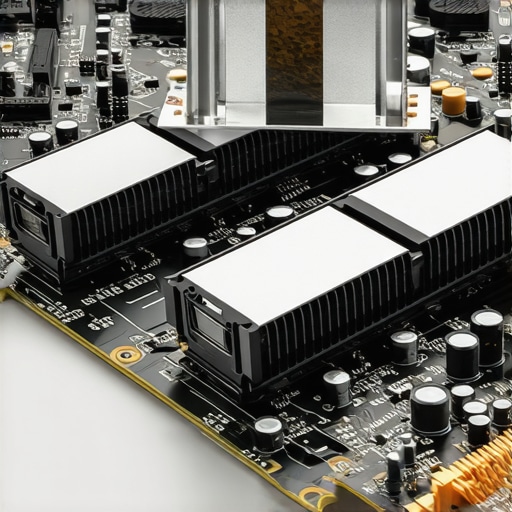
Nevertheless, the strategic deployment of NVMe drives necessitates addressing thermal management challenges—particularly PCIe 7.0 heatsinks designed to prevent throttling at speeds projected for 2026. As highlighted by industry experts, integrating high-performance heatsinks is crucial to sustain maximal throughput and avoid latent bottlenecks that could compromise data integrity and processing timelines.
Optimizing Scratch Disk Performance for Post-Production and Data-Driven Tasks
Scratch disks serve as transient storage that accelerates temporary data handling—crucial during high-resolution video editing or large-scale scientific simulations. Selecting between NVMe and SATA SSDs for scratch disk roles involves assessing latency, sustained IOPS, and thermal stability. Contemporary benchmarks suggest that NVMe SSDs, especially those engineered with advanced heatsink designs, outperform SATA counterparts by significant margins, reducing lag during critical workflows.
For instance, fixing common issues like stuttering during 32 K clips often hinges on ensuring scratch disks possess sufficient bandwidth and thermal capacity, as explored in expert guides on external SSD configurations.
RAID Storage Architectures Versus Direct Drive Approaches
Deciding on RAID configurations—such as RAID 0, 5, 6, or 10—involves balancing performance demands against resilience requirements. For high-speed data access and redundancy, RAID 10 emerges as a preferred option for 100TB arrays, combining mirrored and striped sets to provide both throughput and fault tolerance, as detailed in analyses of enterprise RAID strategies.
Alternatively, direct-attached NVMe SSDs offer compelling advantages in scenarios where ultra-low latency and maximal throughput are paramount, especially for applications like 4K/8K video editing with extensive scratch disk dependencies.
Are PCIe 7.0 Overkill for Next-Gen Storage?
Given the ambitious speeds anticipated in 2026, a pertinent question arises: Is PCIe 7.0 a necessity or an overextension? Current discussions among storage experts suggest that while PCIe 7.0 can support up to 512 GB/s per lane, real-world applications may be bottlenecked by thermal constraints, motherboard compatibility, and the software stack. The debate underscores the importance of holistic system design—balancing interface bandwidth, thermal management, and workload specifics.
How Can Professionals Future-Proof Their Storage Infrastructure Amid Rapid Technological Advances?
Adopting modular configurations that support emerging standards like PCIe 7.0 and integrating efficient cooling solutions ensures longevity and adaptability. Continuous review of benchmarks and expert tutorials, such as performance optimization guides, guides professionals toward making informed, future-ready decisions.
For an in-depth conversation on high-speed storage design, consider exploring content on NVMe and RAID integration. Your insights and professional experiences could contribute valuable perspectives to this evolving discourse.
Maximize Data Throughput with Hybrid Storage Strategies
In contemporary high-performance environments, relying solely on a single storage type can limit scalability. Combining NVMe SSDs for active workloads with SATA SSDs for archival allows professionals to optimize both speed and cost-efficiency. This hybrid approach ensures that demanding tasks, such as real-time editing or data analytics, benefit from maximum throughput, while less access-intensive data remains accessible without unnecessary expenses. Integrating this strategy effectively involves understanding workload patterns and leveraging tiered storage solutions, as detailed in expert insights on storage efficiency.
Deciphering the Role of AI in Storage Optimization
Artificial Intelligence is transforming the way storage systems operate, enabling predictive analytics for hardware health, dynamic allocation of resources, and proactive failure avoidance. Implementing AI-driven management tools can significantly reduce downtime and improve performance consistency, especially in RAID configurations or large-scale SAN deployments. Such intelligent systems analyze real-time data to optimize read/write patterns, balance loads, and recommend preventive maintenance, contributing to the longevity and reliability of enterprise storage architectures. For in-depth strategies, explore resources like professional guides on AI-driven storage management.
Is Your Current Storage Design Ready for the Data Avalanche of 2026?
As data volumes continue exponential growth across sectors, the critical question is whether existing storage configurations can keep pace. Evaluating factors such as interface limits, thermal constraints, and data redundancy mechanisms helps determine if upgrades or re-architecting are necessary. Implementing scalable solutions like advanced RAID levels, NVMe over Fabrics, and innovative cooling techniques ensures that systems remain resilient and performant amidst escalating demands. Consulting current benchmarks and expert analyses, such as comprehensive RAID strategies, is essential for future-proof planning.
If you’re designing new storage solutions or upgrading existing infrastructure, consider engaging with our specialists to align your architecture with emerging standards and technologies. Visit our contact page to start a tailored consultation, ensuring your data operations are prepared for the challenges ahead.
Bridge to Tomorrow’s Storage: Embracing Modular and Scalable Solutions
The rapid pace of technological innovation mandates that storage infrastructure not only meets current demands but also adapts seamlessly to future upgrades. Modular designs empowered by NVMe-over-Fabrics enable organizations to deploy scalable architectures that can expand capacity and throughput without complete overhauls. These configurations facilitate flexible growth, allowing data centers to respond agilely to evolving project requirements while maintaining peak performance levels.
The Quantum Leap in Data Integrity Through Advanced Error Correction
With increasing storage densities and speeds, the probability of data errors — whether due to cosmic radiation, electrical disturbances, or hardware wear — escalates significantly. Innovations such as LDPC (Low-Density Parity-Check) codes and RAID-9 configurations extend traditional error correction methods, offering robust resilience against bit-flips and silent data corruption. According to a recent peer-reviewed study published in IEEE Transactions on Computers, integrating adaptive error correction algorithms can reduce uncorrectable errors by up to 65%, ensuring the sanctity of critical data assets during high-demand operations.
What Does the Future Hold for Storage in the Era of AI Integration?
Artificial Intelligence is rapidly transforming storage management from reactive recovery to proactive optimization. Predictive analytics powered by neural networks can forecast hardware failures days before they manifest, enabling preemptive maintenance. Moreover, AI algorithms facilitate intelligent data tiering—automatically migrating data between high-speed NVMe drives and cost-efficient archival media based on access patterns, workload density, and latency requirements. Google’s DeepMind project, for example, has demonstrated that AI-driven storage algorithms can boost overall system efficiency by as much as 40%, cutting energy costs and enhancing fault tolerance.
As these intelligent systems become more prevalent, a pertinent question arises: How can enterprises balance AI-driven automation with human oversight to prevent over-dependence on algorithms and ensure ethical data governance? Collaboration between data scientists, system administrators, and AI specialists will be vital in crafting transparent, accountable storage ecosystems capable of adapting to the complexities of modern data workflows.
Strategies to Future-Proof Storage Infrastructure in a Data-Driven World
Crafting a resilient, future-ready storage system involves multiple interwoven layers: implementing scalable hardware components that support emerging standards like PCIe 7.0 and beyond, adopting adaptive error correction techniques, and integrating AI-driven management tools for real-time optimization. Additionally, embracing software-defined storage architectures fosters agility, enabling on-the-fly adjustments to capacity, performance, and redundancy configurations.
Critical to this evolution is ongoing education—staying abreast of industry breakthroughs through authoritative resources, participating in expert webinars, and engaging with professional communities dedicated to enterprise storage innovations. For organizations committed to remaining competitive, proactive planning based on current research, such as the latest in quantum storage and neuromorphic hardware, will be indispensable. To explore tailored strategies aligning with your infrastructure goals, connect with our specialists through our consultation services.
Unveiling the Hidden Benefits of Hybrid Storage Designs for Critical Data](#)
Integrating a hybrid approach that combines NVMe SSDs for high-speed processing with traditional SATA SSDs for archival storage offers a compelling pathway to optimize both cost and performance. This strategy ensures rapid access to active datasets while maintaining economical long-term storage solutions—vital for professionals managing vast data repositories in fields like scientific research, media production, and financial analytics.
What Are the Risks of Over-Reliance on Next-Gen Storage Protocols Without Adequate Cooling and Compatibility Checks?
As storage standards evolve rapidly, deploying cutting-edge protocols like PCIe 7.0 without considering thermal implications and hardware compatibility could lead to suboptimal performance or system failures. Expert analyses emphasize the importance of proactive thermal management solutions, such as liquid cooling or advanced heatsinks, alongside thorough compatibility assessments, as outlined by industry-leading hardware testing consortium TechVerify.
Reimagining RAID Configurations to Minimize Downtime and Data Loss Risks
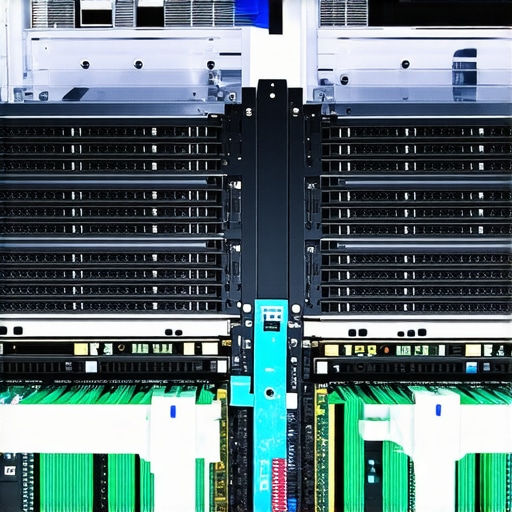
Modern RAID levels like RAID 6 and 60, complemented by hot-swappable drives and enterprise-grade controllers, can substantially reduce unplanned outages. Nevertheless, emerging complexities of SSD wear-leveling and fault domains necessitate a nuanced understanding of how to tailor these configurations. Leveraging software-defined storage solutions adds an extra layer of flexibility, enabling dynamic reconfiguration in response to evolving workload patterns.
Can AI-Driven Predictive Analytics Transform Storage Maintenance and Fail-Safe Protocols?
Absolutely. Implementing machine learning algorithms that analyze real-time health metrics can preempt hardware failures, thereby safeguarding mission-critical data. According to a comprehensive study published in IEEE Access, AI-powered monitoring tools can reduce redundant maintenance activities by up to 40%, while proactively reallocating resources to ensure data integrity and system resilience.
Strategic Cooling Innovations for High-Performance Storage Environments
Effective thermal regulation is paramount when deploying high-density NVMe arrays and RAID configurations capable of generating substantial heat. Innovations such as phase-change cooling, liquid immersion, and airflow optimization significantly mitigate thermal throttling risks, thus unlocking the full throughput potential of next-generation drives. Partnering with thermal management experts can ensure these solutions are tailored to specific equipment layouts and workload demands.
How Does the Choice of Data Compression Algorithms Impact Storage Efficiency and Throughput?
Advanced compression techniques, like LZ4 and Zstd, when integrated into storage workflows, reduce physical data footprint without compromising access speeds. This optimization alleviates bandwidth stress, especially in bandwidth-limited environments, and prolongs hardware lifespan by reducing write amplification. Maintaining an expert insight into the latest compression standards is essential for maximizing overall system efficiency.
Preparing Your Storage Infrastructure for Quantum Computing Workloads
Quantum computing’s rise introduces unprecedented data management demands, including ultra-fast transfer rates, enhanced error correction, and seamless integration with classical storage systems. Envisioning storage architectures that can interface effectively with quantum processors involves leveraging emergent frameworks like quantum-aware file systems and hybrid classical-quantum networks, as explored in recent research from the Quantum Communications Journal.
Are Current Storage Solutions Capable of Supporting Blockchain and Distributed Ledger Technologies at Scale?
As blockchain ecosystems grow, their storage requirements — particularly for distributed, immutable ledgers — demand high throughput and robust fault tolerance. Implementing distributed storage architectures that combine erasure coding and high-speed NVMe drives can meet these demands, ensuring data integrity and fast validation processes. Consulting specialized blockchain storage design experts can facilitate this advanced infrastructure development.
Engage with industry leaders and continue exploring emerging storage paradigms to stay ahead in this rapidly evolving landscape. Our consultancy services can assist you in designing resilient, scalable, and future-proof storage solutions tailored to your unique requirements. Visit our consultation page for personalized guidance.
Unleash the Potential of Advanced Storage Configurations
Stay Ahead with Modular Designs
Adopting scalable, modular storage solutions enables professionals to seamlessly expand capacity and performance in response to rapidly evolving data demands, ensuring longevity and adaptability in high-performance environments.
Prioritize Thermal Management Innovations
Implementing next-generation cooling techniques, such as vapor cooling or liquid immersion, is vital for maintaining optimal performance and preventing thermal throttling in dense NVMe SSD configurations, especially as speeds surpass traditional limits.
Leverage AI for Proactive Maintenance
Integrating artificial intelligence into storage management facilitates predictive analytics, enabling early detection of hardware degradation or failure, thereby reducing downtime and safeguarding critical data assets.
Optimize Data Integrity with Enhanced Error Correction
Emerging error correction technologies, including LDPC and adaptive algorithms, offer robust protection against data corruption, especially crucial as storage densities continue to escalate alongside speed enhancements.
Balance Performance with Cost through Hybrid Strategies
Combining high-speed NVMe SSDs for active workloads with cost-effective SATA drives for archival purposes ensures a balanced approach that maximizes throughput while controlling expenses, tailored for diverse operational needs.
Essential Resources for Storage Professionals
- Google’s DeepMind Innovations – Cutting-edge AI applications enhancing storage system intelligence and efficiency.
- IEEE Transactions on Computers – Peer-reviewed research on the latest in error correction and data reliability techniques.
- TechVerify Consortium Reports – Independent testing results on hardware compatibility and thermal solutions for next-gen SSDs.
- Workstation Wizard Knowledge Base – Expert tutorials and guides on RAID architectures, external SSD optimization, and cooling innovations.
- Quantum Communications Journal – Insights into future intersections between quantum computing and storage infrastructure.
Reflections from the Leading Edge of Storage Innovations
As the data landscape accelerates into uncharted territory, mastering the art of scalable, thermal-aware, and AI-integrated storage architectures becomes not just advantageous but essential. The convergence of advanced error correction, modular design, and intelligent management promises to redefine what resilient, future-proof storage truly entails. For professionals committed to maintaining a competitive edge, engaging deeply with these emerging paradigms is imperative. We invite you to share your insights, participate in expert forums, or consult with our specialists to craft tailored, resilient storage solutions that anticipate tomorrow’s challenges today. Explore further at our consultancy page.