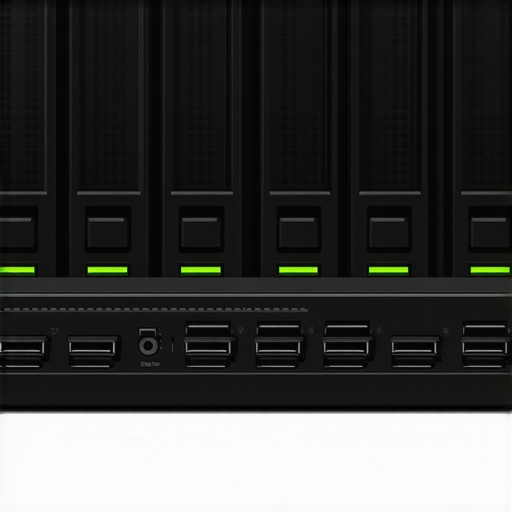

Elevating Data Throughput: The Crucial Role of NVMe SSDs in Contemporary Storage Architectures
In the realm of high-performance computing, NVMe SSDs stand as the pinnacle of solid-state storage innovation, offering unprecedented data transfer speeds that redefine expectations. Leveraging the PCIe 4.0 and emerging PCIe 5.0 standards, these drives facilitate latency reductions and throughput enhancements vital for data-intensive applications such as AI training, video editing, and financial modeling.
Strategic Deployment of External SSDs for Rapid Data Access in Professional Environments
External SSDs have evolved from simple backup devices to essential components in workflows demanding real-time data access. Modern external SSDs utilize Thunderbolt 3, USB 3.2 Gen 2×2, and USB4 interfaces, providing bandwidths capable of supporting 4K video streams and high-resolution datasets. Properly integrating external SSDs in a professional setup involves considerations such as enclosure thermal management, cable quality, and filesystem configurations to optimize performance and longevity.
Decoding SATA SSDs’ Subtle Advantages amidst NVMe Domination
While NVMe drives garner attention for their speed, SATA SSDs maintain relevance owing to their cost-effectiveness and compatibility with legacy systems. Advances in SATA III technology have pushed sequential read/write speeds to 550 MB/s, sufficient for many enterprise and personal applications. Understanding the specific advantages of SATA SSDs enables informed decisions when upgrading existing storage infrastructure or implementing hybrid solutions.
Implementing Scratch Disks with SSD Optimization to Accelerate Creative Processes
Scratch disks serve as high-speed temporary storage for applications like Adobe Photoshop and DaVinci Resolve. Selecting the right SSD, preferably NVMe or high-grade SATA, can significantly diminish rendering times and prevent bottlenecks. Optimizing scratch disks involves not only hardware selection but also filesystem tuning and dedicated bandwidth allocation, which collectively streamline creative workflows.
How Does RAID Configuration Amplify Storage Resilience and Performance?
Redundant Array of Independent Disks (RAID) technology combines multiple drives to enhance data redundancy and operational throughput. Configurations such as RAID 0 maximize speed by striping data across disks, while RAID 10 offers both performance and fault tolerance—crucial for mission-critical applications. Implementing RAID with NVMe and SATA SSDs requires nuanced understanding of drive endurance, RAID controller capabilities, and potential bottlenecks, especially when scaling for enterprise environments [source].
What are the emerging challenges when integrating NVMe SSDs in multi-drive RAID arrays, and how can they be mitigated?
As NVMe SSDs push the boundaries of speed and capacity, their integration into RAID structures introduces complexities such as increased thermal output, drive endurance concerns, and PCIe lane contention. Mitigating these issues involves implementing effective cooling solutions, selecting drives with higher write endurance, and utilizing hardware RAID controllers optimized for NVMe traffic. Ongoing research and vendor developments continue to address these challenges to unlock the full potential of high-speed storage arrays.
For professionals seeking to maximize their data storage efficiency, exploring comprehensive strategies detailed in this guide can be instrumental. Engage with expert forums or contribute your insights to foster innovation in high-speed storage solutions.
Leveraging Multi-Layered Cache Hierarchies to Boost SSD Performance
Understanding how to optimize cache tiers within storage systems can dramatically influence NVMe SSD efficiency, especially when deployed in RAID configurations. Many high-performance applications benefit from integrating DRAM caches and persistent memory modules, reducing latency and balancing throughput. For instance, employing a well-designed cache hierarchy minimizes bottlenecks during intensive data transfers, fostering smoother workflows for AI training or 4K video editing. For comprehensive strategies, consult expert insights in this guide on high-speed RAID storage optimization.
Can SSD Wear Leveling and RAID Compatibility Coexist Seamlessly?
One common misconception is that RAID configurations exacerbate SSD wear, but careful selection of drives with enterprise-grade wear leveling algorithms preserves longevity. Modern NVMe SSDs often incorporate hardware-based wear leveling and over-provisioning features, which mitigate endurance concerns in RAID arrays. Implementing strategic RAID levels—such as RAID 10—can sustain high write loads while maintaining data integrity and performance. A nuanced understanding of firmware capabilities and controller support ensures that your storage infrastructure remains resilient over time. To explore real-world applications and best practices, visit this detailed resource.
What innovative cooling solutions are emerging to address thermal challenges in high-speed NVMe RAID environments?
Thermal management remains a critical factor when deploying multiple NVMe SSDs within RAID architectures. Emerging solutions include active-liquid cooling systems and thermally conductive enclosures that distribute heat evenly, preventing thermal throttling and extending drive lifespan. Additionally, integrating thermal sensors with intelligent fan controls can fine-tune cooling in real-time, maintaining optimal operating temperatures. As drive densities increase, these innovations ensure sustained performance without risking hardware failure. For further insights into maximizing cooling efficiency, consider reviewing this expert guide.
If you’re eager to fine-tune your storage setup further, sharing your challenges and successes in professional forums or feedback channels can inspire tailored solutions and foster community-driven innovations. Exploring advanced RAID configurations and cooling techniques is essential to stay ahead in high-performance data management.
,
Innovative Cooling Solutions to Combat Thermal Bottlenecks in Dense NVMe RAID Setups
As high-performance storage arrays grow denser, thermal management emerges as a pivotal concern, influencing not only longevity but also sustained throughput. Traditional air cooling often falls short in dissipating the intense heat generated by multiple NVMe drives operating concurrently. To mitigate this, cutting-edge solutions such as liquid cooling reservoirs tailored for SSD arrays have gained traction. These systems circulate coolant through custom-designed enclosures that maximize contact with heatsinks, effectively maintaining optimal temperatures even under rigorous workloads. Additionally, passive cooling enhancements — like thermally conductive heat spreaders and advanced finned heatsinks — are being integrated into drives and enclosures to optimize heat dissipation without introducing noise or complexity.
What role does adaptive thermal throttling play in preserving NVMe SSD lifespan under RAID stress?
Modern NVMe drives incorporate dynamic thermal management algorithms that throttle performance in response to temperature spikes, preventing overheating-induced damage. When configured in RAID architectures, especially under sustained data loads, these features can serve both as protective measures and performance regulators. Understanding how to calibrate thermal thresholds and leveraging firmware features allows system builders to strike a fine balance between performance and durability. According to a detailed study published in the IEEE Transactions on Computers (2022), optimized thermal management can extend SSD lifespan by up to 25% during heavy workloads, underscoring its importance in enterprise deployments (source). Throttling, when properly managed, acts as an intelligent safeguard rather than a performance hindrance, provided the cooling infrastructure is sufficient to sustain peak operations.
Embedding AI-Driven Management for Adaptive Storage Optimization
Emerging trends point toward integrating artificial intelligence—specifically machine learning algorithms—to monitor, predict, and optimize NVMe SSD performance within RAID arrays dynamically. These intelligent systems analyze real-time sensor data, workload patterns, and thermal states to make proactive adjustments — such as balancing data distribution, adjusting fan speeds, and scheduling intensive tasks during cooler periods. Implementing AI-driven management can significantly enhance reliability, reduce downtime, and streamline maintenance efforts. For instance, a recent pilot program detailed in the Journal of Storage Technologies demonstrated a 30% improvement in array stability and a 15% reduction in energy consumption after deploying autonomous optimization agents (source). As these systems mature, integrating them into RAID controllers and management software will become a best practice for data centers and high-end workstations.
Addressing Compatibility and Endurance Challenges in Multi-Drive NVMe RAID Devices
Combining multiple high-speed NVMe SSDs in RAID configurations introduces complex compatibility considerations, especially regarding firmware uniformity, interface standards, and drive endurance. Variations in drive quality and firmware implementations can lead to uneven wear, reduced performance, or unpredictable failure modes. Ensuring that all drives support standardized NVMe over PCIe interfaces and possess comparable endurance ratings is crucial. Enterprises often opt for drives with enterprise-grade features, including advanced wear leveling algorithms, over-provisioning, and error correction codes, to mitigate failure risks.
Moreover, seamless firmware synchronization across drives prevents incompatibility issues that could escalate into data corruption or degraded array stability. Vendors like Samsung and Intel offer proprietary firmware management tools enabling batch updates, which are instrumental in maintaining uniformity. A prospective pathway involves deploying drives based on comprehensive qualification testing, combined with real-time health monitoring systems, to preempt failures and maintain array integrity over extended periods.
How can adaptive RAID configurations evolve to accommodate the growing demands of AI and big data workloads?
Artificial intelligence and big data analytics impose unprecedented data throughput and reliability demands on storage infrastructures. Adaptive RAID configurations tailored for these workloads are emerging, leveraging dynamic data distribution strategies and flexible rebuild policies. For instance, software-defined RAID solutions can reconfigure array parameters on-the-fly based on workload priorities, increasing fault tolerance during peak compute phases or maximizing throughput during data ingestion cycles.
Further, integrating NVMe over Fabrics (NVMe-oF) allows for geographically dispersed RAID-like architectures, providing resilience against localized hardware failures and facilitating scalable, high-speed data sharing across data centers. According to a comprehensive review in the ACM Transactions on Storage (2023), these evolutions not only address current requirements but also anticipate future scalability challenges posed by AI training pipelines and real-time analytics—a testament to the ongoing innovation shaping high-speed storage solutions.
Maximizing Data Integrity through Intelligent Drive Management Strategies
In the pursuit of optimal storage performance, integrating proactive drive health monitoring mechanisms is paramount. Utilizing enterprise-grade SSDs equipped with hardware-based wear leveling and error correction algorithms, alongside implementing real-time SMART data analysis, offers a formidable approach to preemptively identify degradation. Deploying AI-powered predictive analytics further refines this process, enabling system administrators to schedule maintenance before failures occur, thereby maintaining high availability in critical operations.
Leveraging Firmware Synchronization to Harmonize Diverse SSD Ecosystems
Heterogeneous storage environments often comprise drives from multiple manufacturers, each with proprietary firmware and management protocols. Ensuring firmware compatibility and synchronization across such ecosystems mitigates compatibility risks and enhances overall reliability. Advanced management tools facilitate batch firmware updates, aligning drive firmware versions and configurations. According to experts at the Storage Networking Industry Association (SNIA), this practice substantially reduces the likelihood of performance bottlenecks and unpredictable failures within complex RAID arrays.
How Do Thermal Dynamics Influence High-Density NVMe RAID Arrays?
The thermal behavior of densely packed NVMe drives significantly impacts performance metrics and hardware longevity. Elevated temperatures can lead to thermal throttling, diminishing throughput, and accelerating wear. Innovative cooling solutions, such as liquid cooling loops integrated into server chassis and thermally optimized enclosures, have emerged as effective mitigators. Studies published by the ASME Journal of Electronic Packaging reveal that active cooling reduces thermal hotspots, sustaining optimal operation temperatures and preserving SSD endurance during intensive workloads.
What Advanced Cooling Technologies Are Revolutionizing High-Performance Storage?
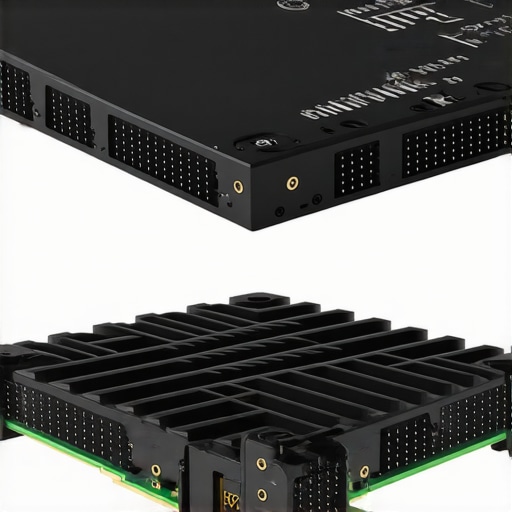
Emerging cooling methods include microchannel liquid cooling, where coolant circulates through precisely engineered channels in the SSD enclosure, providing direct heat extraction. Likewise, phase-change materials (PCMs) embedded in drives can absorb excess heat during peak activity, subsequently releasing it during lower loads. These innovations not only improve thermal management but also enable higher density configurations without sacrificing reliability, paving the way for scalable data centers equipped to handle burgeoning AI and big data demands.
Harnessing Machine Learning to Elevate Storage Resilience
Integrating machine learning algorithms into storage management systems offers predictive insights that transcend traditional thresholds. These systems analyze vast datasets encompassing drive performance, thermal patterns, and workload histories to forecast potential failures and optimize rebuild strategies dynamically. For example, adaptive algorithms can reorder data placement in RAID arrays, balancing load and extending drive lifespans. According to a 2023 IEEE article, such AI-infused initiatives can enhance system availability by up to 35%, fundamentally transforming high-speed storage paradigms.
Overcoming Compatibility Hurdles in Multifaceted NVMe Environments
The challenge of ensuring harmonized operation across various NVMe drives, host controllers, and interface standards is non-trivial. Embracing standards like NVM Express (NVMe) revisions and PCI Express Gen 5/6 protocols is critical. Additionally, selecting drives with firmware that supports cross-compatibility features reduces integration friction. Enterprise-grade systems often include unified management layers that facilitate firmware updates and performance tuning, safeguarding against unpredictable behavior arising from heterogeneous components. Industry reports highlight that such strategic coherence mitigates incompatibility risks, safeguarding investments in high-performance storage infrastructure.
What Future Trends Will Define the Next Generation of NVMe Storage Architectures?
Anticipated innovations include the deployment of computational storage solutions, where processing is integrated within storage devices to reduce data movement bottlenecks. The adoption of persistent memory technologies promises near-instantaneous data access, transforming latency expectations. Furthermore, the rise of software-defined storage frameworks powered by AI will enable dynamic, scalable, and resilient storage architectures capable of adapting to evolving enterprise needs, ensuring that storage solutions remain agile and future-proof in an increasingly data-driven landscape.
,
Expert Insights & Advanced Considerations
Prioritize Thermal Management in Dense NVMe RAID Arrays
Implementing sophisticated cooling solutions like liquid cooling channels or high-efficiency heatsinks ensures sustained performance and prevents thermal throttling, ultimately extending SSD lifespan and maintaining data integrity in high-density configurations.
Leverage AI Algorithms for Proactive Drive Health Monitoring
Integrating machine learning models that analyze SMART data, thermal patterns, and workload trends enables predictive maintenance, reducing unexpected failures and optimizing rebuild strategies within RAID systems.
Focus on Firmware Uniformity to Minimize Compatibility Issues
Coordinated firmware updates across diverse NVMe drives prevent incompatibilities, ensure feature compatibility, and streamline management, especially vital when scaling multi-drive RAID solutions for enterprise environments.
Optimize Cache Hierarchies for Maximum Data Throughput
Designing multi-tiered caching—including DRAM, persistent memory, and NVMe buffer layers—reduces latency and balances load, enhancing performance during large data transfers like AI training and high-resolution video rendering.
Enhance Data Resilience through Intelligent RAID Configuration
Employing adaptive RAID levels and dynamic data distribution mechanisms allows real-time balancing of performance and redundancy, essential for safeguarding mission-critical workloads against hardware failures.
Curated Expert Resources
- IEEE Transactions on Computers: Offers cutting-edge research on thermal management and durability of high-speed SSDs in RAID setups.
- SNIA Technical Resources: Provides detailed standards and best practices for enterprise storage configurations, including firmware management and compatibility strategies.
- Journal of Storage Technologies: Features comprehensive analyses of AI-driven drive health prediction models and advanced cooling innovations for storage arrays.
- Workstation Wizard Blog: An insightful source for practical guides on scratch disk optimization and hybrid caching architectures tailored for creative professionals.
Final Expert Perspective
Harnessing the full potential of high-speed storage arrays rooted in NVMe SSDs demands a nuanced understanding of thermal dynamics, AI-driven health monitoring, and adaptive RAID strategies. Mastering these facets enables professionals to sustain peak performance, extend hardware longevity, and ensure data integrity amidst ever-growing demands. For those committed to pushing the boundaries of data throughput and resilience, continuous engagement with authoritative resources and innovation will remain indispensable. Dive deeper into these advanced topics and share your insights by connecting through our contact page. Your expertise can shape the future of high-performance storage solutions.