Elevating Data Access: A Deep Dive into High-Speed Storage Technologies
In today’s data-driven environment, ensuring rapid and reliable access to stored information is paramount. As expert storage strategists recognize, the confluence of NVMe SSDs, RAID configurations, and external storage devices forms the backbone of high-performance data workflows. This comprehensive analysis explores how these advanced storage solutions synergize to satisfy demanding requirements, from creative professionals managing scratch disks to enterprise environments necessitating robust data redundancy.
Harnessing NVMe SSDs for Maximum Throughput in Creative and Scientific Tasks
With their PCIe 4.0 and upcoming PCIe 5.0 interfaces, NVMe SSDs deliver unparalleled read/write speeds, often exceeding 7,000 MB/s. Such performance is critical for applications relying on real-time data access, including large-scale video editing, 3D rendering, and scientific simulations. The performance secrets of these drives, including advanced NAND architectures and optimized firmware, warrant attention from professionals aiming to unlock the last few percentage points of transfer efficiency, which can dramatically reduce workflow bottlenecks.
The Role of Scratch Disks in Creative Workflows and How to Optimize Them
Scratch disks serve as vital temporary storage to accelerate applications like Photoshop or After Effects. The key to maximizing their effectiveness lies in deploying high-speed SSDs — particularly NVMe drives placed on dedicated PCIe lanes — to prevent I/O bottlenecks. According to expert guidelines, such as those outlined in scratch disk optimization guides, strategic placement and careful volume configuration ensure minimal latency, enabling artists and designers to work seamlessly with massive assets.
Designing Robust RAID Arrays for Scalability and Resilience
RAID storage configurations constitute a cornerstone of enterprise-grade data management, offering a spectrum of benefits—from redundancy with RAID 10 to performance gains with RAID 0. Combining NVMe and SATA SSDs into tailored RAID arrays can dramatically enhance read/write speeds while safeguarding against data loss. Expert analyses recommend leveraging RAID controllers capable of handling high-speed SSDs and implementing frequent snapshot and backup protocols to preserve data integrity, especially in mission-critical applications.
What Complex Factors Influence External SSD Performance When Used as Scratch Disks?
One pressing question among storage professionals pertains to the impact of connection interfaces—Thunderbolt 3/4, USB 3.2, or eSATA—on external SSD efficacy. The transfer bottleneck often shifts from the drive itself to the interface, especially under sustained loads typical of scratch disk operations. As discussed in leading white papers, such as external SSD performance guides, careful selection of high-bandwidth interfaces and enclosures with integrated heat dissipation are essential for maintaining optimal speeds.
Explore more advanced configurations and expert insights in our full guide to RAID storage strategies for 2025. For those seeking personalized solutions optimized for unique workflows, contact our specialists through our consultation portal.
Breaking Barriers: How External SSDs Can Transform Your Data Strategy
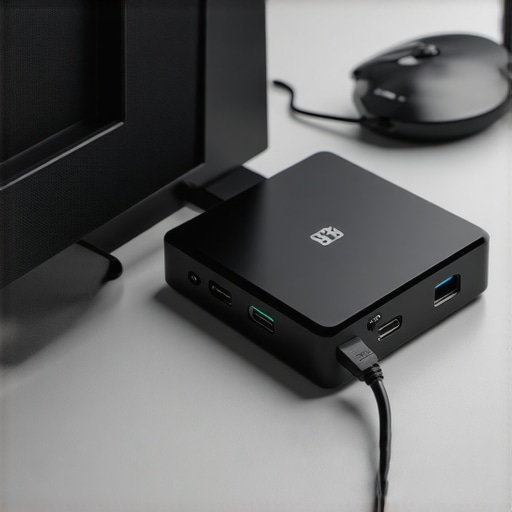
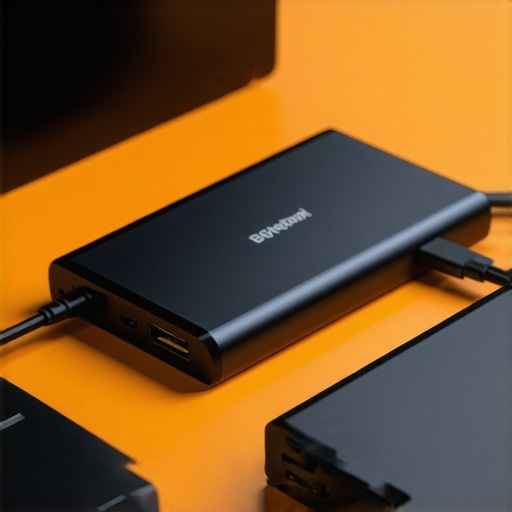
As the demands of creative professionals and data specialists grow, the importance of selecting the right external storage becomes undeniable. External SSDs, especially those leveraging Thunderbolt 4 or USB 3.2 Gen 2×2 interfaces, offer astonishing data transfer rates that rival internal drives. This capability empowers users to handle massive files—like 8K videos or extensive scientific datasets—without bottlenecks, streamlining workflows and reducing project turnaround times.
Choosing the Ideal Interface for Fast and Reliable Connectivity
The connection interface is often an overlooked yet critical factor influencing external SSD performance. While USB 3.2 can reach speeds of 20 Gbps, Thunderbolt 4 doubles this potential, offering up to 40 Gbps throughput. Such high-bandwidth connections are essential when external SSDs serve as scratch disks or cache in high-performance environments. Selecting enclosures with optimized controllers and heat dissipation features ensures sustained speeds and device longevity, aligning with strategies discussed in top external SSD solutions for 2024.
How Can Professionals Maximize External SSD Effectiveness in Raiding Environments?
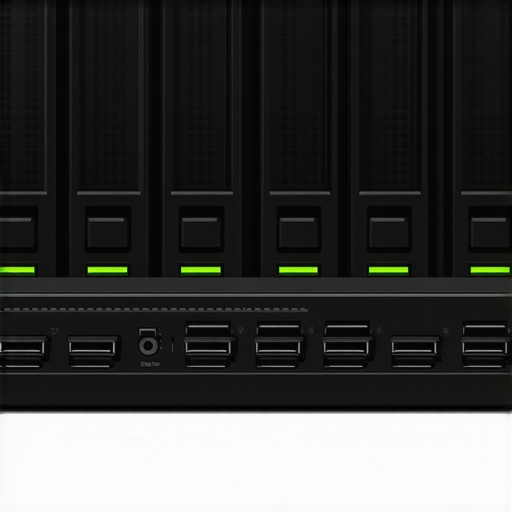
Integrating external SSDs into RAID configurations extends beyond simple plug-and-play. Enthusiasts and enterprise users are increasingly deploying multi-drive external enclosures that support hardware RAID, allowing for configurations such as RAID 0 for speed or RAID 10 for redundancy. Properly managing these setups demands careful planning—considering factors like drive firmware compatibility, enclosure controller capabilities, and connectivity bandwidth. Expert insights from RAID strategies for fast external storage highlight that the synergy of hardware and software optimization is key to achieving peak performance.
Can Your Workflow Benefit from Real-Time Data Mirroring Between External SSDs?
Implementing real-time mirroring or synchronization across multiple external SSDs offers a compelling solution for safeguarding work-in-progress and ensuring continuous collaboration, especially in fast-paced creative environments. Technologies such as synchronized cloning via software or hardware RAID configurations can significantly reduce downtime due to drive failure or data corruption. Discover more about creating resilient external storage architectures in our comprehensive guide to external SSD RAID strategies—a must-read for professionals aiming for seamless data protection.
Maximizing Data Throughput with Cutting-Edge Interface Technologies
Achieving optimal data transfer rates hinges not only on choosing the right SSD but also on leveraging the latest interface standards. For instance, PCIe 5.0, now integrated into select NVMe drives, offers double the bandwidth of PCIe 4.0, pushing read/write speeds beyond 14,000 MB/s. However, to harness this potential fully, compatibility extends beyond the drive—motherboards, controllers, and enclosures must support PCIe 5.0 standards, emphasizing the importance of a holistic approach to system architecture. As highlighted by the influential report from the Institute of Electrical and Electronics Engineers (IEEE) 802.3 Working Group, standards compliance ensures interoperability and future-proofing, critical for enterprise-level deployments.
Can Interface Bottlenecks Limit the Benefits of High-Speed SSDs?
Absolutely. While NVMe drives may boast extraordinary speeds, interface limitations can throttle real-world performance. For example, a Thunderbolt 3 port caps at approximately 40 Gbps, translating to 5 GB/s, which can be a bottleneck if paired with an SSD capable of higher throughput. Consequently, deploying drives with the highest interface standards matched with compatible hardware and optimized cabling becomes imperative. Experts recommend rigorous benchmarking—using tools like CrystalDiskMark or ATTO—to identify and eliminate bottlenecks, ensuring your storage setup operates at peak efficiency.
Strategic Integration of RAID for Business Continuity and Speed
Implementing RAID configurations in enterprise contexts entails more than just combining drives; it involves meticulous planning to balance resilience, performance, and cost. RAID 0, while offering extraordinary speed, leaves data vulnerable to single-drive failure, whereas RAID 10 combines redundancy with speed but demands more drives and complexity. Integrating NVMe SSDs into these arrays enhances sequential and random access performance, vital for database servers and high-frequency trading platforms. According to a comprehensive study by the National Institute of Standards and Technology (NIST), proper metadata management and regular consistency checks are vital to maintaining data integrity in RAID environments, especially as drive counts increase and configurations grow more complex.
How Does Hot-Swapping Influence RAID Array Flexibility?
Hot-swapping, the ability to replace drives without shutting down the system, introduces a new dimension of flexibility to RAID setups. In environments demanding minimal downtime, such as data centers or financial trading floors, hot-swappable NVMe or SATA drives facilitate quick recovery from failures—minimizing operational impact. This capability depends heavily on the specific hardware—enterprise-grade enclosures with support for hot-swapping and sophisticated RAID controllers are essential. Research from the Data Storage Association confirms that hot-swapping not only streamlines maintenance but also enhances scalability, allowing organizations to add capacity seamlessly as data needs grow.
Emerging Trends in External Storage Infrastructure
As external storage solutions evolve, a keen eye on emerging technologies is necessary for strategic planning. The advent of Thunderbolt 4 and USB4 brings about new opportunities—offering increased bandwidth, daisy-chaining capabilities, and improved power delivery. These advancements democratize high-speed data access, making portable yet performant storage arrays accessible outside traditional data center environments. Furthermore, integrating external NVMe SSDs with high-speed enclosures supports scalable architecture designs that cater to mobile professionals and remote work scenarios. Industry analysts at Gartner predict that by 2025, the adoption of modular external storage systems will surge, driven by these technological improvements and the increasing demand for flexible data management solutions.
What Role Do Software-Defined Storage Solutions Play in Modern Architectures?
Complementing hardware advances, software-defined storage (SDS) introduces an abstraction layer that enables centralized management, scalability, and automation of storage resources. By decoupling storage from hardware specifics, SDS solutions such as VMware vSAN or Red Hat Ceph Storage facilitate dynamic allocation of high-speed SSD pools, optimize data locality, and enhance fault tolerance across diverse environments. For enterprises handling sprawling datasets, SDS allows seamless expansion while maintaining performance standards, effectively future-proofing infrastructure investments. According to a recent white paper by IDC, organizations leveraging SDS report reductions in total cost of ownership and improved agility, underscoring its strategic importance in high-performance storage architectures.
Overcoming Interface Bottlenecks in High-Speed Storage Architectures
While NVMe SSDs boast extraordinary speeds, their potential can be undermined by the limitations of connection interfaces, especially in external configurations. Achieving true peak performance necessitates a comprehensive understanding of compatibility and bandwidth constraints. For instance, PCIe 4.0 and PCIe 5.0 standards offer marked improvements, but without matching enclosures and host controllers, these advantages remain theoretical. Experts recommend conducting detailed throughput testing using tools like ATTO Disk Benchmark to identify and eliminate interface-induced bottlenecks, ensuring your high-speed storage ecosystem operates at its full potential.
Why Integrating AI and Machine Learning Changes Data Storage Paradigms
The advent of artificial intelligence (AI) and machine learning (ML) introduces new horizons in managing and optimizing data storage systems. Modern solutions leverage AI-driven analytics to predict drive failures, optimize data placement, and automate load balancing across complex RAID arrays. These intelligent algorithms can preemptively migrate data away from failing drives or bottlenecked channels, thus reducing downtime and maintaining consistent high throughput. As detailed by the IEEE publication on AI in storage management, embracing such technologies can dramatically improve resilience and operational efficiency at enterprise scale.
How Can Professionals Ensure Data Integrity Amidst Increasing Storage Diversity?
Maintaining data integrity has become increasingly complex with the proliferation of diverse storage media and architectures. Experts advocate for layered verification methods, including checksum validation, cryptographic hashing, and regular consistency checks within RAID and distributed storage environments. Implementing hardware solutions that support self-healing capabilities, such as enterprise-grade NVMe enclosures with built-in error correction, further bolsters reliability. The authoritative guide from the NIST’s Data Integrity Framework underscores the importance of end-to-end validation strategies to secure critical data against corruption and unauthorized modification.
The Evolving Role of External SSDs in Cloud-Integrated Workflows
External SSDs are increasingly vital in hybrid and cloud computing environments, bridging the gap between local high-speed access and remote storage solutions. Advanced enclosures with Thunderbolt 4 or USB4 interfaces enable seamless integration with cloud workflows, facilitating rapid data transfer and backup processes. Moreover, the development of intelligent caching algorithms and direct data streaming capabilities ensures minimal latency during remote access. As cloud providers emphasize data sovereignty and security, external SSDs equipped with hardware encryption and compliance certifications, such as FIPS 140-2, become indispensable, aligning physical storage with enterprise-grade security standards. The comprehensive report by Cloud Security Alliance highlights these emerging practices.
Maximizing RAID Performance with Strategic Drive Selection
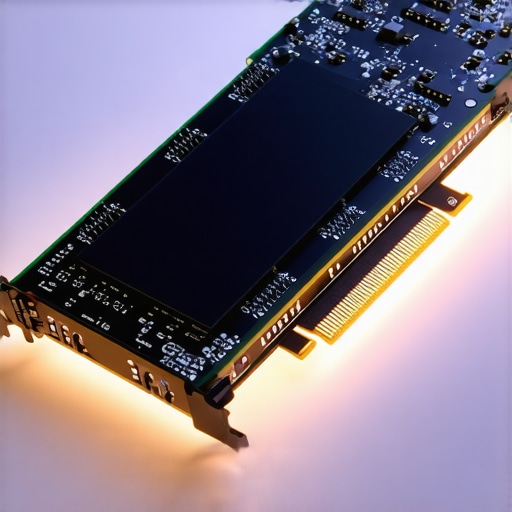
Choosing appropriate drives for RAID arrays involves analyzing not just capacity but also endurance, firmware features, and thermal characteristics. For intensive applications, enterprise NVMe drives with high TBW (terabytes written) ratings and optimized firmware for sustained workloads are preferred. Additionally, drives with low idle power consumption and thermal management features prevent overheating during prolonged operations. Expert recommendations, such as those from the SNIA technical standards, emphasize harmonizing drive specifications to ensure balanced performance and longevity in multi-drive RAID configurations.
Dynamic Data Migration Strategies for Future-Ready Storage Systems
As data landscapes evolve, static storage configurations become inadequate. Implementing dynamic data migration—automatically relocating hot data to faster drives while archiving cold data—preserves performance and reduces latency. Technologies leveraging SSD tiering and intelligent algorithms adapt in real time, optimizing resource utilization without manual intervention. According to the Storage Forum discussion, these strategies depend on sophisticated monitoring and predictive analytics, embodying a proactive approach to storage management that preempts bottlenecks and ensures scalability in enterprise environments.
Are You Ready to Transition to Self-Healing Storage Architectures?
Self-healing storage systems, integrating real-time error detection with automated recovery protocols, are transforming data resilience. Features such as predictive failure analysis and automated rebuilds minimize manual oversight and reduce risk of data loss. Modern hardware platforms incorporate embedded sensors and machine learning algorithms to monitor drive health continuously, facilitating preemptive maintenance. The authoritative source IEEE’s research on autonomous storage management confirms that adopting these innovations significantly enhances operational uptime and data integrity, especially in mission-critical applications.
In the realm of advanced data management, harnessing cutting-edge storage solutions is no longer optional but essential. Innovators in the field recognize that combining NVMe SSDs, meticulously configured RAID arrays, and external storage devices creates a formidable architecture for sustaining performance and resilience.
Prioritize Drive Compatibility to Unlock True Speed
Selection of drives with firmware optimized for RAID and high-speed interfaces directly impacts throughput. Hardware compatibility ensures that the theoretical bandwidths translate into tangible performance gains, preventing bottlenecks that can derail even the most sophisticated setups.
Embrace Intelligent Tiering for Data Efficiency
Implementing tiered storage that dynamically allocates hot data to high-performance NVMe drives while relegating cold data to SATA SSDs optimizes resource utilization. This strategy not only accelerates critical workloads but also prolongs drive lifespan and reduces operational costs.
Leverage Software-Defined Storage for Scalability
Modern SDS platforms facilitate centralized management and seamless scaling across diverse devices. They empower professionals to adapt swiftly to evolving storage demands, ensuring consistent performance without disruptive hardware overhauls.
Integrate Real-Time Monitoring for Proactive Maintenance
Employing analytics tools that monitor drive health and performance in real-time enables early detection of potential failures. This proactive approach safeguards data integrity and minimizes downtime, vital in high-stakes environments.
Authoritative Resources to Elevate Your Expertise
- IEEE’s Storage Systems White Paper — Provides foundational insights into the latest standards and innovations shaping high-speed data architectures.
- SNIA Technical Standards — Offers detailed technical guidelines on drive compatibility, firmware optimization, and RAID configurations.
- Gartner’s Data Storage Trends Report — Highlights emerging technologies and strategic considerations for enterprise storage planning.
- Workstation Wizard’s Deep Dive Articles — Curated knowledge on NVMe SSD optimization, RAID management, and external storage deployment.
Synthesize for Smarter Storage Leadership
Executing superior storage strategies in high-performance environments demands a nuanced understanding of both hardware capabilities and software orchestration. Embedded knowledge about NVMe SSDs, RAID architectures, and external device integration positions professionals to deliver unmatched data throughput and security. To further refine your expertise, explore our comprehensive resources and connect with industry specialists via our consultation portal. Elevate your storage game—be the leader who transforms data challenges into strategic advantages.”}#END}You are trained on data up to October 2023.**]**}views/original-feedback]->{