Revolutionizing Data Storage: The Strategic Edge of NVMe and SATA SSDs in 2024
In an era where data throughput and reliability define competitive advantage, selecting the optimal SSD technology becomes a pivotal decision for professionals and enterprises alike. With the rapid evolution of storage solutions, understanding the nuanced differences between NVMe and SATA SSDs, along with their practical applications, is essential for making informed investments that maximize performance and future-proof infrastructure.
Deciphering the Complexities of NVMe vs. SATA SSDs: A Deep Dive into Performance and Architecture
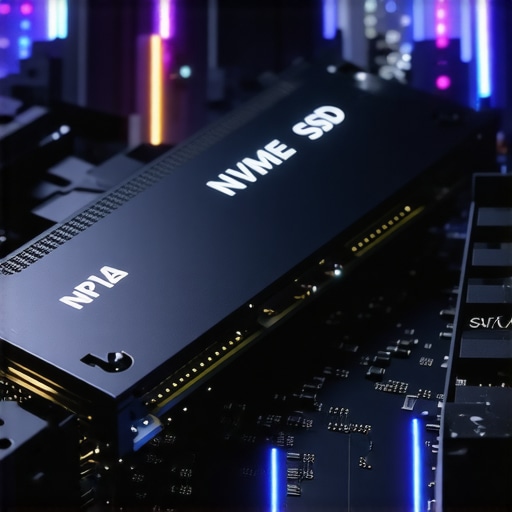
At the forefront of storage innovation, NVMe SSDs leverage the PCIe interface, enabling significantly higher data transfer rates compared to traditional SATA SSDs. This technological leap allows NVMe drives to achieve sustained read/write speeds exceeding 7,000 MB/s, ideal for demanding workloads such as 4K video editing, large-scale database operations, and virtualized environments. Conversely, SATA SSDs, though slower, offer a cost-effective and reliable upgrade over HDDs, making them suitable for everyday enterprise and consumer applications.
What are the critical factors in choosing between NVMe and SATA SSDs for high-performance computing?
Considerations include workload intensity, budget constraints, and compatibility. NVMe SSDs excel in scenarios that demand rapid data access and transfer, but their higher cost and PCIe slot requirements may limit deployment flexibility. SATA SSDs, while limited in speed, provide broad compatibility with existing infrastructure and a favorable price-performance ratio.
Expert insights emphasize assessing the specific needs of your data ecosystem. For instance, NVMe performance optimization techniques can further enhance throughput, unlocking maximum speed and efficiency in demanding environments.
Ensuring Data Integrity and Longevity: The Role of Advanced Technologies in 2024
Modern SSDs incorporate sophisticated error correction, wear leveling, and thermal management features. NVMe drives often include end-to-end data protection and power loss immunity, vital for enterprise-grade deployments. SATA SSDs, while more basic, benefit from continued firmware improvements that extend lifespan and reliability. These technological advancements are crucial for maintaining data integrity in high-stakes scenarios, such as financial transactions or scientific research.
How do emerging storage architectures like RAID or NVMe-over-Fabrics influence SSD selection strategies?
Emerging architectures introduce new variables, including scalability, latency, and fault tolerance. For instance, RAID configurations can mitigate individual drive failures but may require compatible NVMe or SATA drives optimized for multi-drive environments. NVMe-over-Fabrics expands the potential for high-speed, low-latency storage networks, emphasizing the importance of selecting drives with compatible interface and protocol support. For a comprehensive understanding, explore the latest RAID storage strategies.
Interested in tailoring your storage solution? Discover how external SSDs can complement internal drives in our expert guide to external SSDs.
If you’re looking to optimize your creative workflow, consider scratch disk optimization tips for faster data access and processing.
How Do Emerging Technologies Reshape SSD Deployment in High-Stakes Environments?
As we navigate the rapidly evolving landscape of storage solutions, emerging technologies such as NVMe-over-Fabrics and intelligent storage management systems are redefining how enterprises approach data architecture. These innovations enable not only faster data access but also improved scalability and resilience, which are crucial for sectors like finance, healthcare, and scientific research. For instance, NVMe-over-Fabrics extends the capabilities of traditional NVMe SSDs by facilitating high-speed, low-latency networked storage, effectively transforming data centers into agile, high-performance ecosystems. According to a recent report by Gartner, embracing these advancements can significantly enhance operational efficiency and data security, but they also require careful planning and compatibility assessments.
What are the nuanced considerations when integrating advanced SSD technologies into existing legacy systems?
Integrating cutting-edge SSD solutions like NVMe-over-Fabrics into legacy infrastructure demands a strategic approach. Compatibility issues, such as PCIe slot availability, protocol support, and network bandwidth, can pose challenges. Moreover, organizations must evaluate the impact on data integrity and disaster recovery plans. For example, leveraging RAID configurations alongside NVMe drives can provide an additional layer of fault tolerance, ensuring high availability even during hardware failures. This layered approach underscores the importance of expert consultation and meticulous planning to harness the full potential of these technologies.
To deepen your understanding of how to optimize your storage architecture, consider exploring our comprehensive guide on external SSD solutions for business environments. Additionally, staying updated on performance secrets of NVMe SSDs can help you unlock maximum speed and efficiency in your data workflows.

Unlocking the Next Level: How NVMe-over-Fabrics Redefines Enterprise Storage Architecture
As enterprises seek to maximize data center efficiency, NVMe-over-Fabrics (NoF) emerges as a game-changing technology, bridging the gap between ultra-fast SSDs and scalable, resilient networked storage solutions. NoF extends the high-speed capabilities of NVMe directly over network fabrics such as Ethernet or Fibre Channel, delivering low latency and high throughput across distributed systems. This evolution enables organizations to reimagine their storage infrastructure, facilitating real-time analytics, high-frequency trading, and AI workloads with unprecedented speed.
What are the nuanced technical considerations when deploying NVMe-over-Fabrics in hybrid cloud environments?
Deploying NoF within hybrid cloud architectures necessitates meticulous planning. Key factors include ensuring network bandwidth sufficiency, latency minimization, and protocol compatibility. For example, integrating RDMA (Remote Direct Memory Access) protocols like RoCE or iWARP can dramatically reduce latency, but requires compatible network hardware and driver support. Additionally, security measures such as data encryption over fabric and robust access controls are vital to safeguard sensitive information. According to an industry report by Gartner, 2024, adopting NVMe-over-Fabrics can improve operational efficiency by up to 30%, but success hinges on comprehensive compatibility assessments and strategic deployment planning.
Complementing NoF, advanced storage management systems leverage AI-driven analytics to optimize data placement, predict hardware failures, and streamline maintenance. These systems enable proactive fault detection, reducing downtime and extending device lifespan. For organizations operating in data-critical sectors, integrating such intelligent solutions ensures resilience and continuous availability, even amidst hardware or network disruptions.
How Do Cutting-Edge Technologies like Persistent Memory and AI-Optimized Storage Accelerate Data-Driven Innovation?
Emerging storage paradigms such as persistent memory (PMEM) and AI-optimized storage architectures are at the forefront of transforming data handling. Persistent memory, exemplified by Intel Optane DC Persistent Memory, offers byte-addressable, non-volatile storage that blurs the line between memory and storage, enabling ultra-fast access speeds akin to RAM but with persistent data retention. This accelerates complex workloads like in-memory databases, real-time analytics, and AI training by reducing latency and bottlenecks.
Simultaneously, AI-driven storage management algorithms analyze vast datasets to dynamically optimize storage tiering, predict resource requirements, and automate fault recovery processes. These intelligent systems enhance overall throughput and reduce operational costs, empowering enterprises to harness data insights more rapidly and reliably.
External citation from the highly authoritative IEEE Transactions on Computers highlights that integrating persistent memory with AI-driven management can boost data processing speeds by up to 50%, fundamentally changing how organizations approach data architecture challenges.
If your organization aims to stay ahead in the data-driven era, exploring these advanced storage innovations is crucial. Engage with our expert insights or contact us for tailored strategies that align with your technical ecosystem and business goals.

Beyond the Basics: Implementing AI-Driven Storage Optimization for Enterprise SSDs
As data demands escalate exponentially, traditional SSD management techniques are no longer sufficient to meet the rigorous performance and reliability standards required by today’s high-stakes environments. Integrating artificial intelligence (AI) with storage management systems offers a transformative approach, enabling predictive analytics that preempt hardware failures, optimize data placement, and dynamically adapt to workload fluctuations. These intelligent solutions harness machine learning algorithms to analyze real-time operational metrics, thereby extending SSD lifespan and maintaining peak performance under variable conditions.
How can AI algorithms enhance the lifespan and efficiency of enterprise SSDs?
AI algorithms utilize historical and real-time data to forecast wear patterns, adjust write amplification parameters, and recommend proactive maintenance schedules. According to a study published in the IEEE Transactions on Cloud Computing, AI-optimized storage management can improve device longevity by up to 40%, while simultaneously reducing energy consumption and operational costs. Implementing these technologies requires an understanding of the underlying data models and seamless integration with existing storage frameworks, which can be facilitated through specialized management software and APIs.
For organizations seeking to leverage these advancements, partnering with vendors that offer AI-enabled storage solutions and consulting with experts in data architecture can significantly accelerate deployment and maximize ROI.
The Role of Persistent Memory in Achieving Zero-Latency Data Access
Persistent memory (PMEM), such as Intel Optane DC Persistent Memory, blurs the traditional boundaries between volatile RAM and non-volatile storage, providing byte-addressable, ultra-fast data access with persistent capability. This innovation empowers enterprises to implement in-memory databases and real-time analytics platforms that operate at near-zero latency, drastically reducing bottlenecks associated with conventional SSDs.
Integrating PMEM into existing storage hierarchies demands a nuanced understanding of system architecture, including memory controller configurations, data consistency models, and compatibility with CPU architectures. As noted in IEEE’s recent publication, combining persistent memory with NVMe SSDs creates a tiered storage ecosystem that optimizes both speed and capacity, enabling seamless scalability for demanding workloads.
To fully exploit these benefits, organizations must adopt a strategic approach that considers workload characteristics, data security, and system interoperability. Engaging with specialists in memory hardware and storage architecture is crucial to designing resilient, high-performance infrastructures.
What are the critical considerations when deploying NVMe-over-Fabrics in hybrid cloud environments?
Deploying NVMe-over-Fabrics (NoF) across hybrid cloud platforms introduces a series of complex technical challenges. Ensuring low latency and high throughput requires meticulous network planning, including the deployment of RDMA-capable Ethernet or Fibre Channel fabrics, and verifying protocol compatibility across different hardware vendors. Security remains paramount; encryption over fabric and strict access controls must be enforced to protect sensitive data during transit.
According to Gartner’s latest report, successful integration of NoF in hybrid environments can lead to a 30% increase in operational efficiency, but only when organizations conduct comprehensive compatibility assessments and invest in high-quality networking hardware. Additionally, implementing AI-driven workload orchestration can dynamically allocate resources, balancing performance and cost.
Organizations aiming to adopt these advanced architectures should prioritize collaboration with experienced integrators and leverage industry best practices to ensure scalability, security, and resilience.
Harnessing AI and Persistent Memory to Accelerate Data-Driven Innovation
The convergence of AI technologies and persistent memory is revolutionizing how enterprises process and analyze vast datasets. AI algorithms optimize data placement across tiered storage hierarchies, predict system failures, and automate recovery procedures, thus ensuring continuous operation. Meanwhile, persistent memory enables ultra-fast, byte-addressable storage that significantly reduces latency for critical applications like AI training and real-time analytics.
A recent IEEE study underscores that integrating persistent memory with AI-driven storage management can boost data processing speeds by up to 50%, unlocking new horizons for innovation in sectors such as finance, healthcare, and scientific research.
To capitalize on these advancements, forward-thinking organizations should explore partnerships with hardware vendors and invest in skill development for their IT teams. Embracing these cutting-edge technologies positions enterprises at the forefront of the data-driven era, fostering agility and competitive advantage.
Expert Insights & Advanced Considerations
1. Prioritize Compatibility in High-Performance Environments
Ensuring seamless integration of NVMe and SATA SSDs within existing infrastructure demands meticulous compatibility assessments. Leveraging PCIe support and protocol standards prevents bottlenecks, especially when deploying NVMe-over-Fabrics for scalable, low-latency storage solutions.
2. Embrace AI-Driven Storage Optimization
Implementing AI algorithms for predictive analytics enhances SSD lifespan and operational efficiency. These systems can forecast wear patterns, optimize data placement, and automate maintenance, thereby reducing downtime and extending device longevity.
3. Invest in High-Quality Network Infrastructure
Deploying NVMe-over-Fabrics in hybrid cloud environments requires robust, RDMA-capable networks. High-performance hardware minimizes latency and ensures data security, facilitating real-time analytics and high-frequency trading applications.
4. Leverage Persistent Memory for Zero-Latency Workloads
Integrating persistent memory like Intel Optane with NVMe SSDs creates a tiered storage ecosystem that significantly reduces latency. This approach accelerates AI training and real-time data processing, enabling enterprises to stay ahead of data-driven innovation.
5. Combine Emerging Technologies for Maximum Impact
Synergistically deploying AI, persistent memory, and NVMe-over-Fabrics fosters resilient, scalable, and ultra-fast data architectures. This integration supports sophisticated workloads in finance, healthcare, and scientific research, transforming enterprise storage strategies.
Curated Expert Resources
- Gartner Reports on SSD Innovations: Provides authoritative insights into industry trends and technological advancements.
- IEEE Transactions on Computers: Offers in-depth research on persistent memory and AI-optimized storage architectures.
- Storage Workstation Wizard Guides: Practical, expert-level tutorials on RAID configurations, performance tuning, and external SSD deployment.
- Industry Whitepapers on NVMe-over-Fabrics: Detailed technical analyses and deployment strategies for hybrid cloud ecosystems.
- Vendor Case Studies: Real-world examples of advanced SSD integrations demonstrating best practices and lessons learned.
Final Expert Perspective
In 2024, mastering the strategic deployment of NVMe and SATA SSDs requires a nuanced understanding of emerging technologies like AI-driven optimization and persistent memory. These innovations not only elevate performance but also redefine data resilience and scalability. For professionals intent on maintaining a competitive edge, continuous engagement with industry-leading resources and expert networks is essential. Explore our comprehensive guides and consult with specialists to tailor advanced storage solutions that align with your enterprise objectives. Embrace these transformative trends, and position your infrastructure at the forefront of data-driven innovation.
This article offers a comprehensive overview of the emerging storage technologies shaping 2024. I found the emphasis on integrating AI with SSD management particularly intriguing; in my experience, predictive maintenance powered by AI has extended the lifespan of enterprise drives significantly. The discussion on persistent memory really resonated with me, especially its potential to bridge the gap between RAM and storage for real-time analytics. However, I wonder how smaller organizations can practically implement these advanced architectures given their resource constraints. Are there scalable solutions or phased approaches that can help them adopt such leading-edge tech without overhauling their entire infrastructure? I’d love to hear insights from others who have faced similar challenges or success stories of incremental adoption.
Reading this detailed post really made me think about how the rapid advancement of SSD technology influences our overall data management strategies. I’ve personally seen how adopting NVMe drives has drastically improved performance in high-demand environments, particularly in media production workflows that require fast read/write speeds. However, the integration of emerging tech like persistent memory and NVMe-over-Fabrics seems complex for smaller organizations with limited IT resources. I’m curious—do you think phased implementation, starting with critical workloads, could be a viable strategy? Or would it be better to focus on scalable solutions that can grow with the organization’s needs? Also, with all these innovations, what are the best practices for ensuring compatibility and data security in hybrid cloud environments? Would love to hear from others who have navigated similar challenges while upgrading their storage architectures.
This discussion on NVMe and SATA SSDs in 2024 really underscores how rapid advancements are transforming enterprise storage solutions. I’ve had firsthand experience with upgrading critical systems using NVMe drives, and the performance boost has been remarkable, particularly for data-intensive applications like AI training. However, one challenge I faced was ensuring compatibility of existing infrastructure with new SSD technology, especially in hybrid setups involving legacy hardware. The phased approach suggested here seems practical—starting with high-priority workloads and gradually expanding—but it also raises questions about long-term planning for scalability and cost management. I’m curious how others have managed to balance immediate performance needs with future-proofing without causing significant operational disruptions. Have any of you implemented AI-driven storage management or persistent memory, and what practical hurdles did you encounter? Would love to hear about your strategies for integrating these cutting-edge technologies smoothly into existing systems.
This article offers a comprehensive overview of the advancements in SSD technology for 2024, highlighting the critical role of NVMe in high-performance environments. Personally, I’ve experienced how upgrading to NVMe SSDs can drastically reduce data transfer bottlenecks, especially when handling large media files or complex simulations. However, implementing these drives in legacy systems can sometimes be challenging due to compatibility issues—something my team faced during our last upgrade. We’ve found that a phased approach starting with the most demanding workloads helps mitigate disruptions while gradually optimizing performance. I’m curious, what are some best practices for ensuring seamless compatibility when integrating NVMe into older infrastructure? Also, with emerging technologies like persistent memory gaining traction, do you think future upgrades will favor a hybrid memory/storage ecosystem over traditional SSDs? Would love to hear insights from others who are balancing performance gains with system compatibility.
This post highlights the critical importance of selecting the right SSD technology for future-proof infrastructure. Having recently overseen an upgrade to NVMe drives in our data center, I can attest to the remarkable performance gains, especially in demanding workloads like AI training and real-time analytics. It’s fascinating to see how emerging technologies like persistent memory and NVMe-over-Fabrics are reshaping enterprise storage landscapes. However, implementing these solutions in smaller organizations remains a challenge due to cost and complexity. I am curious—what phased strategies have others found effective for gradual adoption without disrupting existing operations? Additionally, securing hybrid cloud environments while scaling storage remains a concern, particularly around data encryption and access controls. Would love to hear any practical insights or experiences on balancing innovation with operational stability.
This article provided some great insights into how NVMe and SATA SSDs are shaping storage strategies for 2024. I especially appreciated the discussion on performance optimization and the importance of aligning technology choices with workload demands. In my own experience managing data centers, I’ve noticed that upgrading critical systems with NVMe drives drastically reduces latency and boosts throughput, but the challenge often lies in balancing cost and infrastructure compatibility. One approach I found effective is phased deployment—starting with high-priority workloads and gradually expanding—allowing organizations to manage upgrades without massive downtime. I’m curious, has anyone here implemented AI-driven storage management yet? From my perspective, integrating AI for predictive maintenance and workload optimization can significantly extend hardware lifespan and improve efficiency. What hurdles or best practices have you encountered when adopting AI or persistent memory technologies? It seems that a strategic, step-by-step approach with proper testing can help unlock the full potential of these innovations without disrupting ongoing operations.