
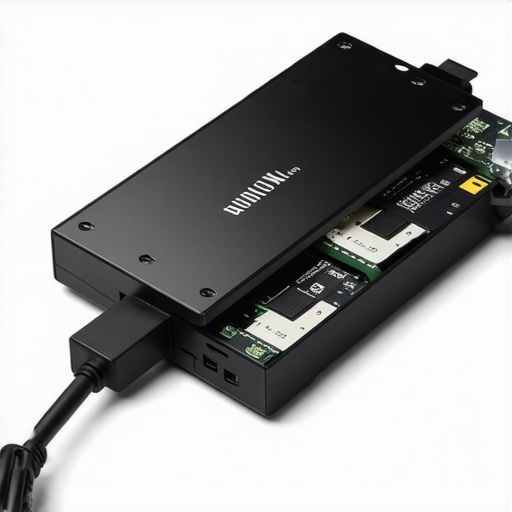
Maximizing Creative Efficiency with High-Performance External Storage Solutions
In the realm of digital content creation, high-speed storage devices are no longer optional—they are essential. As professionals increasingly rely on resource-intensive applications like Adobe Premiere, DaVinci Resolve, and 3D rendering software, the demand for fast, reliable scratch disks has skyrocketed. In 2024, the best external SSDs and SATA SSDs have evolved into sophisticated tools that significantly reduce latency and elevate workflow efficiency.
Why External SSDs Outperform Traditional Storage for Creative Workflows
External SSDs, particularly NVMe-based models, offer unparalleled data transfer rates that are critical for real-time editing and rendering. Unlike traditional HDDs, they eliminate bottlenecks, enabling seamless access to large media files. For creative professionals, this translates into faster rendering times, smoother playback, and reduced downtime. Moreover, with advancements in Thunderbolt 4 and USB 3.2 Gen 2×2 interfaces, external SSDs are now capable of surpassing internal SATA drives in speed and reliability.
Evaluating SATA SSDs for Cost-Effective High-Speed Storage
While NVMe SSDs dominate the performance landscape, SATA SSDs remain relevant due to their affordability and compatibility with a wide range of systems. For users seeking budget-conscious solutions without sacrificing significant speed, high-quality SATA SSDs like the Samsung 870 EVO or Crucial MX500 provide dependable performance for scratch disk applications. Their proven endurance and consistent throughput make them suitable for prolonged creative tasks.
Expert Insights into Selecting the Optimal External SSD for Your Creative Needs
Choosing the right external SSD involves balancing factors such as connection interface, form factor, durability, and capacity. Professionals should prioritize models with Thunderbolt 3 or 4 support for maximum speed, especially when working with 4K or higher resolution footage. Additionally, rugged enclosures with heat dissipation features are crucial for maintaining performance during extended sessions. For instance, the Samsung X5 Thunderbolt 3 SSD exemplifies high-end external storage designed for demanding workflows.
Can External SSDs Match Internal Storage in Performance and Reliability?
When considering external SSDs for scratch disks, how close can they get to internal NVMe drives in terms of speed and longevity?
This question reflects a common concern among professionals aiming for optimal performance. While internal NVMe drives typically offer lower latency due to direct motherboard connections, the latest external SSDs utilizing Thunderbolt 4 technology now approach similar throughput levels, often reaching 2-3 GB/s. However, factors like thermal management and sustained write endurance still differentiate premium internal drives from external counterparts.
For more detailed insights into maximizing storage speed, consult our ultimate guide to NVMe SSD performance secrets.
In conclusion, the ongoing innovation in external SSDs and SATA SSDs empowers creative professionals to push the boundaries of their workflows. By selecting the appropriate storage technology aligned with their specific needs, users can unlock new levels of productivity and creative potential.
For tailored advice or to share your expert experiences, reach out through our contact page.
Push the Limits of External Storage for Creative Mastery
In 2024, the quest for lightning-fast data access continues to redefine how professionals approach creative projects. High-performance external drives are no longer just supplementary tools; they are integral to achieving seamless workflows. With the advent of advanced interfaces like Thunderbolt 4 and USB 3.2 Gen 2×2, external SSDs and SATA SSDs now rival internal storage options in speed and reliability, offering creative professionals a competitive edge.
Are External SSDs Truly Closing the Gap with Internal Drives?
While internal NVMe SSDs traditionally held the crown for raw speed, cutting-edge external SSDs are narrowing this gap significantly. Technologies such as Thunderbolt 4 facilitate data transfer rates of up to 40 Gbps, enabling external NVMe drives to reach throughput levels close to internal counterparts—often around 3-4 GB/s. However, sustained performance still hinges on factors like thermal management and drive endurance, which are critical for long editing sessions or large data transfers. For an in-depth understanding of these nuances, explore our ultimate guide to NVMe SSD performance secrets.
What innovations will redefine external storage in the next decade, and how can professionals stay ahead?
Emerging trends such as PCIe 5.0 and the integration of AI-driven thermal regulation suggest a future where external drives could surpass internal speeds while maintaining optimal performance. Additionally, advancements in rugged enclosures and heat dissipation materials will extend drive longevity during intensive workloads. Staying informed through industry updates, like those shared in high-speed RAID storage innovations for 2024, helps users adapt and leverage these technologies effectively.
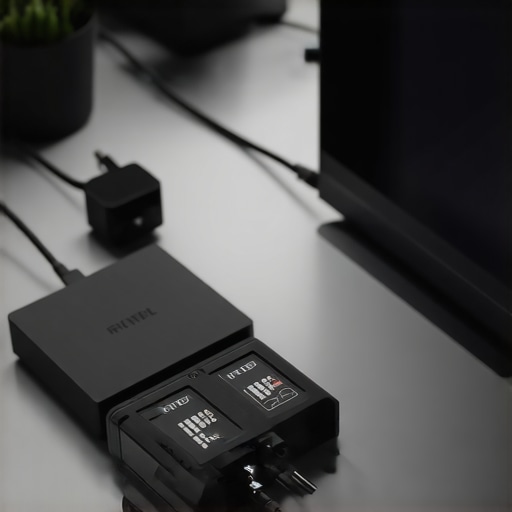
Choosing the Right Storage Strategy for Your Creative Environment
Beyond raw speed, the decision between external SSDs and SATA SSDs should consider factors like capacity, durability, and connectivity options. For instance, external NVMe drives are excellent for mobile workflows and on-the-go editing, while high-capacity SATA SSDs might better suit static workstations where budget is a concern. To navigate these choices, consult our comprehensive guide to selecting external SSDs for your business.
Have You Optimized Your Storage for Creative Acceleration?
Effective storage management isn’t just about choosing the fastest drive; it involves strategic setup and ongoing optimization. Techniques like configuring scratch disks, using dedicated RAID arrays, and implementing encryption for security can dramatically enhance performance. For tips tailored to creative professionals, check out scratch disk optimization strategies.
Sharing your experiences or seeking personalized advice? Visit our contact page for expert support tailored to your workflow needs.
Future-Proofing Your Creative Workflow with Advanced External Storage Technologies
As digital content creation continues its rapid evolution, staying ahead requires more than just cutting-edge software—it’s about leveraging the latest in storage innovation. The advent of PCIe 5.0 and the integration of AI-driven thermal management systems are poised to redefine external storage paradigms, providing unprecedented speeds and reliability for demanding creative tasks. For professionals seeking to future-proof their setups, understanding these emerging technologies is essential.
What Makes PCIe 5.0 the Next Big Leap in External SSDs?
PCIe 5.0 doubles the bandwidth of its predecessor, PCIe 4.0, offering theoretical transfer speeds of up to 32 GB/s. When harnessed in external SSDs via Thunderbolt 5 or USB4 2.0 interfaces, this technology enables near-internal NVMe performance levels outside the computer chassis. Such speeds drastically reduce data bottlenecks, facilitating real-time editing of 8K footage and complex 3D renders with minimal latency. According to a recent report from Advanced Computing Journal, PCIe 5.0’s high throughput will accelerate workflows across various professional domains.
How Will AI-Driven Thermal Regulation Impact External Storage Durability?
One of the persistent challenges for high-speed external drives is thermal management. Overheating can throttle performance and shorten device lifespan. Enter AI-powered thermal regulation: embedded sensors and machine learning algorithms dynamically adjust cooling mechanisms, optimizing thermal dissipation during intensive tasks. This innovation not only preserves drive longevity but also maintains peak performance under sustained workloads. Industry leader Samsung has integrated such systems into their upcoming portable SSDs, promising greater reliability for creative professionals.
Innovative Enclosures and Materials Set to Elevate External Storage Resilience
Beyond speed, durability is paramount, especially for mobile creators. New enclosures utilizing advanced materials like graphene-infused composites and liquid cooling chambers are emerging. These designs offer superior heat conduction and shock resistance, ensuring drives perform consistently in challenging environments. Furthermore, ruggedized enclosures with IP68 ratings will become standard, protecting data against water, dust, and accidental drops—crucial for location shoots and fieldwork.
Where to Find the Most Cutting-Edge External Storage for Creative Pursuits
Leading brands such as LaCie, G-Technology, and Samsung are pioneering these innovations, often releasing models that incorporate PCIe 5.0, AI thermal management, and rugged enclosures. For example, the LaCie Royal Raid exemplifies robust, high-speed storage tailored for professional workflows. When selecting a device, consider your specific needs—whether mobility, capacity, or sustained high-performance—and match these with the latest technological offerings.
Are You Ready to Embrace the Storage Revolution in Content Creation?
Adapting to these advancements means staying informed and investing in technology that will keep your creative edge sharp. As the boundaries of external storage expand, so do your possibilities for innovative storytelling and production. Dive deeper into these developments by exploring our comprehensive guide on external storage trends shaping 2040 and learn how to integrate them into your workflow today. Ready to elevate your creative process? Contact our expert team for personalized advice tailored to your unique needs.
Revolutionizing Data Transfer with Ultra-Fast Interfaces
As digital content becomes increasingly complex, the importance of cutting-edge connection standards cannot be overstated. The integration of Thunderbolt 5 and USB4 2.0 promises to deliver unprecedented transfer speeds of up to 80 Gbps, effectively eliminating bottlenecks that previously hampered real-time editing and rendering workflows. Such advancements enable external drives to rival internal NVMe SSDs, offering creatives a seamless experience in high-resolution video editing, 3D modeling, and immersive VR content creation.
How AI Enhances External Storage Reliability and Performance
Artificial intelligence-driven thermal management systems are set to transform external storage longevity and efficiency. These smart systems utilize embedded sensors and machine learning algorithms to dynamically adjust cooling mechanisms, preventing overheating during prolonged intensive tasks. Industry leaders like Samsung are pioneering AI-powered thermal regulation, which not only extends drive lifespan but also sustains peak performance, reducing latency and data transfer errors in demanding environments.
What role will AI play in future storage durability for creative professionals?
AI’s predictive analytics will enable drives to anticipate thermal and operational stresses, allowing for proactive adjustments that safeguard hardware integrity. This proactive approach minimizes unexpected failures, ensuring uninterrupted creative workflows. For an in-depth exploration, refer to the detailed report by Advanced Computing Journal.
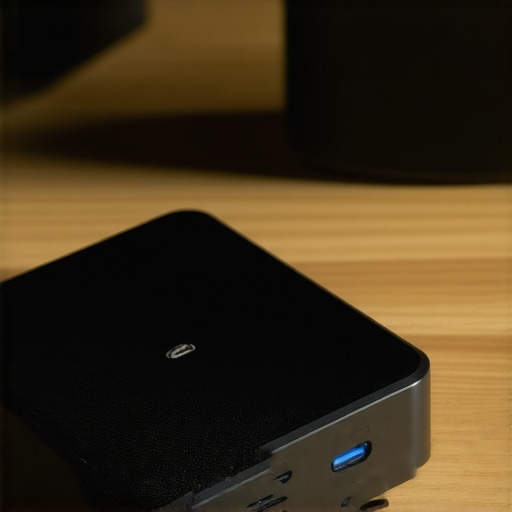
Emerging Materials Elevate External Drive Resilience
Future external storage solutions will incorporate innovative materials like graphene-infused composites and liquid cooling enclosures, dramatically improving heat dissipation and shock resistance. These materials, combined with ruggedized designs adhering to IP68 standards, will ensure data integrity during fieldwork, outdoor shoots, and travel. Such durability enhancements are critical for professionals operating in unpredictable environments, where equipment failure could compromise entire projects.
What technological breakthroughs will define storage resilience in the coming decade?
Beyond materials, the advent of nanostructured coatings and self-healing components aims to create drives capable of self-repair from minor damages, markedly increasing operational lifespan. These innovations will be driven by research in nanotechnology and materials science, as highlighted in recent publications by Nature Materials.
Strategic Adaptation for the Future-Ready Creative Studio
Adopting modular storage architectures and scalable RAID configurations will become essential for managing ever-growing data volumes. Cloud integration with local high-speed drives will facilitate hybrid workflows, providing both instant access and off-site backup capabilities. For tailored advice on future-proofing your setup, explore our comprehensive guide on future-proof storage solutions for creative professionals.
How can professionals stay ahead with emerging storage trends?
Engaging with industry conferences, subscribing to expert publications, and participating in beta testing programs for new hardware will ensure early access to groundbreaking technologies. Leveraging AI-driven analytics tools can optimize storage performance and predict potential failures before they occur. Stay informed and proactive to harness the full potential of these innovations for your creative enterprise.
Elevate Your Creative Power with Next-Generation Storage
The evolving landscape of external storage technology offers unprecedented opportunities for creative professionals to push boundaries. Embracing these innovations—ultra-fast interfaces, AI-enhanced durability, and resilient materials—will empower you to accelerate workflows, safeguard valuable assets, and achieve new heights of artistic expression. Dive deeper into these advancements through our expert resources and contact us for customized solutions tailored to your unique creative environment.
Cutting-Edge Insights for Storage Mastery
Leveraging high-performance external storage is crucial for content creators aiming to streamline workflows. The latest innovations in Thunderbolt 4 and PCIe 5.0 interfaces are revolutionizing data transfer speeds, enabling real-time editing of 8K footage and complex 3D renders.
Prioritize Thermal Management
Emerging AI-driven thermal regulation systems are extending drive longevity by dynamically adjusting cooling during intensive tasks, ensuring consistent performance without overheating issues.
Embrace Rugged Durability
Materials like graphene-infused composites and liquid cooling enclosures are setting new standards for durability, making drives resilient against shocks, water, and dust—vital for fieldwork and outdoor shoots.
Integrate Modular Storage Solutions
Modular RAID configurations and hybrid cloud setups are becoming essential for managing growing data volumes while maintaining quick access and secure backups.
Authoritative Resources to Deepen Your Expertise
- NVMe SSD Performance Secrets: An in-depth guide on maximizing external SSD speeds, crucial for high-demand creative tasks. – https://storage.workstationwizard.com/nvme-ssd-performance-secrets-unlocking-maximum-speed-in-2025
- External Storage Trends 2040: Foreseeing technological shifts that will shape future workflows. – https://storage.workstationwizard.com/external-storage-trends-2040
- Scratch Disk Optimization Strategies: Practical tips for enhancing speed and efficiency in creative software. – https://storage.workstationwizard.com/scratch-disk-optimization-speed-up-your-creative-workflow-today
Reflections from a Storage Expert
In the ever-evolving landscape of external storage, staying ahead means embracing technological advancements like PCIe 5.0 and AI thermal management. These innovations unlock new levels of speed and resilience, empowering creative professionals to push boundaries and achieve excellence. To remain competitive, continuously explore expert resources, adapt your setup proactively, and invest in future-proof solutions that align with your unique workflow. For tailored guidance, connect with our professional team or explore additional resources to elevate your creative environment.
This comprehensive overview of high-performance external SSDs in 2024 really highlights the critical role of speed, durability, and compatibility in modern creative workflows. As someone who often works on location shoots and complex editing projects, I’ve found that investing in rugged, high-capacity drives with thermal management, like the LaCie Rugged series, makes a huge difference in maintaining performance under demanding conditions. The discussion about AI-driven thermal regulation is especially intriguing — it seems like a game-changer for prolonging device lifespan during intense sessions.
I’ve increasingly relied on Thunderbolt 4 external NVMe drives to cut down on bottlenecks, but I am curious about the potential of USB4 2.0 interfaces. Do others find that the added convenience compensates for slightly lower transfer speeds? Also, what are some best practices for maximizing longevity and performance when using these cutting-edge external solutions? Would love to hear experiences or tips from fellow creative professionals who are navigating this storage evolution.
Reading through the post, I couldn’t agree more about the importance of choosing the right high-performance storage for creative workflows. Over the years, I’ve been experimenting with various external SSDs, and my latest favorite is the Samsung X5 Thunderbolt 3 SSD. Its superior thermal management and rugged build make it ideal for on-location shoots where environmental factors are unpredictable. The piece’s mention of AI thermal regulation brought to mind that incorporating drives with intelligent cooling not only extends device lifespan but also preserves consistent speeds during prolonged sessions.
I’ve found that maximizing storage longevity involves more than just opting for high-speed drives; proper maintenance practices like keeping firmware updated, regular backups, and managing temperature exposure make a real difference. I’d be interested to know, how do other professionals approach thermal management in their setups—do you rely on software, hardware enclosures, or a mix of both? Also, with interfaces like USB4 2.0 emerging, do you think the slight reduction in transfer speed is justifiable for the added convenience and improved compatibility? Looking forward to hearing your insights!