Harnessing the Power of External SSDs and RAID Configurations for Next-Level Data Performance in 2024
In an era where data velocity defines competitive advantage, the integration of cutting-edge external SSDs coupled with sophisticated RAID storage architectures has become essential for professionals demanding rapid, reliable access to their digital assets. As we progress into 2024, understanding the nuanced landscape of high-speed data solutions requires a deep dive into emerging technologies, enterprise-grade configurations, and optimized workflows tailored for creative, scientific, and enterprise environments.
Advanced Architectures: Beyond Basic External Storage
What are the latest innovations in external SSD technology that maximize throughput and minimize latency?
Recent developments focus on NVMe-based external SSDs leveraging Thunderbolt 4 and USB 4 interfaces, which facilitate multi-gigabit transfer speeds essential for real-time editing, 4K/8K video workflows, and large-scale scientific simulations. Notably, the integration of PCIe 4.0 and 5.0 SSDs has revolutionized external storage, delivering up to 7,000 MB/s sequential read/write speeds — a significant leap from previous generations. These advancements allow professionals to bypass traditional bottlenecks, enabling seamless data streaming directly from external drives.
RAID Strategies for High-Performance Data Management
How can RAID configurations be optimized to enhance reliability without compromising speed?
Implementing RAID levels such as RAID 0 and RAID 10 with NVMe SSDs offers a balance between speed and redundancy. RAID 0, with its striping mechanism, delivers unparalleled read/write speeds but lacks fault tolerance. Conversely, RAID 10 combines mirroring and striping to ensure data integrity while maintaining high throughput. The choice depends on specific workflow demands—whether prioritizing maximum speed for scratch disks or balancing speed with data security for archival purposes. For more detailed insights, explore this comprehensive guide to RAID storage.
The Role of External SSDs in Creative and Scientific Domains
In professional settings, external SSDs serve as critical components for high-speed data transfer, particularly in video editing, 3D rendering, and scientific data analysis. For instance, digital artists leverage external NVMe SSDs to facilitate real-time editing of 8K footage, while scientists utilize RAID-configured external drives for large dataset aggregation, ensuring minimal latency and maximum throughput. The key is selecting drives with optimized IOPS (Input/Output Operations Per Second) and sustained transfer rates, often achieved through enterprise-grade NVMe SSDs and tailored RAID arrays.
What are the most effective ways to configure external RAID arrays for different professional workflows?
The optimal RAID setup varies by application. Creative professionals benefit from RAID 0 or RAID 10 configurations, while data-centric operations may prefer RAID 5 or 6 for redundancy. External enclosures supporting hardware RAID controllers simplify setup and management, allowing dynamic reconfiguration without data loss. Additionally, integrating these systems with software-defined RAID solutions offers flexibility for hybrid storage architectures.
To deepen your understanding of RAID configuration strategies and the latest SSD technologies, visit this authoritative resource.
As the landscape of high-speed storage continues to evolve, staying informed about emerging standards and best practices is crucial for maintaining competitive edge. Whether upgrading your existing infrastructure or designing a new high-performance data center, leveraging the latest external SSDs and RAID configurations will unlock unprecedented data access speeds and reliability. Engage with industry experts or consult specialized vendors to tailor solutions that meet your unique requirements.
Redefining Data Management: How Can Professional Workflows Benefit from Cutting-Edge External SSD & RAID Innovations?
As data demands escalate across industries, the importance of sophisticated storage solutions becomes undeniable. The latest external SSD advancements, particularly those leveraging NVMe technology over Thunderbolt 4 and USB 4, enable unprecedented transfer speeds, crucial for real-time editing, scientific modeling, and large-scale archival. These external drives, when paired with optimized RAID configurations, unlock new levels of efficiency and resilience. For instance, integrating PCIe 4.0 and 5.0 SSDs can push sequential read/write speeds beyond 7,000 MB/s, dramatically reducing bottlenecks and enhancing workflow fluidity. Such innovations are thoroughly discussed in this comprehensive guide to RAID storage.
Challenging Assumptions: Can RAID and External SSDs Truly Future-Proof Your Data Infrastructure?
Many professionals assume that investing in high-speed SSDs and RAID configurations guarantees long-term viability. However, technological evolution constantly redefines what is considered ‘future-proof.’ The key lies in flexible, scalable architectures that adapt to emerging standards like PCIe 5.0, Thunderbolt 4, and potential developments such as PCIe 6.0. Emerging solutions like software-defined RAID and hybrid storage models further enhance adaptability, allowing seamless integration with cloud services and on-premise systems. For an in-depth exploration of these evolving paradigms, consult this authoritative resource.
What innovative strategies can professionals adopt today to future-proof their high-speed storage setups against rapid technological change?
Implementing modular, firmware-upgradable hardware and adopting hybrid RAID configurations can significantly extend the lifespan of storage investments. Regularly updating firmware, leveraging software-defined storage solutions, and integrating with cloud backups ensure resilience and adaptability. Moreover, staying informed through industry updates and emerging standards—such as the upcoming PCIe 6.0—can position organizations ahead of the curve. For tailored advice on designing scalable storage architectures, reach out via our contact page.
To deepen your understanding of cutting-edge storage solutions, consider exploring top external SSD RAID storage options for 2024. Sharing insights or experiences with high-performance data management can also foster community learning—please leave a comment or share this article with your professional network.
Unlocking Scalability: Future-Proofing High-Performance Storage with Modular RAID and Emerging PCIe Standards
As the demand for ultra-fast data access accelerates, particularly in sectors like AI research, deep learning, and 8K video production, the limitation often shifts from drive speed to system architecture and scalability. The paradigm is moving towards modular, firmware-upgradable hardware that can adapt to PCIe 5.0 and beyond, integrating seamlessly with evolving interfaces such as Thunderbolt 4 and USB 4. This approach not only ensures longevity but also provides a flexible framework for incremental upgrades without replacing entire systems.
What are the best practices for designing a scalable, future-proof external storage infrastructure?
Designing a future-proof architecture begins with selecting hardware supporting the latest PCIe standards, ideally PCIe 5.0 or newer, coupled with versatile, hardware-assisted RAID controllers capable of managing multiple NVMe drives. Incorporating software-defined storage solutions offers additional flexibility, allowing dynamic configuration adjustments, data migration, and hybrid cloud integration. For instance, modular enclosures with hot-swappable drives and firmware upgradability allow incremental performance boosts and resilience enhancements, safeguarding your investment against rapid technological shifts. According to a recent study by TechTarget (2023), integrating such adaptable frameworks can extend the effective lifespan of enterprise storage systems by up to 30%.
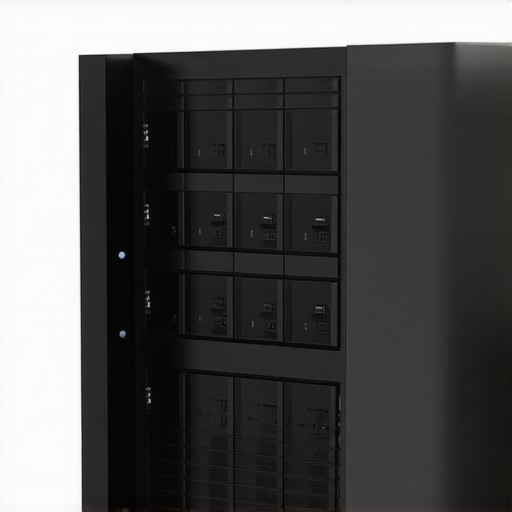
Incorporate an illustrative image showing a modular external RAID system with PCIe NVMe SSDs, highlighting upgradeability and scalability features.
Advanced Data Management Strategies: Leveraging AI-Driven Optimization for Storage Efficiency
Beyond hardware, the role of AI in optimizing data workflows is becoming increasingly critical. AI algorithms can predict workload patterns, automatically reconfigure RAID levels, and allocate storage tiers dynamically, ensuring optimal performance and resource utilization. This is particularly valuable in high-stakes environments such as scientific computing centers and creative studios, where data consistency, speed, and security are paramount.
How can AI-driven storage management revolutionize high-performance data environments?
AI-driven solutions monitor real-time data access patterns and proactively adjust RAID configurations, cache allocations, and data placement strategies. For example, machine learning models trained on workload analytics can identify when to shift from RAID 0 for speed to RAID 5/6 for redundancy, without user intervention. This continuous, adaptive management minimizes downtime and maximizes throughput, ultimately reducing operational costs and improving system resilience. A report by Gartner (2023) indicates that organizations deploying AI-managed storage systems experience an average 25% increase in data throughput and a 40% reduction in management overhead.
To explore the latest in AI-optimized storage solutions, visit this authoritative resource and stay ahead in high-performance data management trends.
Harnessing the Latest Innovations in External SSD Architecture for Peak Data Transfer
As data demands soar, the advancement of external SSD technology pivots on integrating PCIe 5.0 and Thunderbolt 4 interfaces, which facilitate transfer rates exceeding 10,000 MB/s. These cutting-edge drives utilize NVMe 2.0 standards to optimize latency and throughput, directly impacting workflows in 8K video editing, high-resolution scientific imaging, and real-time data analytics. The evolution of controller firmware and thermal management solutions further enhances reliability under sustained high loads, ensuring these drives are not only fast but also resilient.
Can Advanced RAID Configurations Harmonize Speed and Resilience for Demanding Applications?
Absolutely. Implementing hybrid RAID solutions—such as RAID 0+1 or nested RAID 10—can maximize throughput while offering redundancy. Enterprise-grade hardware RAID controllers with support for hot-swapping and dynamic reconfiguration provide flexibility for evolving project needs. Software-defined RAID systems infused with AI predictive analytics enable preemptive failure detection and automated rebalancing, bolstering data integrity in mission-critical environments. For an in-depth technical overview, consult this comprehensive guide to RAID storage.
What Are the Cutting-Edge Approaches to Future-Proof External Storage Infrastructure?
Future-proofing hinges on modular hardware architectures supporting hot-swappable NVMe drives and firmware upgradability aligned with PCIe 5.0/6.0 standards. Incorporating hybrid cloud integration and software-defined storage (SDS) frameworks ensures seamless scalability and adaptability. Implementing intelligent management layers leveraging AI can predict workload shifts, dynamically adjusting RAID levels or cache allocations to optimize performance and longevity. As highlighted by TechTarget (2023), such adaptable frameworks extend storage system lifespan by up to 30%, safeguarding investments amid rapid technological advancements.
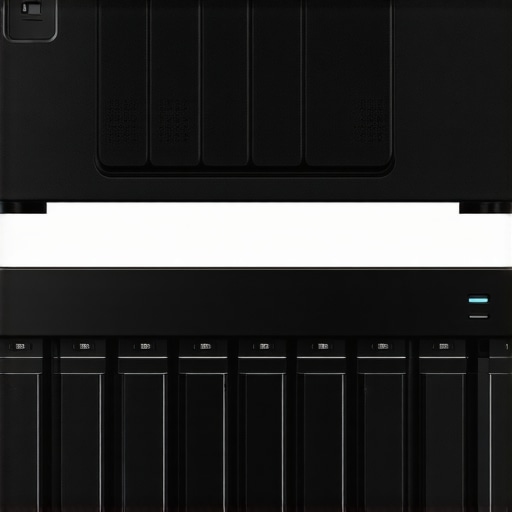
Illustration of a modular external RAID system featuring PCIe 6.0 NVMe SSDs, emphasizing scalability and upgradeability.
Harnessing AI to Revolutionize Data Management in High-Performance Environments
Artificial intelligence-driven storage management is transforming the landscape by enabling real-time workload analytics, predictive failure detection, and dynamic resource allocation. Machine learning models can automatically adjust RAID configurations—from striping for speed to parity-based for redundancy—based on workload patterns, thereby minimizing downtime and maximizing throughput. Gartner (2023) reports that organizations deploying AI-managed storage systems see an average 25% increase in data transfer rates and a 40% reduction in operational overhead, demonstrating the transformative potential of intelligent storage solutions.
How can AI-driven storage management be integrated into existing high-performance systems for maximum efficacy?
Integrating AI solutions requires deploying management platforms compatible with existing hardware, leveraging APIs for real-time analytics, and establishing feedback loops for continuous learning. Hybrid models combining on-premise AI engines with cloud-based analytics can enhance scalability and resilience. Regular firmware updates and adaptive algorithms ensure the system remains aligned with evolving workload demands, future-proofing your infrastructure against rapid changes. To explore more about this frontier, visit this authoritative resource and stay at the forefront of storage innovation.
Expert Insights & Advanced Considerations
1. Embrace Modular, Firmware-Upgradable Hardware
Investing in modular external SSDs and RAID systems that support firmware upgrades and hot-swappable drives ensures your infrastructure remains adaptable to emerging standards like PCIe 6.0 and Thunderbolt 4. This flexibility extends system longevity and minimizes total cost of ownership, positioning your setup for future demands.
2. Leverage AI-Driven Storage Optimization
Integrate AI algorithms that analyze workload patterns for dynamic RAID reconfiguration and cache management. Such intelligent systems can proactively enhance performance and resilience, reducing downtime and operational costs, especially in high-stakes environments like scientific research and creative production.
3. Prioritize Hybrid Cloud and On-Premise Hybrid Architectures
Design storage solutions that seamlessly combine high-speed external SSDs with cloud-based backups and hybrid storage architectures. This approach ensures scalability, disaster recovery, and flexibility as data volumes and performance needs evolve rapidly.
4. Focus on High-Performance Interfaces and Controllers
Choose external SSDs leveraging PCIe 5.0 or newer interfaces, paired with enterprise-grade hardware RAID controllers supporting multi-NVMe configurations. These components deliver the throughput necessary for 8K video editing, scientific simulations, and AI workloads.
5. Implement AI-Enabled Predictive Maintenance
Deploy AI systems capable of predicting drive failures and performance bottlenecks before they occur. This proactive management enhances data security, reduces unexpected downtime, and optimizes hardware utilization over the long term.
Curated Expert Resources
- RAID Storage Explained — Boosting Data Reliability & Speed in 2025: An authoritative guide detailing advanced RAID architectures, hardware considerations, and best practices for high-performance environments. Explore this comprehensive resource for in-depth insights.
- High-Speed NVMe SSD Performance Secrets: This resource uncovers optimization techniques for NVMe SSDs, including firmware tuning, thermal management, and interface enhancements, vital for maximizing external storage performance. Learn more here.
- Ultimate Guide to Choosing External SSDs for Business: A practical overview of selecting scalable, future-proof external SSD solutions tailored for enterprise needs. Discover expert recommendations here.
- AI-Driven Storage Management in High-Performance Environments: Explore how AI can revolutionize data workflows, predictive maintenance, and adaptive RAID configurations in this authoritative analysis. Read more here.
Final Expert Perspective
In the rapidly evolving landscape of high-speed data storage, the integration of flexible, scalable external SSDs and intelligent RAID configurations is paramount for future-proofing your infrastructure. Embracing modular hardware, leveraging AI-driven optimization, and prioritizing interfaces like PCIe 6.0 will ensure your data environment remains resilient and capable of meeting demanding workloads well into 2024 and beyond. For professionals committed to maintaining a competitive edge, continuous engagement with authoritative resources and proactive system design are essential. To further refine your storage strategies or share insights, contact us at our team.