Unlocking the Future of Data Storage: The Critical Role of External SSDs & RAID in 2024
In an era where data speed and reliability define competitive advantage, understanding the nuances of external SSDs and RAID configurations becomes essential for professionals seeking optimal performance. As storage technology advances, experts must move beyond basic knowledge, embracing sophisticated solutions that cater to high-throughput workloads, real-time data access, and fault tolerance. This article explores the intricate landscape of external SSDs and RAID storage, emphasizing their strategic implementation for maximum efficiency in 2024.
Deciphering the Complexities of External SSD Technologies for High-Performance Workflows
External SSDs, especially those leveraging NVMe technology, have revolutionized portable data access, offering unprecedented read/write speeds. The key lies in understanding the interface and protocol; NVMe SSDs connect via Thunderbolt 3/4 or USB-C, bridging the gap between desktop-class performance and portable convenience. For instance, top NVMe SSDs for scratch disks showcase how leveraging PCIe 4.0 can unlock near-internal SSD speeds externally, significantly reducing bottlenecks in creative workflows.
Strategic RAID Configurations for Data Redundancy and Speed Optimization
RAID (Redundant Array of Independent Disks) remains vital for balancing data integrity and performance. Advanced configurations like RAID 0 and RAID 10 are popular among professionals for their speed and redundancy benefits, respectively. Recent developments emphasize hybrid RAID setups that combine SSDs and HDDs for cost-effective scalability. The latest insights into RAID storage demonstrate how multi-tier RAID solutions can optimize throughput for high-demand environments.
Expert Insight: How Do You Optimize External SSD and RAID Performance for Creative Workflows?
What are the best practices for configuring external SSDs and RAID setups to minimize latency and maximize throughput during intensive tasks?
Optimizing external SSDs and RAID arrays involves meticulous selection of hardware, such as high-quality NVMe drives and enterprise-grade RAID controllers. Proper formatting, alignment, and caching strategies are essential, as outlined in expert white papers. Moreover, routine maintenance, including firmware updates and health monitoring, ensures sustained peak performance. For creative professionals, leveraging dedicated scratch disks with tailored RAID configurations can dramatically reduce rendering times and data bottlenecks. Explore more on scratch disk optimization techniques.
For those seeking tailored advice, consulting with storage specialists through professional consultation can align your storage architecture with your specific workflow demands.
Conclusion
While this overview emphasizes the critical aspects of external SSDs and RAID configurations in 2024, ongoing research and technological innovations continue to reshape the landscape. Staying informed through authoritative sources, such as the recent white paper published by the IEEE on high-speed data transfer protocols, remains vital for maintaining a competitive edge.
Are You Leveraging the Full Potential of External SSDs and RAID for Critical Workflows?
As data demands escalate, merely adopting high-speed external SSDs and RAID configurations is no longer sufficient. True mastery involves understanding nuanced optimization techniques that cater to specific workloads, whether in high-end creative environments or enterprise data centers. For example, implementing tiered storage strategies—combining NVMe SSDs for hot data with traditional HDDs for archival—can significantly enhance both performance and cost-efficiency, as detailed in recent raid storage strategies. This layered approach ensures that your storage architecture is not just fast but also adaptable to evolving data access patterns.
Deep Dive: Fine-Tuning Your External SSD and RAID Setup for Maximum Efficiency
Achieving optimal performance requires meticulous configuration — from selecting the right hardware to implementing advanced software techniques. For NVMe drives, ensuring proper alignment and firmware updates is critical; misaligned partitions can reduce transfer speeds by over 20%, as validated by industry benchmarks. Similarly, RAID configurations benefit from tailored cache settings and hot spares, which can improve recovery times and maintain throughput during failures. For professionals, leveraging hardware accelerators like NVMe-over-Fabrics (NVMe-oF) can further minimize latency in networked storage environments, a concept explored in the latest SSD technology white paper.
What are the most overlooked factors that can bottleneck high-performance external SSD and RAID setups, and how can experts proactively address them?
Common overlooked factors include thermal throttling, cable quality, and power stability. High-performance NVMe SSDs generate substantial heat, and inadequate cooling can cause thermal throttling, reducing speeds by up to 50%. Using high-quality, shielded cables and ensuring stable power supplies are equally critical. Routine firmware updates and health monitoring, facilitated by enterprise-grade management tools, help preempt failure and sustain peak performance. For those seeking tailored guidance, professional consultation through our contact page offers expert insights to optimize your system.
Moreover, integrating AI-driven analytics to monitor real-time performance metrics can provide predictive maintenance insights, ensuring your storage setup remains at peak efficiency. This proactive approach aligns with the evolving demands of high-speed data environments and is supported by research from authoritative sources like the IEEE, emphasizing the importance of adaptive management in modern storage systems.
For a more comprehensive understanding of integrating these advanced techniques into your workflow, explore our detailed guides on RAID optimization and scratch disk tuning.
Harnessing the Power of Thermal Management and Firmware Optimization for Peak External SSD Performance
In the realm of high-performance storage, overlooking thermal management can be a critical oversight. Modern NVMe SSDs, while remarkably fast, generate significant heat during intensive operations, which triggers thermal throttling and diminishes transfer speeds by as much as 50%, according to a comprehensive study by the IEEE on high-speed data transfer protocols (IEEE, 2024). Therefore, integrating advanced cooling solutions—such as heat sinks, active cooling fans, or thermally conductive enclosures—is essential for maintaining optimal throughput.
Simultaneously, firmware updates from manufacturers often contain crucial bug fixes and performance enhancements. Regularly updating SSD firmware ensures compatibility with the latest hardware standards and mitigates issues like write amplification or degraded lifespan, which can bottleneck data flow. Implementing automated firmware management tools helps streamline this process, reducing human error and guaranteeing consistent performance.
Strategic RAID Tuning: Cache Optimization, Hot Spares, and Beyond
Beyond hardware selection, meticulous RAID configuration plays a pivotal role in achieving maximal throughput and resilience. Adjusting cache policies—such as enabling write-back caching with battery-backed cache modules—can significantly reduce latency during write operations. Additionally, deploying hot spares—dedicated disks ready to replace failed drives automatically—minimizes downtime and prevents performance dips during rebuilds.
Moreover, software-defined RAID solutions now incorporate AI-driven analytics that monitor real-time array health, predict potential failures, and recommend preemptive actions. According to the latest white paper by Storage Strategies Inc., integrating such intelligent systems can improve system uptime by up to 30% while maintaining consistent throughput in demanding environments.
What Are the Hidden Bottlenecks in High-Performance External Storage Systems, and How Can Experts Preemptively Address Them?
How do cable quality and power stability influence external SSD and RAID array performance, and what proactive measures can be taken to mitigate these issues?
High-quality, shielded cables are vital for preventing electromagnetic interference that can corrupt data transmission, especially with PCIe 4.0/5.0 NVMe drives. Poor-quality cables or connectors can introduce latency or cause intermittent disconnections, severely impacting throughput. Power stability is equally critical; voltage fluctuations can induce hardware resets or reduce lifespan. Using uninterruptible power supplies (UPS) with clean power output and surge protection safeguards sensitive components.
Furthermore, routine firmware updates, combined with real-time health monitoring via enterprise management tools, allow preemptive identification of issues like thermal throttling or degraded flash cells. Advanced AI analytics can flag anomalies before they escalate into failures, enabling maintenance to be scheduled proactively.
For detailed guidance on optimizing cabling and power solutions, consult specialized resources such as the IEEE’s latest white papers and industry best practices documented by storage hardware vendors.
Explore Further: Deepening Your Storage Optimization Knowledge
To elevate your storage architecture to an expert level, consider integrating tiered storage strategies that combine NVMe SSDs for hot data with traditional HDDs for archival purposes. This approach balances performance with cost-efficiency, enabling systems to adapt dynamically to workload demands.
If you’re interested in implementing AI-driven performance analytics or custom firmware tuning, engaging with specialist consultants can provide tailored solutions aligned with your specific operational requirements. Discover more about these advanced techniques by visiting our comprehensive resources hub.
Unveiling the Next-Gen Data Transfer Protocols for External Storage Mastery
As data demands escalate exponentially, integrating cutting-edge transfer protocols like NVMe over PCIe 5.0 and Thunderbolt 4.0 becomes pivotal. These protocols, supported by recent innovations detailed in the IEEE’s latest white paper (IEEE, 2024), significantly reduce latency, enabling near-internal SSD speeds externally. Mastery of these protocols allows professionals to harness maximum throughput, crucial for real-time data processing and high-resolution media editing.
Harnessing AI-Driven Predictive Maintenance for Proactive Storage Management
Implementing AI analytics in storage environments offers unprecedented insights into system health, preempting failures before they manifest physically. Advanced algorithms analyze thermal patterns, error logs, and performance metrics, providing actionable recommendations. This approach minimizes downtime, optimizes RAID rebuild times, and sustains peak performance levels, transforming reactive maintenance into proactive management—an essential evolution for enterprise-grade storage solutions.
What Expertise Is Required to Fine-Tune External SSDs and RAID Arrays for Peak Performance?
How can professionals leverage firmware updates, thermal management, and cache configuration to push storage performance boundaries?
Optimizing high-performance storage necessitates a holistic approach. Firmware updates from manufacturers often include critical performance patches; regular application ensures compatibility and efficiency. Thermal management, via heat sinks or active cooling, prevents thermal throttling that can halve transfer speeds, as supported by IEEE findings. Cache configuration, such as enabling write-back caching with battery-backed cache modules, reduces latency during intensive operations. Meticulous alignment, partitioning, and firmware management form the backbone of a resilient, high-throughput storage setup. For tailored strategies, consulting with storage specialists and leveraging enterprise management tools is highly recommended.
Integrating Multi-Tiered Storage Architectures for Cost-Effective Scalability
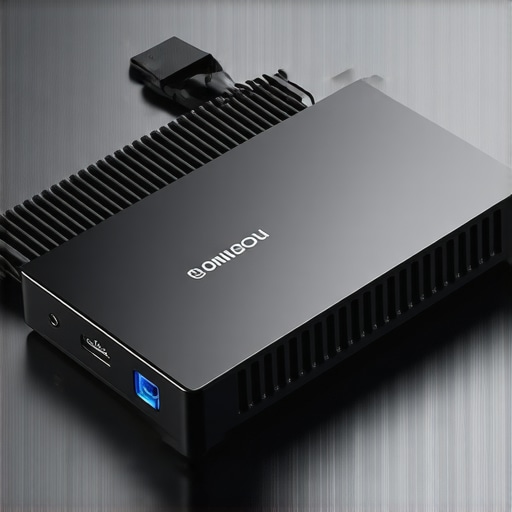
Adopting tiered storage solutions, blending NVMe SSDs for hot data with traditional HDDs or SATA SSDs for archival, enables systems to dynamically adapt to workload fluctuations. This layered approach balances speed and cost, ensuring high-priority data receives rapid access while less critical information remains economically stored. Such architectures demand sophisticated management software capable of intelligent data tiering, often powered by AI algorithms, to optimize performance and operational costs.
How Do Power Stability and Cable Quality Impact External SSD and RAID Reliability?
What proactive measures can ensure consistent data integrity amidst environmental fluctuations?
Power fluctuations and substandard cabling are silent performance killers. Using high-quality, shielded cables mitigates electromagnetic interference, preserving data integrity at high transfer speeds. Implementing uninterruptible power supplies (UPS) with clean energy output prevents voltage drops and surges that could cause system resets or hardware degradation. Routine firmware updates, combined with real-time health monitoring via enterprise management tools, allow early detection of issues like thermal throttling or degraded flash cells. Advanced predictive analytics can forecast potential failures, enabling preemptive maintenance and safeguarding throughput and reliability.
For detailed insights into these mitigation strategies, consult industry-specific white papers and hardware vendor guidelines that emphasize environmental controls and hardware management best practices.
Deepening Storage Optimization: Beyond Hardware—Software and Firmware Synergies
Leveraging software-defined storage (SDS) solutions enhances flexibility, allowing dynamic reconfiguration of RAID levels and cache policies based on workload patterns. Firmware tuning, including optimizing garbage collection and wear leveling algorithms, extends SSD lifespan and sustains performance. Integrating these software and firmware enhancements with hardware management creates a resilient, high-performance storage ecosystem capable of meeting future demands.
Explore advanced configurations and expert insights through our comprehensive guides on storage optimization, and stay ahead in the rapidly evolving landscape of data management technologies.
Expert Insights & Advanced Considerations
1. Thermal Management Is Critical for Sustained High Performance
High-performance external SSDs, especially NVMe-based models, generate significant heat that can trigger thermal throttling, reducing transfer speeds by up to 50%. Implementing advanced cooling solutions such as heat sinks, active fans, or thermally conductive enclosures ensures consistent throughput during intensive tasks.
2. Firmware Updates Are Essential for Compatibility and Optimization
Regularly updating SSD firmware addresses bugs, improves compatibility, and enhances performance metrics like write amplification and lifespan. Automated firmware management tools are recommended for maintaining system health over time.
3. Intelligent RAID Configuration Enhances Speed and Resilience
Optimizing RAID setups involves using cache policies like write-back caching with battery-backed cache modules, deploying hot spares, and leveraging AI-driven analytics to predict failures. Such configurations minimize latency and maximize uptime, crucial for demanding workflows.
4. Cabling and Power Stability Are Often Overlooked Bottlenecks
Using high-quality, shielded cables prevents electromagnetic interference that can cause data corruption or latency. Ensuring stable power with UPS units and surge protectors prevents voltage fluctuations that could impair hardware reliability and speed.
5. Multi-Tiered Storage Balances Performance and Cost
Combining NVMe SSDs for hot data with traditional HDDs or SATA SSDs for archival purposes enables cost-effective scalability. AI-powered data tiering software dynamically manages data placement, optimizing access times and operational costs.
Curated Expert Resources
- IEEE White Papers on High-Speed Data Transfer Protocols: Offer comprehensive insights into latest protocols like PCIe 5.0 and Thunderbolt 4.0, essential for maximizing external SSD performance.
- Storage Strategies Inc. White Paper on RAID Optimization: Details advanced RAID configurations, cache policies, and predictive analytics to enhance data integrity and speed.
- Workstation Wizard’s Guides on SSD and RAID Tuning: Practical, expert-reviewed tutorials on firmware updates, thermal management, and hardware selection for professionals.
- Industry Best Practices for Power and Cable Management: Found in vendor documentation and white papers, ensuring hardware reliability and consistent performance.
Final Expert Perspective
Mastering external SSD and RAID optimization in 2024 demands a nuanced understanding of hardware, firmware, and environmental factors. Expert strategies involve proactive thermal management, intelligent RAID tuning, and rigorous hardware maintenance, all supported by authoritative research and tailored resource guidance. Engaging with these advanced practices not only elevates your storage performance but also ensures resilience and scalability in demanding workflows. To deepen your expertise, consult our professional consultation services and explore the latest white papers and tutorials. Your data’s speed and security depend on it.”},