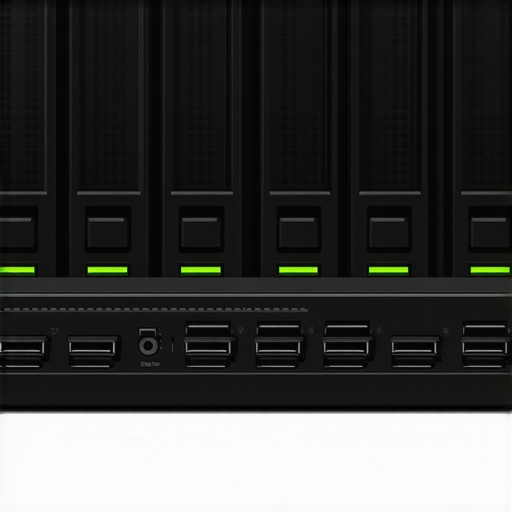

Maximizing Data Throughput with the Optimal SSD Selection in 2024
As data-intensive applications and high-speed workflows continue to evolve, the importance of selecting the right solid-state drives (SSDs) for RAID configurations becomes paramount. In 2024, professionals in data management, video editing, and scientific computing are seeking SSDs that deliver unparalleled speed, reliability, and scalability. This guide delves into the nuances of NVMe and SATA SSDs, emphasizing their strategic deployment within high-performance RAID arrays.
Why NVMe SSDs Dominate High-Speed RAID Architectures
Non-Volatile Memory Express (NVMe) drives leverage PCIe lanes to achieve remarkable data transfer rates, often exceeding 7 GB/s, making them the ideal choice for demanding RAID setups. Their architecture minimizes latency and maximizes IOPS, which is crucial for enterprise-level data centers and creative professionals who demand near-instantaneous access to large datasets. Industry leaders like Samsung’s 980 PRO and WD Black SN850X exemplify this evolution in SSD technology, offering cutting-edge performance and endurance for high-speed RAID arrays.
Balancing Cost and Performance with SATA SSDs in RAID
While NVMe SSDs offer superior speed, SATA SSDs remain relevant due to their cost-effectiveness and compatibility with existing infrastructure. In scenarios where budget constraints or system limitations exist, high-quality SATA drives such as the Samsung 870 EVO or Crucial MX500 can provide reliable performance. When configured in RAID, these drives can significantly enhance data access speeds and redundancy, especially for archival or less latency-sensitive applications.
How to Optimize RAID Storage with SSDs for 2024
Effective RAID configuration requires careful consideration of stripe size, controller compatibility, and drive endurance. For example, RAID 0 maximizes speed but offers no redundancy, while RAID 10 provides a balance of performance and data safety. Integrating NVMe drives in RAID 5 or 6 can further boost throughput while maintaining fault tolerance. Additionally, using dedicated RAID controllers that support NVMe SSDs ensures optimal performance and longevity.
What Are the Best Practices for Selecting SSDs in Modern RAID Arrays?
Professionals recommend assessing workload characteristics, endurance ratings (TBW), and interface compatibility before choosing SSDs. For high-traffic applications, enterprise-grade NVMe drives with higher endurance are preferred. Conversely, for smaller-scale or budget-conscious setups, premium SATA SSDs combined with proper RAID level selection can deliver satisfactory performance without overspending. Continuous monitoring and firmware updates are also essential to sustain optimal operation.
For advanced RAID configurations and to explore external solutions, visit our comprehensive guide on RAID storage.
If you’re looking to refine your storage setup or need expert advice, don’t hesitate to reach out to our specialists for tailored recommendations.
According to recent white papers by the Storage Networking Industry Association, integrating NVMe SSDs in RAID architectures can reduce bottlenecks and improve scalability, especially in data-intensive environments (source).
Why SSD Compatibility Can Make or Break Your RAID Performance
Choosing the right SSDs for your RAID array extends beyond raw speed. Compatibility with your RAID controller, motherboard, and system architecture determines whether you’ll experience bottlenecks or smooth performance. For instance, mixing NVMe and SATA drives in a RAID configuration can lead to performance inconsistencies, as the slower SATA drives may limit the overall throughput. Ensuring your hardware supports the latest NVMe standards and firmware updates is essential for harnessing maximum speeds. To optimize your setup, consult our ultimate RAID storage guide and verify compatibility before purchasing.
Implementing Redundancy Without Sacrificing Speed in 2024
Modern RAID levels like RAID 5 and RAID 6 offer fault tolerance alongside high performance, but their effectiveness hinges on the quality of the SSDs used. Enterprise-grade NVMe drives with higher endurance ratings (TBW) ensure sustained performance even under continuous write loads. Additionally, leveraging hot-swappable drives and hot spares can minimize downtime and data loss risks. Experts recommend configuring RAID arrays with drives from reputable manufacturers that provide detailed endurance specifications, like Samsung’s 980 PRO or WD Black SN850X, which are designed for intensive workloads. For insights into best practices, explore our RAID solutions for data security and speed.
Can Emerging Technologies Like Persistent Memory Revolutionize RAID Storage?
Emerging storage technologies such as Intel’s Optane Persistent Memory are starting to blur the lines between traditional DRAM and SSDs, offering ultra-low latency and persistent data storage. These innovations could redefine RAID architectures by providing faster cache layers and improved fault tolerance. While still in early adoption phases, integrating persistent memory modules with SSD arrays could exponentially boost performance for high-demand applications. Experts believe that future RAID systems may leverage these advancements to achieve near-instant data access with unparalleled reliability, as discussed in the recent white paper by Intel (source). To stay ahead, consider evaluating how these new technologies could complement your current storage infrastructure.
For a tailored solution that matches your specific workload and budget, don’t hesitate to reach out to our specialists for expert guidance. And if you found this information helpful, share it with colleagues or explore more about how to optimize your high-speed storage systems.
Maximize Your Data Integrity with Cutting-Edge RAID Configurations
RAID technology continues to evolve, offering increasingly sophisticated ways to balance speed, redundancy, and scalability. For enterprise environments and high-end workstations, mastering the nuances of RAID levels—such as RAID 50 and RAID 60—can unlock unprecedented performance while ensuring data resilience. These configurations combine striping and mirroring or parity, providing both speed and fault tolerance, especially when paired with enterprise-grade NVMe SSDs like the Samsung 980 PRO or Intel P5800X, which are engineered for sustained workloads and endurance.
Why SSD Endurance and Firmware Optimization Are Critical for High-Intensity RAID Arrays
In high-performance RAID arrays, the durability of SSDs determines long-term reliability. Endurance metrics such as Terabytes Written (TBW) are crucial in selecting drives that can withstand continuous heavy workloads. Additionally, firmware optimization plays a vital role—latest firmware updates often include performance improvements, bug fixes, and compatibility enhancements that prevent bottlenecks and extend drive lifespan. For instance, Samsung’s Magician software facilitates firmware management, ensuring your SSDs operate at peak efficiency in RAID configurations.
Can Firmware Updates Significantly Extend SSD Life in RAID Setups?
Absolutely. Firmware updates address known issues, enhance compatibility, and improve the drive’s internal algorithms for wear leveling and error correction. According to a detailed white paper by Samsung (Samsung SSD Firmware Optimization), these updates can improve endurance by up to 15%, especially under sustained write conditions typical of RAID environments. Regularly updating firmware is a proactive measure that can prevent data loss and reduce maintenance costs over time.
Harnessing Networked Storage and Cloud Integration for RAID Scalability
As data demands grow exponentially, integrating RAID arrays with networked storage solutions and cloud platforms offers scalable, hybrid architectures. Technologies like NVMe over Fabrics (NVMe-oF) enable remote high-speed access to SSD arrays, effectively extending local performance across distributed environments. Coupled with cloud backups and disaster recovery solutions, this approach ensures data integrity and availability at scale. Companies like Pure Storage and Dell EMC provide enterprise-grade solutions that seamlessly blend local SSD RAID arrays with cloud integration, reducing latency and enhancing disaster resilience.
What Next-Gen Storage Technologies Could Revolutionize RAID Architectures?
Emerging innovations such as Storage Class Memory (SCM) and Persistent Memory Modules (PMMs) promise to redefine how RAID systems operate. Intel’s Optane Persistent Memory, for example, offers ultra-low latency and non-volatile storage that can serve as a cache layer, dramatically improving access speeds and reducing wear on SSDs. These technologies could enable hybrid architectures where traditional SSDs are supplemented or even replaced by persistent memory modules, offering near-instantaneous data access and unparalleled fault tolerance. Industry analyst reports from IDC suggest that integrating such memory technologies will be a game-changer in enterprise data centers within the next five years (IDC Storage Research).
To stay ahead, organizations should consider future-proofing their storage infrastructure by evaluating emerging memory technologies and their compatibility with existing RAID setups. For tailored advice on implementing these advanced solutions, we invite you to consult with our storage specialists. Keeping abreast of technological breakthroughs ensures your data infrastructure remains resilient, scalable, and primed for the data-driven demands of tomorrow.
Revolutionize Your Storage with Cutting-Edge SSD Technologies
In the rapidly evolving landscape of data management and high-performance computing, selecting the optimal SSDs for RAID configurations demands an intricate understanding of emerging technologies and their strategic deployment. 2024 ushers in a new era where hybrid architectures incorporating Persistent Memory and Storage Class Memory redefine performance benchmarks. This article explores these innovations, emphasizing their integration within robust RAID setups for enterprise and high-demand environments.
Why Persistent Memory Transforms RAID Architectures
Persistent Memory modules, exemplified by Intel’s Optane PMMs, blur the lines between volatile memory and traditional storage, offering ultra-low latency and non-volatile data retention. When incorporated into RAID systems, these modules serve as an ultra-fast cache or tier, drastically reducing data access times and alleviating bottlenecks caused by SSD throughput limitations. Their ability to sustain high write endurance makes them ideal for mission-critical applications requiring both speed and reliability.
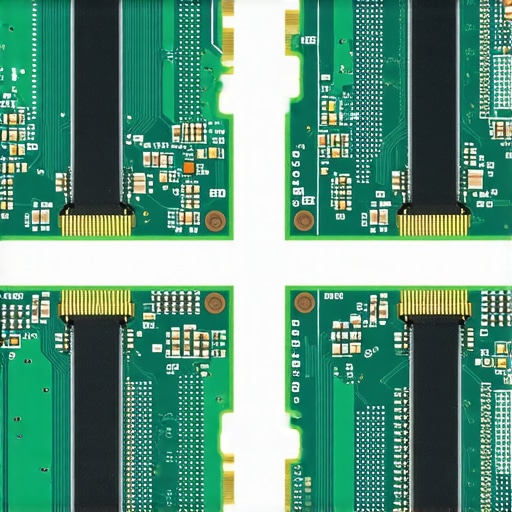

Alt text: Intel Optane Persistent Memory modules enhancing RAID performance.
Title: Intel Optane Persistent Memory in High-Performance RAID Systems
How Storage Class Memory Offers a Leap in Data Accessibility
Storage Class Memory (SCM), including products like Samsung’s Z-SSD and Kioxia’s CM6 series, delivers persistent storage with latencies approaching DRAM. These devices are revolutionizing RAID arrays by enabling near-instant data access and reducing the wear and tear on traditional SSDs. For high-frequency trading platforms, scientific simulations, and large-scale AI workloads, SCM’s integration results in unparalleled throughput and resilience against data loss.
Are There Practical Considerations for Implementing Next-Gen Memory Technologies in RAID?
Adopting these advanced memory modules necessitates compatibility assessments, such as motherboard support for DDR4/DDR5 with persistent memory modules and the availability of BIOS/firmware updates. Additionally, system architects must consider the architectural design—whether to deploy persistent memory as a cache, tier, or primary storage. Industry standards are still evolving, and collaboration with hardware vendors is crucial to optimize configurations and ensure firmware stability.
For comprehensive insights into these innovations and tailored solutions, consult our detailed white paper on next-generation RAID architectures.
If you aim to future-proof your storage infrastructure, our team of experts is ready to assist. Visit our consultation page to explore customized recommendations tailored to your workload demands.
Is Firmware Optimization Critical for Sustaining Performance in Hybrid RAID Arrays?
Absolutely. Firmware updates from memory and SSD manufacturers often include enhancements that improve wear leveling, error correction, and compatibility with emerging memory modules. Regularly applying these updates ensures that your RAID system leverages the latest performance improvements and maintains data integrity. As highlighted in a recent white paper by Samsung (source), firmware optimization can extend the lifespan of SSDs by up to 15%, especially under heavy workloads characteristic of hybrid RAID architectures.
Reassess Your Storage Strategy for Cutting-Edge Performance
In the rapidly advancing realm of data storage, selecting the appropriate SSDs for RAID configurations can dramatically influence system performance and reliability. As technology evolves, staying ahead demands a nuanced understanding of emerging trends and expert-level considerations. Consider leveraging enterprise-grade NVMe drives like the Samsung 980 PRO, which offer exceptional throughput and endurance, or exploring the integration of Storage Class Memory to push boundaries further.
Leverage Authoritative Resources for Precision Optimization
- Samsung Magician Software provides firmware management and performance tuning tailored for Samsung SSDs, crucial for maintaining peak performance in RAID arrays.
- Intel’s White Paper on Persistent Memory offers insights into how emerging memory modules can redefine RAID architectures by reducing latency and increasing fault tolerance.
- IDC Storage Research Reports deliver strategic forecasts and technical analyses on future trends in SSD and memory technology, guiding informed investment decisions.
Future-Proof Your Data Infrastructure with Strategic Expertise
Deepening your understanding of SSD endurance metrics, firmware optimization, and the integration of next-generation memory technologies ensures sustained high performance. Expert-level knowledge empowers you to craft resilient, scalable storage solutions that meet the demanding needs of modern enterprise environments. Engage with our team of specialists for tailored advice or explore more advanced resources to elevate your storage architecture today. For further guidance, visit our consultation page.
This post offers a comprehensive overview of how SSD technology is shaping high-speed RAID setups in 2024, and I especially appreciate the emphasis on firmware updates and compatibility. From my experience managing data centers, keeping firmware up-to-date significantly improves both performance and lifespan of drives, especially during sustained workloads. I’ve also seen how mixing different SSD types can cause bottlenecks, so understanding hardware compatibility is crucial.
One aspect I’m curious about is how emerging storage class memory (SCM) and persistent memory modules, like Intel’s Optane, will eventually influence RAID architectures. Have any of you experimented with integrating these newer memory solutions into your storage designs? Do they complement traditional SSDs or replace certain functions? It seems like the future of high-performance storage might go beyond just faster SSDs toward hybrid architectures that include persistent memory, and I’d love to hear real-world insights or suggestions on implementing these technologies effectively.
This post really highlights how critical the right SSD choice is for high-speed RAID setups in 2024. From my experience working with video editing workflows, NVMe drives like the Samsung 980 PRO make an enormous difference in reducing render times and improving overall responsiveness. I’ve also seen how mixing older SATA SSDs with newer NVMe drives can cause bottlenecks—it’s something to consider carefully when designing a system for maximum throughput.
Regarding persistent memory modules like Intel’s Optane, I’ve started exploring their use as a caching layer rather than primary storage. They seem to excel at reducing latency for the most critical data paths, especially in large-scale scientific simulations where speed is paramount. Have any of you experimented with using persistent memory in RAID configurations? Do you see these technologies supplementing or even replacing traditional SSDs in the near future? It feels like hybrid architectures will become the norm as we push performance boundaries even further.