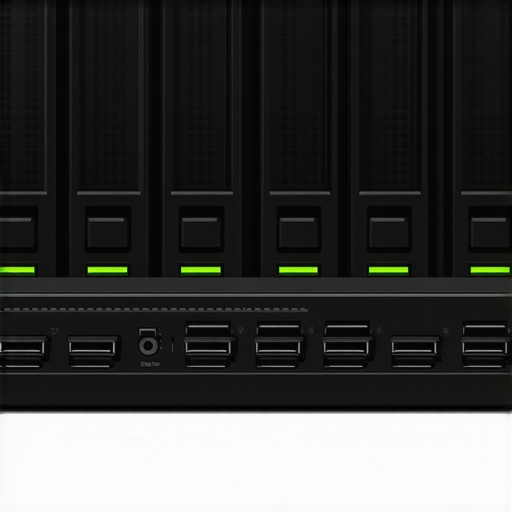
Harnessing Advanced Storage Architectures for Peak Data Throughput
In an era where data volume and speed requirements evolve exponentially, mastering the integration of RAID storage systems with cutting-edge SSD technologies is essential. Professionals leveraging RAID configurations alongside NVMe SSDs and external SSD solutions are positioned to optimize both reliability and performance.
Dissecting the Nuances of SATA versus NVMe SSDs in High-Speed Environments
While SATA SSDs offer reliable performance for conventional workflows, they often fall short in high-demand scenarios where latency and bandwidth are critical. Contrastingly, NVMe SSDs utilize the PCIe 4.0 and 5.0 interfaces, delivering substantially higher data transfer rates, vital for real-time editing, large data set analysis, and intensive computational tasks. To understand the detailed performance characteristics, consult the ultimate guide to NVMe SSDs and RAID storage.
Are External SSDs Beating Internal Breakthroughs in Data Transfer?
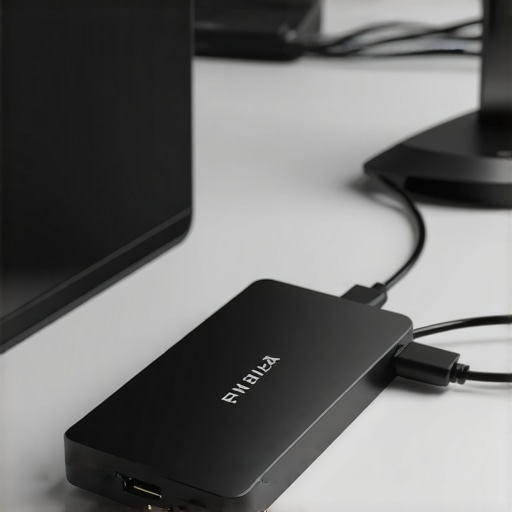
External SSDs, notably those utilizing Thunderbolt 4.0 and USB 4.0 interfaces, are pushing the boundaries of portable high-speed storage. These devices can achieve 80 Gbps transfer rates, narrowing the gap with internal NVMe configurations. For professionals needing mobility without sacrificing speed, external options have become increasingly viable. However, compatibility and cable quality significantly influence actual performance, making cable infrastructure a nuanced variable—see the fastest external SSDs of 2026 for comprehensive comparisons.
Is the Cable an Overlooked Bottleneck in Your High-Speed Data Setup?
Experts have recognized that even top-tier SSDs can be hindered by subpar cabling, leading to significant performance drops and lag issues. Ensuring certified, high-quality cables—like those compatible with Thunderbolt 4.0 or USB4—can unlock the device’s maximum throughput capabilities. Vendors warn about using cheap or uncertified cables which may cause instability or reduced speeds. To troubleshoot your connection and optimize performance, consult our guide on external SSD configuration.
Integrating External SSDs into Enterprise-Grade Storage Solutions
Large-scale data operations benefit from external SSD deployment strategies that extend internal SAN/NAS architectures with portable, high-throughput units. Combining external RAID enclosures with NVMe or SATA SSDs, configured for redundancy and speed, can substantially boost workflow continuity. The author emphasizes that such configurations must consider cooling, cable quality, and interface standards—especially as PCIe 6.0 and PCIe 7.0 protocols become mainstream, necessitating appropriate hardware compatibility. For in-depth insights, explore external SSD RAID solutions.
What Future-Driven Innovations Are Shaping Storage in 2026 and Beyond?
Emerging trends such as PCIe 7.0 NVMe SSDs with over 48 Gbps transfer speeds and advanced cooling solutions are on the horizon, promising to rescue storage from current bottlenecks. Industry leaders are also investigating new cooling techniques like vapor chambers and PCIe heatsinks to prevent thermal throttling. As the architecture of external and internal drives continues to evolve, so does the need for strategic planning around hardware compatibility, interface standards, and cable infrastructure. For a detailed analysis, review comprehensive insights on PCIe 7.0 implementation.
In conclusion, integrating sophisticated RAID storage with high-performance SSDs—both internal and external—remains pivotal for operational excellence in 2026. Maintaining system integrity requires awareness of evolving interface standards, cabling quality, and cooling solutions. As the landscape advances, ongoing education and strategic hardware deployment will delineate competitive advantage in data-intensive environments.
Extending the Lifespan of Your High-Performance SSDs
While the pursuit of blazing-fast data transfer speeds is paramount, understanding the longevity of your SSDs is equally critical. Modern NVMe drives, especially those used in RAID configurations or external enclosures, face wear leveling and write amplification challenges that can diminish performance over time. Implementing proper management techniques, such as firmware updates, efficient wear leveling algorithms, and judicious overprovisioning, can significantly prolong device lifespan. For in-depth optimization strategies, consult our guide on RAID configurations and data integrity that emphasizes sustainable SSD utilization.
Balancing Speed with Reliability in Critical Data Workloads
Speed isn’t the sole factor; consistency and reliability are crucial for mission-critical applications—be it real-time editing, financial computations, or scientific simulations. Experts recommend deploying enterprise-grade SSDs equipped with power-loss protection, advanced error correction, and rated endurance. Moreover, selecting the appropriate RAID level, such as RAID 6 or 10, can optimize data redundancy alongside performance, especially when handling large datasets like 200TB arrays. For detailed insights on reliable RAID configurations, explore our comprehensive RAID setup strategies.
How Can End-User Practices Influence SSD Degradation and Data Security?
Beyond hardware specifications, user behaviors—such as frequent firmware updates, avoiding unnecessary writes, and leveraging TRIM commands—play a vital role in preserving SSD health. Properly configuring your system’s cache settings and avoiding excessive thermal stress can stave off performance bottlenecks. Transparent documentation and regular health diagnostics, using tools aligned with industry standards, empower users to preemptively address potential failures. For further guidance, see expert tips on preventing thermal throttling.
If you’re interested in exploring further how hardware choices impact overall system resilience, share your experiences or ask questions in the comments—continuing the conversation on maximizing SSD efficiency and longevity can lead to better-informed decisions and improved workflows.
Implementing Adaptive RAID Architectures for Evolving Data Demands
As data environments become increasingly intricate, traditional RAID configurations are giving way to adaptive, software-defined architectures that dynamically balance performance, redundancy, and scalability. These architectures leverage real-time analytics to adjust striping and parity schemes, ensuring optimal resource utilization even amidst fluctuating workload patterns. For example, integrating AI-driven management layers allows for predictive failure detection and auto-reconfiguration—minimizing downtime. To explore these innovations, refer to the comprehensive white paper published by ResearchGate’s analysis of next-generation RAID systems.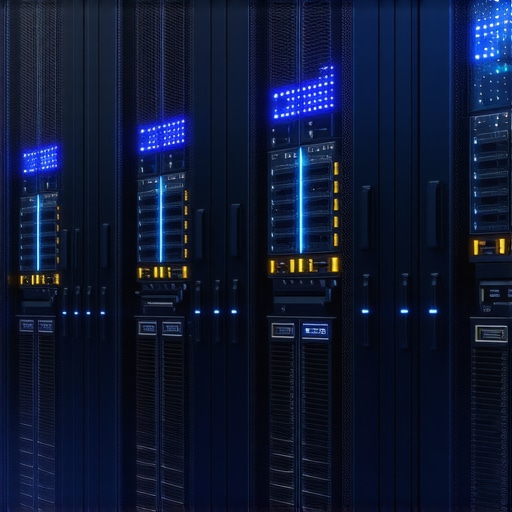
The Role of Firmware and Controller Algorithms in SSD Longevity
Modern SSD controllers are the unsung heroes in maintaining data integrity and prolonging device lifespan. Sophisticated firmware incorporates algorithms for wear leveling, bad block management, and power-loss data protection. Notably, the adoption of Machine Learning techniques enables controllers to anticipate wear patterns, balance workloads, and adapt TCB (Thermal Cycle Balancing) strategies accordingly. Such intelligent control reduces write amplification—a primary factor in SSD degradation—thus extending their operational life. For an in-depth technical analysis, see IEEE’s publication on intelligent firmware for SSD durability.
Can firmware updates alone mitigate SSD wear and tear effectively?
While firmware enhancements are vital, they cannot singularly counteract the fundamental physical limitations of NAND flash memory. A holistic approach that combines hardware-level innovations—like stacked multilayer cells (e.g., TLC, QLC)—with optimized firmware strategies provides the best defense against premature wear. Additionally, employing enterprise-grade SSDs with built-in power-loss protection and high-endurance ratings creates a resilient infrastructure capable of handling the rigorous demands of 2026’s data-intensive workloads. For practical implementation tips, consult the resource best practices for maintaining SSD firmware health.
Synergizing External NVMe Enclosures with Cloud Backup Solutions
External NVMe enclosures have evolved beyond mere portability to become integral components of hybrid storage ecosystems. When paired with cloud backup services, they facilitate seamless workflows that combine on-premises performance with off-site redundancy. Fast interfaces like Thunderbolt 4.0 and USB 4.0 support daisy chaining multiple enclosures, enabling scalable high-speed data centers outside traditional infrastructure. Moreover, integrating intelligent sync algorithms ensures minimal latency and data consistency across platforms. Industry leaders like Synology and QNAP now provide software solutions that automate these complex symbioses, emphasizing real-time monitoring to prevent data loss. For technical insights, see Network World’s coverage on external SSDs and cloud syncing.
Emerging Paradigms: NVMe over Fabrics and Storage Class Memory
Looking beyond current interfaces, NVMe over Fabrics (NoF) promises to revolutionize data center architectures by enabling ultra-low latency, high-throughput access over Ethernet, InfiniBand, or Fibre Channel networks. Combined with Storage Class Memory (SCM)—such as Intel’s Optane technology—these innovations blur the lines between volatile and persistent storage, offering unprecedented speed and reliability for critical applications. For instance, real-time analytics platforms leverage NoF to achieve near-instant data transmission across geographically dispersed sites, facilitating truly global, resilient systems. Industry reports by CRN’s analysis of future storage architectures provide a detailed glimpse into this evolving landscape.
As the technological landscape advances, strategic planning for hardware compatibility, network infrastructure, and data locality becomes crucial. Consider the implications of integrating these cutting-edge components within existing workflows to ensure seamless transitions and sustained performance. If you’re poised to future-proof your storage solutions, keep abreast of these developments by subscribing to specialized industry bulletins and participating in expert forums—your proactive engagement now can significantly influence your operational resilience in the coming years.
}】}#END#}#Conclusion: The continuous evolution of RAID and SSD technologies demands a nuanced understanding and strategic deployment to stay ahead in data management. Engaging with authoritative sources and adopting forward-looking architectures will empower professionals to harness maximum performance and reliability in 2026 and beyond. If you have questions about implementing these innovations in your environment, join the conversation and share your insights—collaborative expertise is the key to mastering tomorrow’s storage challenges.
Unlocking the Synergy Between RAID Architectures and Emerging SSD Paradigms
As data centers and high-performance workstations march toward unprecedented throughput, the strategic integration of adaptive RAID configurations with cutting-edge SSD innovations becomes paramount. Modern RAID systems, now empowered by machine learning algorithms, dynamically optimize redundancy and speed based on real-time workload analytics. This adaptive synergy ensures sustained performance while safeguarding data integrity amidst ever-intensifying demands, especially when coupled with next-gen RAID architectures that leverage software-defined controls.
How Do PCIe 7.0 and Storage Class Memory Reshape Data Infrastructure?
The impending advent of PCIe 7.0-based NVMe SSDs, offering over 48 Gbps transfer rates, will blur the lines between volatile memory and persistent storage. When integrated with Storage Class Memory (SCM) solutions like Intel Optane, these technologies enable ultra-low latency access to data, essential for real-time analytics and large-scale simulations. Expert-driven protocols emphasize that building a cohesive ecosystem around these advancements demands intentional hardware compatibility planning, ensuring that your infrastructure is future-proofed against obsolescence.
What are the crucial considerations for deploying NVMe over Fabrics in a high-demand setting?
Implementing NVMe over Fabrics (NoF) entails addressing network topology, latency management, and protocol compatibility. High-speed Ethernet and InfiniBand networks must support deterministic latency, often necessitating dedicated switches and QoS policies. Moreover, integrating NoF into existing data architectures involves not only hardware investment but also skillful configuration of end-to-end routing, security, and fault tolerance mechanisms. For comprehensive guidance, see the authoritative CRN detailed analysis of future storage fabric architectures.
Enhancing SSD Longevity Through Intelligent Control and Thermal Management
Emerging firmware solutions now utilize artificial intelligence to predict wear patterns and dynamically adjust controller algorithms, significantly extending SSD lifespan. Coupled with innovative cooling methods—such as vapor chamber heatsinks and active thermal throttling—these advancements mitigate thermal stress, a primary contributor to NAND degradation. Proper monitoring tools furnish real-time health metrics, allowing preemptive interventions to prevent data loss and performance drops. Industry research underscores that investing in these intelligent controls sustains enterprise storage investments and reduces total cost of ownership over time.
Why External NVMe Enclosures Are Now a Critical Part of Scalable Storage Strategies
High-throughput external NVMe enclosures have transitioned from niche accessories to essential elements of scalable, flexible storage solutions. By leveraging Thunderbolt 4.0 and USB 4.0 interfaces, these devices facilitate rapid deployment of RAID arrays, backups, and data sharing across professional teams. Their modular nature supports incremental expansion, vital for evolving data workloads, while hardware innovations like multi-lane PCIe support optimize bandwidth utilization. Expertly curated setups include high-quality cables and controlled environments to maximize lifespan and performance, a nuance often overlooked but crucial for operational certainty—see latest external SSD benchmarks for 2026.
Anticipating Storage Evolution with AI-Driven Self-Healing Arrays
Artificial intelligence is now at the forefront of autonomous storage management systems, capable of self-healing and reconfiguration in response to component failures or performance anomalies. These intelligent arrays continuously analyze data patterns, predict potential points of failure, and autonomously initiate corrective actions—often before human intervention becomes necessary. The convergence of AI, PCIe 7.0, and SCM heralds a new epoch where storage systems aren’t just passive repositories but active participants in maintaining optimal performance and resilience, fundamentally transforming enterprise data environments.
Preparing for the Future: Strategic Infrastructure Planning
Adapting to the rapid evolution in storage technologies requires a comprehensive approach—upgrading interface standards, implementing intelligent cooling solutions, and adopting flexible architecture patterns suited for emergent protocols like NVMe over Fabrics. Aligning procurement and deployment strategies with industry forecasts ensures that investments today remain relevant tomorrow. Thought leaders recommend engaging with vendor roadmaps and participating in industry consortia to stay ahead in this fast-paced landscape, thereby securing a competitive edge for data-intensive operations.
Expert Strategies for Next-Level Storage Deployment
Implementing adaptive RAID architectures that dynamically respond to workload fluctuations offers a significant advantage for data professionals aiming for both speed and resilience. Utilizing machine learning-driven control algorithms enables real-time optimization, reducing latency and prolonging device lifespan. Integrating cooling innovations like vapor chambers with high-performance NVMe SSDs further ensures sustained throughput even under intense operation, making your storage environment robust against thermal throttling. These insights underscore the importance of aligning hardware choices with emergent interface standards to stay ahead in data-intensive workflows.
Key Resources to Deepen Your Storage Mastery
- External SSD RAID Solutions: Explore comprehensive guides on configuring external enclosures with RAID for scalable, high-speed data access—see our detailed overview.
- Future of PCIe Protocols: Stay informed with analyses on PCIe 7.0’s role in storage evolution at industry-leading research.
- Firmware Innovations for Longevity: AI-enhanced controller firmware developments that extend SSD lifespan are discussed in IEEE publications.
- Hybrid Data Environments: Integrate cloud backup seamlessly with external NVMe enclosures using expert strategies outlined at this resource.
- Thermal Management Techniques: Advanced cooling solutions to prevent overheating and thermal throttling are detailed on leader platforms.
Refining Your Storage Approach for Excellence
In an era where high-performance storage continues to evolve rapidly, blending expert insights with strategic hardware choices becomes crucial. Leveraging AI-driven controllers, cooling innovations, and flexible RAID implementations ensures that your data environment is not only robust but also adaptable to future protocols like PCIe 7.0 and Storage Class Memory. By engaging with authoritative resources and staying informed on industry shifts, you position yourself at the forefront of storage technology—capable of handling the demanding workloads of 2026 and beyond. For those ready to elevate their infrastructure, exploring detailed guides and participating in professional forums will empower smarter decisions and sustained operational excellence. Keep pushing the boundaries of what your storage solutions can achieve.