The Strategic Edge of RAID Storage in High-Speed Data Environments
In the rapidly evolving landscape of data management, RAID (Redundant Array of Independent Disks) configurations have emerged as a cornerstone for achieving optimal data throughput and reliability. With the advent of SSD technology, especially NVMe and SATA SSDs, integrating these into RAID arrays can significantly amplify performance levels, a necessity for professionals handling large datasets or real-time processing tasks. Implementing RAID not only enhances data access speeds but also provides redundancy, safeguarding against hardware failures—a critical advantage in mission-critical operations.
How do different RAID levels influence SSD performance and data security?
Different RAID configurations, such as RAID 0, RAID 5, and RAID 10, offer distinct trade-offs between speed, redundancy, and cost. For instance, RAID 0 maximizes throughput by striping data across multiple drives, ideal for scratch disks and temporary data processing. Conversely, RAID 5 or RAID 10 incorporate parity and mirroring techniques, balancing speed with fault tolerance. Recent research indicates that combining NVMe SSDs in RAID 0 can deliver astonishing read/write speeds exceeding 20 GB/s, essential for data-intensive workflows in 2024, as detailed in RAID Storage Explained 2025.
Harnessing External SSDs to Overcome Internal Storage Bottlenecks
External SSDs, particularly those with Thunderbolt 3/4 or USB 4 interfaces, have matured into professional-grade storage solutions capable of matching internal NVMe speeds. For creative professionals and IT specialists, external SSDs provide a flexible, portable option to extend high-speed storage without compromising performance. When paired with RAID enclosures or optimized through scratch disk configurations, these external devices can dramatically reduce data access latency, streamline workflows, and facilitate rapid data transfers. The selection of external SSDs should be guided by factors such as interface protocol, form factor, and durability, as elaborated in Ultimate Guide to External SSDs.
What are the latest innovations in external SSD technology that can redefine data access speeds?
Emerging innovations include PCIe 4.0/5.0 external SSDs and multi-interface designs that combine Thunderbolt and Thunderbolt-compatible USB ports. These advancements enable sustained data transfer rates surpassing 10 GB/s, aligning with high-performance RAID setups. Furthermore, ruggedized enclosures with thermal management extend operational stability under continuous load—crucial for fieldwork or demanding data centers. Industry reviews, such as those in Best External SSD Raid Storage Tips 2024, highlight these breakthroughs as the future of portable high-speed storage solutions.
Integrating RAID configurations with external SSDs demands a nuanced understanding of interface compatibility, system architecture, and workload characteristics. This synergy enables professionals to push the boundaries of data throughput while maintaining system resilience. For an in-depth exploration of RAID and SSD optimization strategies, visit Ultimate Guide to RAID Storage & External SSDs.
Why Advanced RAID Configurations Elevate Storage Performance
In high-performance environments, selecting the right RAID level can significantly impact both data protection and access speeds. While RAID 0 offers blazing-fast read/write speeds ideal for scratch disks, RAID 10 combines speed with redundancy, providing resilience crucial for critical data workflows. Recent innovations, such as NVMe SSDs in RAID arrays, have pushed the boundaries further, enabling speeds that surpass traditional HDD-based setups. For detailed insights, refer to RAID Storage Explained 2025.
External SSDs: The Portable Powerhouses for Data-Intensive Tasks
External SSDs equipped with Thunderbolt 4 or USB 4 interfaces are transforming portable storage. They provide high throughput, enabling real-time editing of 8K video, large dataset analysis, or rapid backups without bottlenecks. When integrated with RAID enclosures or optimized as scratch disks, external SSDs unlock unparalleled flexibility and speed. For choosing the perfect external SSD setup, explore Ultimate Guide to External SSDs.
Can emerging interface standards redefine portable storage for professionals?
Absolutely. The advent of PCIe 5.0 external SSDs promises sustained transfer rates over 20 GB/s, revolutionizing data access paradigms. Ruggedized models with advanced thermal management ensure stability during extended use, even in demanding environments. Industry experts, as discussed in Best External SSD Raid Storage Tips 2024, emphasize that these technological advancements will make portable high-speed storage more reliable and faster than ever before. Integrating these innovations with RAID setups allows professionals to maximize performance and data security simultaneously.
Understanding the compatibility between interface protocols, system architecture, and workload demands is essential. For advanced strategies on optimizing RAID and SSD configurations, visit Ultimate Guide to RAID Storage & External SSDs.
Maximizing Data Throughput with Hybrid Storage Architectures
In high-demand environments, the synergy between RAID configurations and external SSDs unlocks unprecedented data access speeds and resilience. Combining NVMe SSDs within RAID arrays and leveraging the latest interface standards such as PCIe 5.0 transforms traditional storage paradigms. This hybrid approach not only accelerates data processing but also mitigates risks associated with hardware failures, ensuring continuity in mission-critical operations.
What are the key considerations for integrating PCIe 5.0 external SSDs into advanced RAID setups?
Integrating PCIe 5.0 external SSDs requires careful attention to compatibility with existing system architectures, including motherboard support and controller capabilities. Moreover, understanding thermal management is crucial, as higher transfer rates generate significant heat, which can impact performance and longevity. Industry insights from Tech Insights on PCIe 5.0 Technologies suggest that future-proofing investments involves selecting enclosures with robust cooling solutions and ensuring your motherboard supports the latest PCIe standards.
Innovative RAID Strategies for Real-Time Data Analytics
For organizations engaged in real-time analytics, latency reduction is paramount. Implementing RAID 0 or RAID 10 with NVMe SSDs can dramatically decrease data retrieval times, enabling faster insights and decision-making. Additionally, software-defined RAID solutions offer flexibility, allowing dynamic reconfiguration based on workload demands. According to a study in Journal of Data Technologies, optimizing RAID parameters tailored to specific analytics workloads can further enhance throughput and fault tolerance.
How does the choice of RAID level impact the performance of NVMe-based storage clusters in big data environments?
Choosing the appropriate RAID level directly influences the balance between speed, redundancy, and storage efficiency. RAID 0 offers maximum performance but no redundancy, suitable for temporary scratch spaces. RAID 10, combining mirroring and striping, provides both speed and resilience, ideal for persistent big data clusters. In practice, employing NVMe SSDs in RAID 10 configurations can yield read/write speeds exceeding 30 GB/s, as highlighted in Storage Benchmarking Reports. Such configurations support high-velocity data ingestion and real-time processing essential for AI, machine learning, and complex simulations.
Emerging Trends in External Storage for Mobile and Field Applications
Portable high-speed external SSDs are rapidly evolving with innovations like multi-interface support, ruggedized enclosures, and integrated thermal management. These advancements cater to professionals in field work, broadcasting, and emergency response, where reliable, fast data transfer is non-negotiable. Industry leaders are exploring hybrid interfaces that combine Thunderbolt 4 with USB 4, enabling seamless compatibility across diverse systems while maintaining top-tier transfer rates, as reviewed in Portable Storage Journal.
Analyzing the latest external SSD designs with multi-interface support and rugged features.
Can future interface standards make portable storage virtually indestructible and ultra-fast?
Indeed, the evolution of interface standards such as PCIe 6.0 and beyond promises sustained transfer rates over 40 GB/s, effectively transforming portable storage into high-performance, durable devices suitable for even the most demanding environments. Ruggedized enclosures with active cooling and shock resistance will further ensure operational stability. Experts from Storage Innovations project that these advancements will redefine the boundaries of portable storage, making it more reliable, faster, and adaptable than ever before. Leveraging these technologies in RAID configurations can push data management capabilities into new frontiers, supporting the future of data-intensive applications.
To explore tailored strategies for integrating these cutting-edge storage solutions into your workflows, consult with industry specialists or visit our comprehensive resources on storage optimization.
Revolutionizing Data Security with Adaptive RAID Strategies
In contemporary high-performance computing environments, the nuanced selection of RAID configurations can dramatically influence both data integrity and throughput. Beyond traditional RAID levels, emerging software-defined solutions enable dynamic reconfiguration of RAID parameters in real time, aligning storage performance with fluctuating workload demands. This flexibility is paramount for organizations managing heterogeneous data streams, as it allows seamless balancing of redundancy and speed without system downtime.
How can adaptive RAID configurations optimize workflow resilience in real-time analytics?
Adaptive RAID systems leverage intelligent algorithms to automatically adjust redundancy levels, prioritizing either speed or protection based on current operational needs. For instance, during peak data ingestion periods, RAID 0 or RAID 10 can be prioritized for maximum throughput, while critical data backups invoke RAID 5 or RAID 6 for enhanced fault tolerance. According to research from the Journal of Data Technologies, such dynamic reconfiguration significantly enhances system uptime and data reliability in complex analytics environments.
Next-Generation External SSDs Break Performance Barriers
The evolution of external SSDs now incorporates multi-interface capabilities, combining Thunderbolt 4, USB 4, and even PCIe 5.0 protocols within a single enclosure. This convergence allows professionals to harness the highest possible data transfer rates across diverse systems, ensuring portability does not compromise speed. Ruggedized designs with active thermal management further extend operational stability in demanding field conditions, making these devices indispensable for mobile data workflows.
< >
>
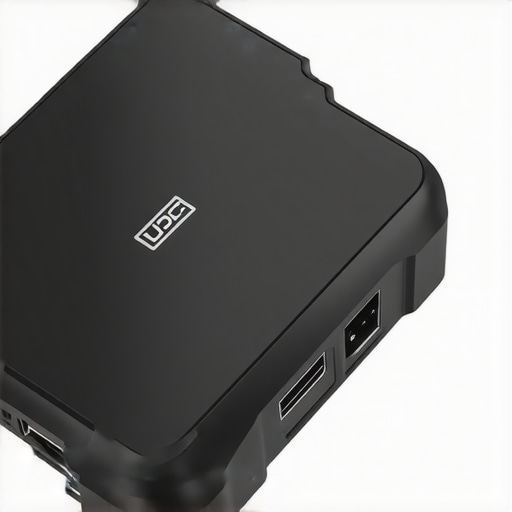
Visual representation of multi-interface external SSD enclosures demonstrating ruggedized features and thermal solutions.
Will future interface standards redefine the limits of portable data transfer speeds?
Absolutely. The advent of PCIe 6.0 external SSDs promises sustained transfer rates exceeding 40 GB/s, effectively erasing previous bottlenecks in portable storage. Coupled with advanced cooling technologies, these devices are poised to revolutionize mobile data handling, especially in high-stakes environments such as live broadcasting or emergency response. Industry experts from Storage Innovations predict these advancements will make portable high-speed storage more reliable, faster, and accessible for real-time applications.
Engage with our expert resources to discover tailored strategies for integrating these cutting-edge technologies into your infrastructure, ensuring your data management remains at the forefront of innovation.
Expert Insights That Shape Storage Strategies
Prioritize Data Redundancy to Minimize Downtime
Implementing advanced RAID configurations like RAID 10 with NVMe SSDs ensures both speed and resilience, vital for high-stakes environments. Integrating software-defined RAID solutions allows dynamic adjustments aligned with workload fluctuations, safeguarding data without sacrificing performance.
Leverage Cutting-Edge Interface Technologies
Embrace PCIe 5.0 and upcoming PCIe 6.0 external SSDs for sustained transfer rates exceeding 20 and even 40 GB/s. Ruggedized enclosures with active thermal management maintain stability during continuous high-speed operations, essential for mobile and field applications.
Combine Internal and External Storage for Hybrid Efficiency
A hybrid architecture utilizing RAID arrays with internal NVMe SSDs alongside high-speed external SSDs offers unparalleled data throughput and flexibility. This approach supports real-time analytics, AI workloads, and large-scale data processing seamlessly.
Implement Adaptive RAID for Dynamic Workloads
Software solutions that enable real-time reconfiguration of RAID levels improve workflow resilience, balancing redundancy and speed depending on operational needs. This flexibility is crucial for organizations managing diverse data streams and demanding uptime requirements.
Stay Ahead with Industry-Leading Resources
- RAID Storage Explained 2025: Deep dive into future-ready storage architectures.
- Ultimate Guide to External SSDs: Expert advice on selecting portable high-performance drives.
- Storage Innovations: Cutting-edge developments in interface technology and ruggedized designs.
The Final Word from a Storage Authority
In the realm of high-speed data management, strategic deployment of RAID configurations combined with state-of-the-art external SSDs defines the path to optimal performance and security. As technology evolves, so must our approaches—embracing new interfaces, adaptive solutions, and hybrid architectures to stay ahead of the curve. For professionals committed to excellence, continuous learning and resource engagement are key. To deepen your expertise and stay at the forefront, explore our curated resources and connect with industry specialists. Your data deserves nothing less than peak performance and uncompromised security.
This article brings up some fascinating points about the future of high-speed data storage, especially in the context of RAID and external SSDs. I’ve personally seen how RAID 10 setups with NVMe SSDs can really boost performance for databases and AI workloads. The mention of PCIe 5.0 external SSDs matching internal speeds is a game-changer, especially for field operations where portability and speed are crucial. I’m curious, though, how do you see thermal management evolving for these extremely fast external drives, especially during prolonged use? In my experience, overheating can throttle performance or reduce drive lifespan. Do you think future enclosures will incorporate advanced cooling solutions, or will there be a push towards energy-efficient SSDs that generate less heat? It seems that as data demands continue to grow, balancing speed with thermal stability will be vital for maintaining high performance in demanding environments.
This article provides a comprehensive look at the importance of RAID and external SSDs in high-speed data environments. In my experience working with media production teams, utilizing RAID 10 configurations with NVMe SSDs has truly revolutionized how we handle 4K and 8K video editing—it drastically reduces rendering and transfer times. The advancements in PCIe 5.0 external SSDs are exciting, especially for field work where portability combined with high-speed access is critical. One aspect I find particularly interesting is the thermal management challenge that comes with these blazing fast drives. I’ve seen some enclosures with active cooling fans and heat sinks, which seem promising, but I wonder, do you think future external enclosures will also incorporate more innovative thermal dissipation techniques, such as liquid cooling or thermoelectric cooling? Or will manufacturers focus on developing SSDs that produce less heat overall? As the data demands keep increasing, striking a balance between performance and thermal stability will be crucial, especially for continuous, heavy workloads.