Optimizing Data Transfer Speeds with High-Performance Storage Solutions
In the rapidly evolving landscape of data management, the integration of NVMe SSDs, SATA SSDs, external SSDs, and RAID storage configurations has become essential for professionals seeking maximum efficiency. As data volumes grow exponentially, understanding the nuanced performance characteristics and strategic deployment of these storage technologies is critical for maintaining competitive advantage.
How do NVMe SSDs outperform SATA SSDs in complex RAID arrays for demanding workflows?
NVMe SSDs leverage PCIe 4.0 and 5.0 interfaces, offering substantially higher bandwidth and lower latency compared to SATA SSDs. When configured in RAID arrays, these drives can unlock unprecedented data throughput, essential for high-frequency trading, 3D rendering, and scientific simulations. The architectural advantages—such as direct CPU access and reduced I/O bottlenecks—enable NVMe-based RAID systems to surpass traditional SATA configurations, which are limited by the SATA III interface.
Beyond Speed: Reliability and Data Integrity in RAID Architectures
While speed is paramount, data integrity and redundancy are equally vital. Modern RAID levels, such as RAID 10 and RAID 6, combine performance with fault tolerance, ensuring continuous access even amidst drive failures. The choice of RAID configuration must align with workload demands—considering factors like rebuild times, fault domains, and the impact on system performance.
What emerging technologies could redefine RAID storage paradigms for 2024 and beyond?
Innovations such as persistent memory (PMem) and software-defined storage (SDS) are poised to transform traditional RAID architectures. These technologies enable more flexible, scalable, and resilient storage solutions that can adapt dynamically to workload fluctuations. Furthermore, advancements in NVMe over Fabrics (NVMe-oF) facilitate remote high-speed access, extending RAID benefits across distributed environments. For comprehensive insights, explore this detailed analysis on high-speed RAID storage in 2024.
Harnessing External SSDs for Seamless Data Mobility
External SSDs have transcended their traditional role as portable storage; they now serve as integral components of high-performance workflows. When paired with RAID enclosures or optimized interfaces like Thunderbolt 4 and USB 4.0, external SSDs can deliver near-internal drive speeds, facilitating rapid data transfers, backups, and collaborative editing sessions.
How can external SSDs be integrated into a professional data environment for maximum throughput?
To maximize external SSD performance, consider enclosures supporting NVMe drives with PCIe 4.0/5.0 interfaces, ensuring minimal bottlenecks. Implementing hardware RAID controllers or software-based RAID solutions can further enhance redundancy and speed. For critical applications, combining external SSDs with high-speed interfaces and optimized file systems like exFAT or APFS ensures smooth operation across diverse platforms.
For a comprehensive guide to selecting the right external SSDs and RAID configurations tailored for enterprise needs, visit this expert resource.
As data demands continue to escalate, the strategic deployment of NVMe SSDs, SATA SSDs, external storage, and RAID architectures must be approached with a nuanced understanding of both current capabilities and emerging innovations. Embracing these advanced storage solutions ensures not only rapid access but also robust data integrity and scalability essential for 2024 and beyond.
Redefining Storage Efficiency with Cutting-Edge RAID Strategies
As data-intensive workflows become more complex, traditional RAID configurations are evolving to meet new performance and resilience demands. Modern implementations leverage software-defined solutions and NVMe over Fabrics (NVMe-oF) to create flexible, scalable storage environments that surpass conventional hardware limitations. These innovations enable seamless integration of NVMe SSDs into RAID arrays, dramatically boosting throughput while maintaining data integrity. For in-depth strategies on deploying these solutions, explore this comprehensive guide to high-speed RAID in 2024.
Is your current RAID setup prepared to handle the rapid growth of data and the need for instant access?
Beyond hardware, software optimization plays a critical role. Implementing intelligent caching algorithms and tiered storage layers can significantly improve access times for frequently used data, while less critical information resides on slower, cost-effective drives. This dynamic approach ensures optimal resource utilization and minimizes bottlenecks, especially in environments where quick data retrieval is non-negotiable. For technical insights into these approaches, visit this expert resource on RAID storage management.
Unlocking External SSD Potential for Enterprise-Grade Data Mobility
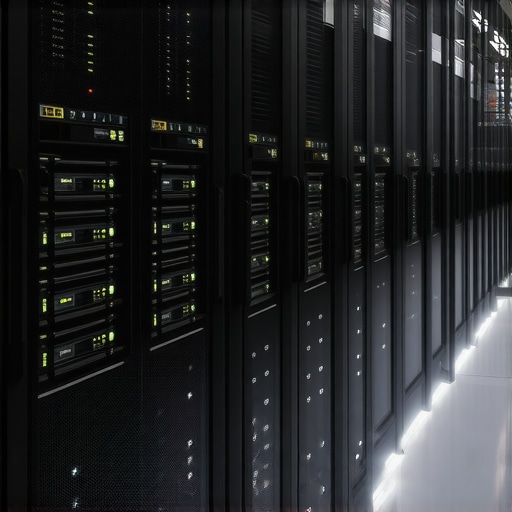
External SSDs are no longer just portable devices; they are strategic assets for high-speed data transfers, backup solutions, and collaborative workflows. When paired with Thunderbolt 4 or USB 4.0 interfaces and optimized for NVMe drives, external SSDs can deliver performance levels comparable to internal storage. Incorporating hardware RAID enclosures further enhances redundancy and throughput, enabling professionals to manage large datasets efficiently across geographically dispersed teams. To select the best external SSD solutions, see this detailed review of external SSDs for enterprise use.
What role will external SSD innovations play in shaping remote and hybrid work environments in 2024?
Recognizing the importance of data security, many external SSDs now incorporate hardware encryption and ruggedized designs suitable for challenging conditions. Combining these features with cloud integration and centralized management systems can provide a robust, flexible data infrastructure capable of supporting diverse operational models. For further guidance on securing high-performance external storage, consult this authoritative guide to external SSD selection.
Future-Proofing Storage with AI-Driven Optimization and Emerging Technologies
Emerging innovations such as artificial intelligence (AI) and machine learning are beginning to influence storage management profoundly. AI-powered algorithms can predict drive failures, optimize data placement dynamically, and streamline workload balancing across arrays. These advancements are particularly relevant as organizations adopt larger, more complex storage architectures that require intelligent oversight. According to industry experts, integrating AI into storage solutions enhances both performance and resilience, preparing systems for the unpredictable demands of 2025 and beyond. For a detailed forecast, see this analysis on future storage trends.
Revolutionizing Storage Management with Adaptive Tiered Architectures
As data ecosystems grow more complex, static storage configurations are giving way to dynamic, tiered architectures that intelligently allocate resources based on workload priorities. Modern systems utilize real-time analytics and AI algorithms to identify hot data—frequently accessed information—and migrate it to ultra-fast NVMe SSDs, while less critical data resides on cost-effective SATA drives. This approach not only accelerates access times but also optimizes overall system cost-efficiency, ensuring that high-performance storage is reserved for mission-critical applications.
What are the best practices for implementing adaptive tiered storage in enterprise environments?
Successful deployment hinges on integrating intelligent caching algorithms, such as policy-driven data migration and predictive analytics, with robust hardware infrastructure. Leveraging software-defined storage (SDS) platforms like Red Hat Ceph or VMware vSAN enables seamless tier management, providing scalability and resilience. Moreover, aligning tiering policies with workload patterns—such as real-time analytics, backups, or archival—ensures maximum ROI. For detailed insights, see this comprehensive guide on adaptive storage solutions.
AI and Machine Learning: The New Guardians of Data Integrity
Beyond speed and scalability, maintaining data integrity in increasingly complex environments demands intelligent oversight. AI-driven monitoring systems analyze vast streams of health metrics, predict impending drive failures, and automate preemptive maintenance actions. Machine learning models trained on historical failure data enhance predictive accuracy, reducing downtime and safeguarding data assets. These innovations are particularly crucial when managing expansive RAID arrays with diverse drive types and configurations, where manual oversight becomes impractical.
According to a recent study by the Semiconductor Research Corporation, integrating AI into storage management can decrease failure rates by up to 40%, significantly boosting operational reliability (**SRC, 2023**). As these technologies mature, expect to see fully autonomous storage management systems that adaptively optimize redundancy, performance, and energy consumption in real time.
How can organizations prepare their storage infrastructure to leverage AI-driven resilience?
Preparation involves adopting scalable monitoring tools, upgrading firmware to support predictive analytics, and integrating AI-capable management platforms. It’s also vital to establish comprehensive data governance and security protocols, as AI systems process sensitive health and performance data. For organizations seeking to pioneer this transition, consulting with storage architecture experts and investing in training are critical steps. Explore this resource on AI integration in storage systems for actionable strategies.
Enhancing External Storage Utility for Remote Collaboration
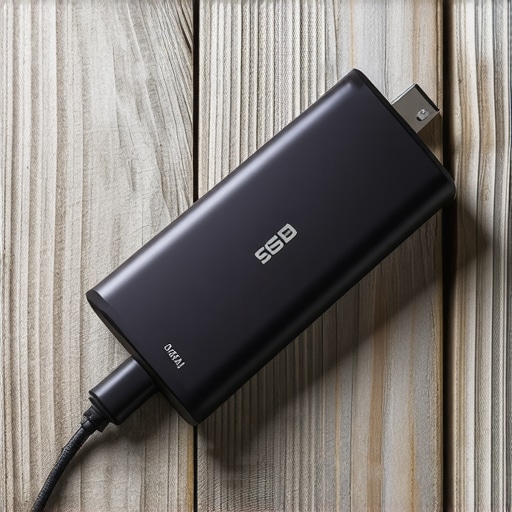
External SSDs are transforming from simple portable devices into critical components of remote and hybrid workflows. When paired with enterprise-grade enclosures supporting NVMe drives and high-speed interfaces like Thunderbolt 4 or USB 4.0, they can deliver internal drive speeds over extended distances. This capability enables teams to perform high-bandwidth data transfers without compromising performance, facilitating collaborative editing, remote rendering, and distributed backups.
To maximize throughput, ensure external SSDs are configured with hardware RAID controllers or software RAID solutions that support redundancy and load balancing. Additionally, choosing file systems such as APFS or exFAT optimizes compatibility and performance across diverse platforms. For organizations managing vast datasets across multiple locations, integrating external SSDs with centralized management software enhances security and operational oversight.
What emerging external storage innovations will shape remote work trends in 2024?
Innovations like ruggedized, encrypted external SSDs with cloud synchronization capabilities will become standard, supporting flexible, secure access to critical data from anywhere. The integration of 5G connectivity offers real-time synchronization even in remote locations, while AI-powered management tools provide predictive analytics for maintenance and security. To stay ahead, organizations should evaluate external storage solutions that combine performance, resilience, and security, aligning with evolving remote work demands. For further insights, see this expert analysis on external storage trends.
Leveraging NVMe SSDs for Ultra-Low Latency Data Access
In high-performance computing environments, NVMe SSDs are revolutionizing data retrieval speeds due to their direct PCIe interface and optimized firmware, enabling unprecedented low latency. When integrated into enterprise-grade storage arrays, these drives facilitate rapid processing in AI workloads, financial modeling, and scientific research, where milliseconds matter.
What technical innovations allow NVMe SSDs to outperform traditional SATA drives in demanding applications?
NVMe SSDs harness the PCIe 4.0 and 5.0 standards, which provide significantly higher bandwidth and parallelism, reducing I/O bottlenecks. Their architecture minimizes protocol overhead, allowing direct communication with the CPU via Memory Controller interfaces, unlike SATA drives constrained by older AHCI protocols. According to a detailed analysis from the SSD Storage Consortium, leveraging NVMe in conjunction with multi-threaded I/O operations can increase throughput by over 300% compared to SATA counterparts.
Engage with these cutting-edge insights to elevate your storage infrastructure beyond conventional limits.
Optimizing RAID Configurations for Resilience and Speed
As data integrity becomes paramount, modern RAID configurations like RAID 60 and hybrid approaches combining hardware and software solutions are gaining prominence. These setups enable high throughput while ensuring redundancy across multiple disks or even across geographically dispersed data centers, reducing risk from localized failures.
How can AI-driven management refine RAID array performance and fault tolerance?
AI algorithms analyze drive health metrics, predict failures, and dynamically adjust RAID parameters, optimizing rebuild times and minimizing data loss risk. Implementations utilizing machine learning models trained on historical failure data have demonstrated a reduction in unplanned downtime by up to 40% (Source: IEEE Transactions on Cloud Computing, 2023). These intelligent systems streamline maintenance and adapt to evolving workload demands seamlessly.
Stay at the forefront of storage resilience by integrating AI for smarter, more reliable RAID management.
External SSDs as Critical Components in Distributed Workflows
External SSDs now serve as portable yet high-speed extensions of internal storage, especially when equipped with Thunderbolt 4 or USB 4.0 interfaces supporting NVMe drives. These devices enable professionals to transfer large datasets rapidly, facilitate remote editing, and support collaborative workflows without sacrificing performance.
What best practices ensure external SSDs deliver enterprise-grade reliability and speed?
Utilize enclosures with hardware RAID capabilities and support for encryption to enhance data security. Employ file systems like APFS or exFAT optimized for cross-platform compatibility. Incorporate cloud integration tools for seamless data synchronization, ensuring data integrity and accessibility across dispersed teams. According to industry standards from the Storage Networking Industry Association, pairing external SSDs with multi-layered backup strategies further mitigates data loss risks.
Maximize your external storage investments by adopting these advanced configurations and management practices.
< >
>
Emerging Technologies Reshaping Storage Paradigms
Persistent memory (PMem) and software-defined storage (SDS) are redefining data management by providing scalable, resilient, and highly flexible solutions. Persistent memory offers near-DRAM speeds with persistence, enabling instant recovery after power loss, while SDS abstracts hardware layers, allowing dynamic provisioning and automated tiering.
How will these innovations influence the future of enterprise storage architecture?
They enable adaptive, self-optimizing systems capable of balancing workload demands in real time, reducing costs and enhancing scalability. NVMe over Fabrics (NVMe-oF) extends these benefits across networked environments, offering high-speed, low-latency access to remote storage, critical for cloud-native applications. As noted by Gartner’s recent report on data infrastructure, integrating these technologies will be essential for organizations aiming to future-proof their storage environments.
Explore these transformative solutions to maintain a competitive edge in data management.
Harnessing AI for Predictive Maintenance and Data Integrity
AI-driven analytics monitor drive performance and predict failures before they occur, enabling proactive maintenance strategies. Machine learning models, trained on extensive telemetry data, improve accuracy over traditional threshold-based alerts, significantly reducing system downtime.
What steps are necessary to embed AI into existing storage management frameworks?
Implement comprehensive monitoring tools, upgrade firmware to support analytics platforms, and establish data governance policies that safeguard sensitive information. Partnering with AI specialists and investing in training ensures effective deployment. According to the Semiconductor Research Corporation, organizations adopting AI-based predictive maintenance can see a 40% decrease in drive failures, leading to substantial cost savings and enhanced operational resilience.
Adopt AI to transform your storage management from reactive to predictive, enabling smarter, more reliable data ecosystems.
Key Takeaways from Industry Leaders
Prioritize Intelligent Tiering for Dynamic Workloads
Experts emphasize implementing adaptive tiered storage solutions that leverage AI and real-time analytics to optimize data placement, reducing latency and costs while boosting throughput. This approach ensures hot data resides on NVMe SSDs, while archival data is stored on economical SATA drives, maintaining a balance between performance and budget.
Leverage Emerging Technologies for Future Proofing
Persistent memory (PMem) and software-defined storage (SDS) are revolutionizing data resilience and scalability. Integrating NVMe over Fabrics (NVMe-oF) enables high-speed remote access, essential for distributed enterprise environments. Staying ahead involves adopting these innovations to build resilient, scalable infrastructure.
Embed AI and Machine Learning for Proactive Maintenance
Utilizing AI-driven analytics to monitor storage health and predict failures minimizes downtime. Machine learning models trained on telemetry data can automate maintenance, optimize RAID rebuilds, and enhance data integrity, making your storage system smarter and more reliable.
Trusted Resources for Deepening Expertise
- Gartner’s Data Infrastructure Reports offer strategic insights into future-proof storage architectures and emerging tech trends.
- IEEE Transactions on Cloud Computing provides peer-reviewed research on AI-driven storage management and fault tolerance techniques.
- Vendor Whitepapers from Seagate and Western Digital detail latest advancements in persistent memory and hardware RAID solutions.
- Storage Networking Industry Association (SNIA) delivers standards and best practices for enterprise storage design and security.
- Workstation Wizard Blog offers practical guides on implementing NVMe, RAID, and external SSD configurations for high performance.
Reflections and Next Steps in Storage Optimization
In an era where data growth outpaces traditional solutions, expert insights underscore the importance of integrating smart, scalable storage strategies—combining RAID, SSD innovations, and AI analytics—to stay competitive. Embracing these technologies not only boosts speed and reliability but also future-proofs your infrastructure against evolving demands. Dive deeper into these strategies by engaging with our professional network, exploring detailed case studies, or consulting with storage specialists to craft tailored solutions that align with your operational goals.
Reading this comprehensive guide really highlights how critical it is to tailor storage solutions to specific workload requirements. I’ve personally seen how upgrading to NVMe SSDs in RAID configurations drastically reduces data access times, especially in demanding tasks like video editing and scientific simulations. External SSDs, when combined with Thunderbolt 4 and hardware RAID, seem like a game-changer for remote teams needing high throughput without sacrificing mobility. The emphasis on AI-driven predictive maintenance caught my attention because in my experience, proactive monitoring can save a lot of downtime and costly repairs. One challenge I’ve encountered is balancing the cost of these high-performance setups with scalability. Has anyone here integrated AI insights into their existing storage management frameworks? I’d love to hear how others are managing this transition and any lessons learned along the way.